Formnext 2026 Highlights Additive Manufacturing Growing Impact on Energy Sector
The energy and oil & gas sectors are undergoing transformation and additive manufacturing has a big role to play in this shift.

16 Oct, 2026. 4 minutes read
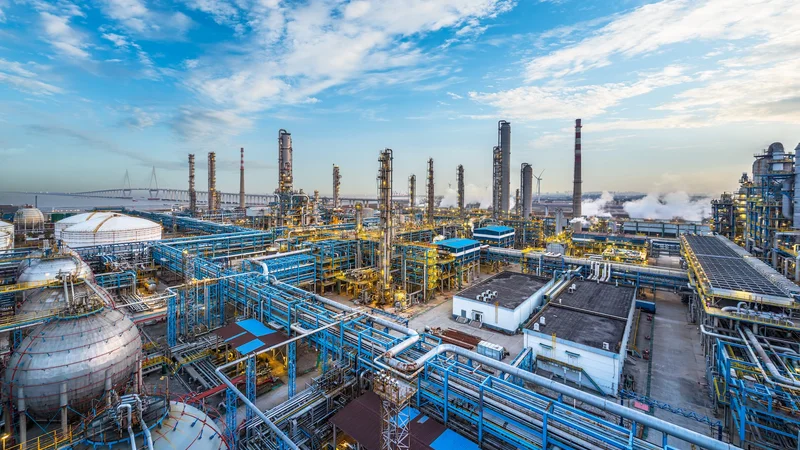
The energy sector is at a critical point, where providers are at once facing concerns related to climate change, resource supply, and geopolitical insecurities while also having to meet growing demand for energy around the globe. All these intersecting factors have been challenging to balance but have been top of mind within the energy segment. As McKinsey & Company stated in its 2025 Global Energy Perspective report, “Energy affordability, reliability (including energy security at the national or regional level), and emission reduction continue to form a trio of priorities that drive energy decision-making.”[1]
The challenge remains clear: how can energy suppliers make energy generation more efficient and sustainable—in line with climate and emissions goals—while keeping operations economically competitive? In recent years, additive manufacturing has presented itself as a potential solution to this hurdle. That is, the technology can enable greater sustainability (even within non-renewable energy sectors), boost supply chain resilience, and support an economic shift towards greater energy resource efficiency.
At Formnext 2026, the leading global additive manufacturing trade show, AM’s growing role in the energy and oil & gas sectors will be spotlighted, with various real-world use cases on display, exhibitors presenting energy AM solutions from across the value chain, and discussions on the latest trends and innovations in the field.
Why Energy is Embracing AM
Organizations across the energy sector are realizing the benefits of additive manufacturing and are increasingly turning to the technology to solve issues related to supply chains, productivity, and overall efficiency. At present, there are specific areas where AM is having the biggest impact; they include:
On-demand manufacturing of spare parts, including obsolete or hard-to-source components that keep energy generation systems up and running and minimize system downtimes.
Repairing worn or damaged structures using large-scale metal deposition processes to extend the lifetimes of legacy systems and minimize system downtimes.
Designing and producing higher-performing, more efficient, and more lightweight systems like heat exchangers, turbines, energy storage devices, fuel cells, and more.
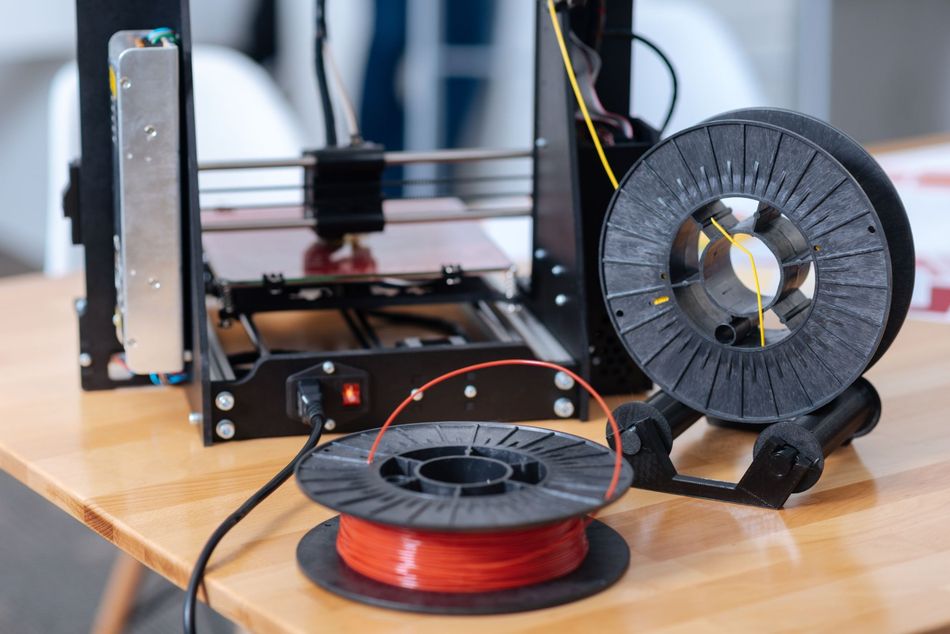
Across these three applications, AM is unlocking greater sustainability for energy-related manufacturing by minimizing material waste, enabling distributed manufacturing, and reducing transport emissions. Moreover, the digital, on-demand nature of additive solutions reduces the reliance on large-scale inventories, enabling energy companies to start swapping physical warehouses for digital inventories.
Overall, the ability to produce spare parts on demand can mitigate the serious revenue hits and power supply issues caused by downtimes to oil rigs and power plants. This is particularly true in sectors like oil and gas, which typically operate in remote areas and are subject to many supply chain delays.
AM in Energy Use Cases
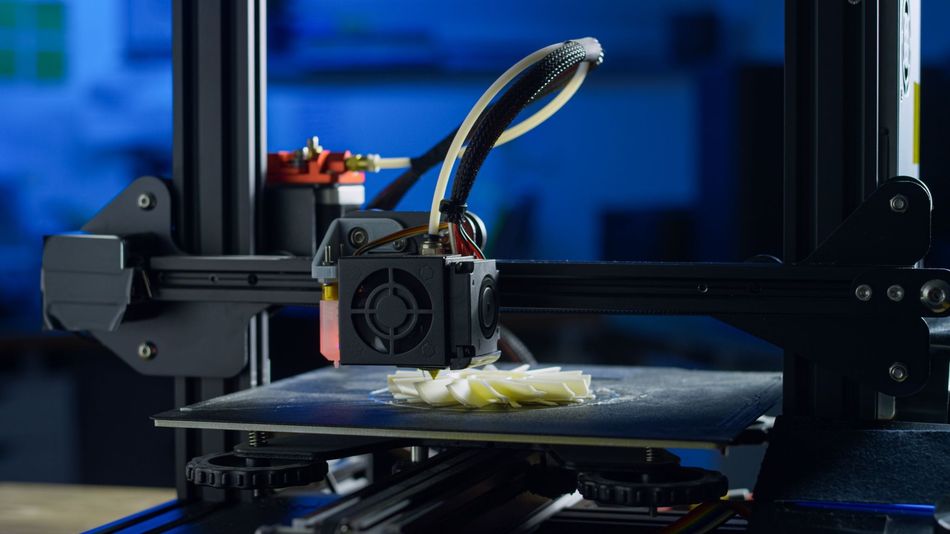
The AM industry is seeing a steady adoption increase from the energy sector and a push for more application development and qualification. In a new whitepaper published by Formnext, “Additive Manufacturing in the Energy, Oil and Gas Industries: How 3D Printing Improves Energy Supply”, a number of relevant use cases are highlighted.
The first is from Norwegian oil & gas company Vår Energi, which uses AM for spare parts production and repairs through its suppliers. With a focus on LPBF, WAAM, DED, and FDM, Vår Energi sees huge potential for AM to reduce costs and lead times for spare parts. Not only that, but the company has also worked with its suppliers to develop new components, like a 3D-printed add-on valve that streamlines operations and fits seamlessly into existing infrastructure.
Equinor, a Norway-based multinational energy company, is also among those readily adopting AM. In fact, the company first adopted AM in 2016 and has used the technology for on-site repairs and spare parts production. For example, Equinor replaced an obsolete cooling fan for an electrical motor at its Tjeldbergodden industrial facility with a 3D-printed component. By replacing the part rather than replacing the entire motor and by sourcing it from a local manufacturer, Equinor brought its CO2 emissions down from 4.4 tons to 3.8 kg.[2]
Notably, Vår Energi, Equinor, and other oil & gas firms are part of a cross-industry effort to accelerate the development of a vast digital inventory of qualified components for energy systems. This digital inventory is managed by Fieldnode, a digital marketplace for industrial spare parts.
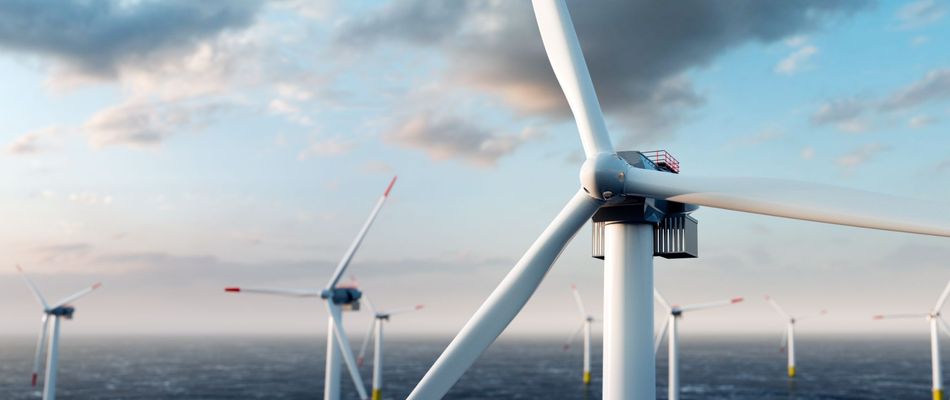
In the wind energy sector, Danish turbine manufacturer Vestas is also embracing AM. To date, the company has built its own digital inventory comprising over 5,600 designs for tooling and spare parts. Not only does the company leverage AM to produce tooling and spare parts on-demand, but it also uses the technology to develop more optimized products, like turbines with optimized power curves and lighter-weight structures.
The last case study is from Austria’s main public infrastructure and service provider Wiener Stadtwerke Group, which is leading the adoption of AM for spare parts through Wiener Netze, its central competence center for 3D printing. 3D printing ensures that the company can access “orphaned” components that are critical to the country’s power infrastructure, resulting in cost savings, fewer plant downtimes, and extending the life of legacy systems.
Formnext 2026 Industry Highlights
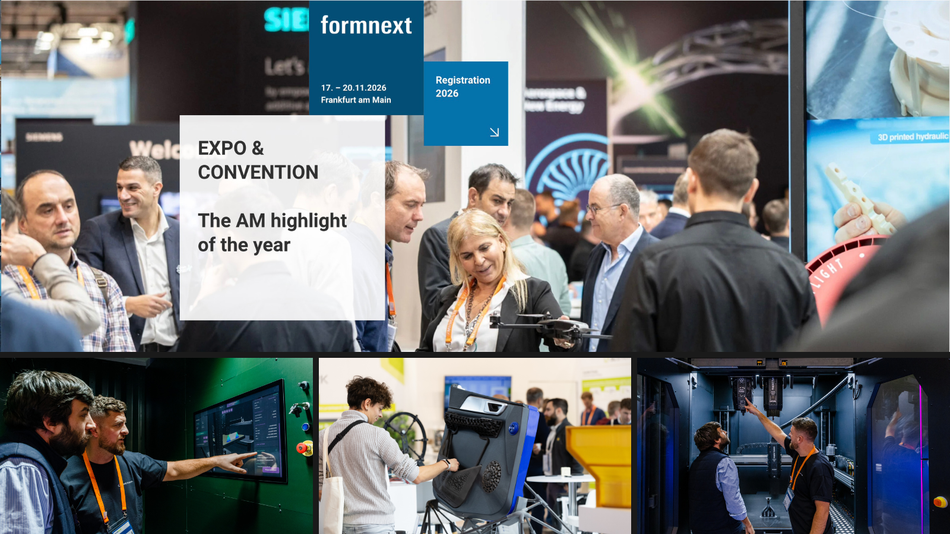
From November 17 to 20, Formnext 2026 will be highlighting the growing relevance of AM in the energy sector. There, various AM technology companies that work with energy providers will be exhibiting their solutions and highlighting use cases from the field. In addition, the topic will be addressed in the stage program through presentations and discussions on current industry developments and applications.
Full program and tickets can be found here.
Outside of the event itself, Formnext organizers have put together resources focused on additive manufacturing in energy, oil & gas. These include the aforementioned whitepaper and Formnext Technology Talk, a web special in which industry experts discuss AM’s impact in energy, the state of the segment, and developments on the horizon. Those seeking to go deeper still can also find more use cases and insights on Formnext’s Industry Insights page.
References
- Global Energy Perspective 2025 [Internet]. McKinsey & Company, October 13, 2025. https://www.mckinsey.com/industries/energy-and-materials/our-insights/global-energy-perspective
- 3D printing – from science fiction to industrial reality [Internet]. Equinor, May 16, 2023. https://www.equinor.com/magazine/3d-printing