Redefining Robotics: Inside the Next Era of Humanoid Design with Murata Technologies
Explore how Murata technologies enable the next era of humanoid robotics with precision sensing, robust connectivity, compact power management, and safety-ready components.

09 Mar, 2026. 6 minutes read
Introduction
Humanoid robots have quickly transitioned from an intriguing research puzzle to an engineering reality, occupying roles in automation, manufacturing, healthcare, and service industries. As robots increasingly mirror human motion and intelligence, possibilities for bipedal, human-cooperative machines are expanding through breakthroughs in AI and mechanical design, as well as foundational electronics, sensing, and communications.
Among the component innovators enabling this transformation is Murata Manufacturing, a Japan-based technology leader. The company’s focus on research and development, miniaturization, reliability, and materials science has underpinned many of today’s robotics breakthroughs. This article explores the engineering challenges defining humanoid robotics and shows how Murata’s technologies are advancing the field from prototypes to real-world deployment.
Core Engineering Challenges in Humanoid Robotics
Engineers in the field of humanoid robotics face formidable and interconnected technical challenges. The following are among the most critical hurdles in the practical design and manufacture of humanoid robotics. These challenges illustrate the need for components that combine intelligence, resilience, and efficiency, which are the foundations of Murata’s engineering philosophy.
Dynamic Balance and Motion
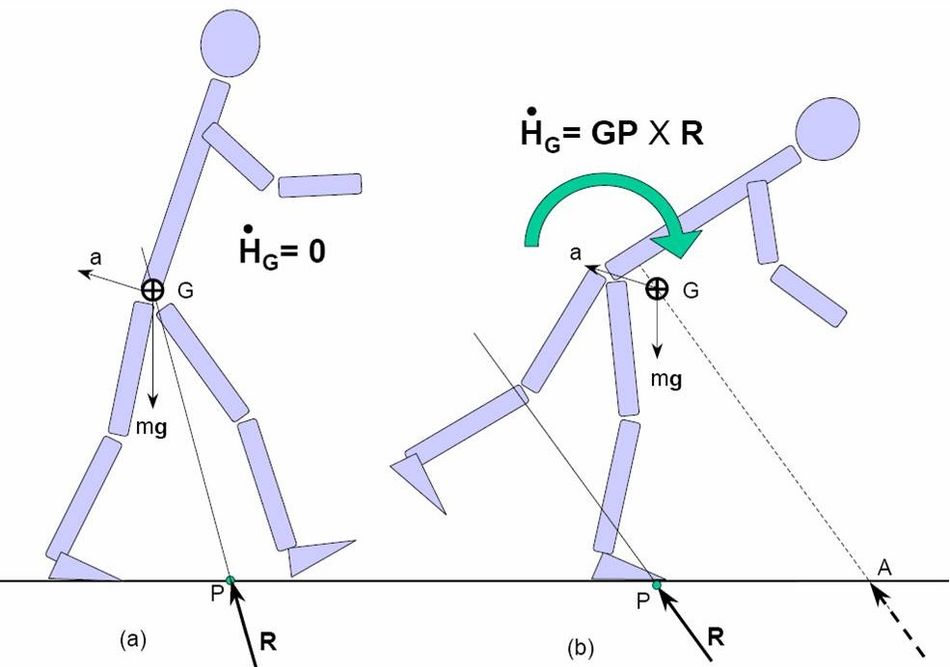
One primary demand for humanoid robotics is dynamic balance and motion. Achieving fluid, stable bipedal locomotion requires advanced real-time feedback, rapid actuation, and finely-tuned control loops, which are all informed by high-performance IMUs and sensor arrays. Ultimately, the pursuit of human-like motion defines the level of precision that only advanced sensor and control technologies can achieve.
Compact, Reliable Sensing
Engineers must squeeze complex sensor systems, processors, batteries, and electronics into extremely compact spaces. For humanoid robots, size and weight limitations mean that designers must rely on miniaturized IMUs, high-density capacitors, microcontrollers, and robust environmental sensors that don’t compromise performance for form factor constraints. For humanoids, sensing is the foundation for natural interaction and precise movement.
Connectivity and Data Flow
Connectivity brings its own challenges. Humanoid robots require uninterrupted communication with internal and external networks, and often operate in environments crowded with radio noise and electromagnetic interference. This means robots must incorporate wireless modules such as Wi-Fi, Bluetooth, LoRa, and UWB, as well as advanced EMI filtering, to maintain system integrity and prevent data loss or interference. Stable, secure connectivity is essential for humanoids to make timely, trustworthy decisions.
Power Management
Energy management is another engineering priority: actuators, controllers, and communications modules require significant and sustained power, but battery weight and space can add cost and disrupt design. This challenge drives the adoption of efficient, embedded control systems, energy harvesting where possible, and advanced battery technologies. The humanoid robots that succeed will be those that manage energy as intelligently as motion.
Robustness
Robustness to environmental stressors is increasingly important as robots move toward daily operation in industrial, medical, and service sectors. Designers must address dust, vibration, sudden shocks, temperature swings, and electromagnetic fields. All of these factors influence system longevity, reliability, and safety. Rugged systems enable humanoids to go from laboratory curiosities to dependable collaborators.
Safety and Reliability
As humanoid robots move into dynamic, mixed human/robot environments, functional safety and system reliability are increasingly important. Industries are compelled to meet safety and compliance standards, including IEC 62998, and new IEEE and ASTM initiatives that address direct human-robot interaction and safe operation.
Common risks in this new landscape include loss of dynamic stability (falls), uncontrolled actuator behavior, unsafe recovery from failure, and ergonomic injury to human collaborators. Reliability is more than just factory uptime. Rather, it extends to predictable shutdowns, sensor redundancy, secure communications, and system responses under fault conditions.
Together, these demands push engineers to rethink how they design and integrate every subsystem within a humanoid robot. Every design choice, from sensors to communication modules, affects long-term field performance.
Advanced Solutions: Murata Technologies for Humanoids
To address these challenges, Murata has engineered advanced, miniaturized components designed to meet safety standards, perform in harsh environments, and demonstrate reliability in real-world applications. For decades, Murata has been committed to electronics reliability and miniaturization, making the company a favored systems partner for cutting-edge humanoid projects. By working closely with roboticists, Murata has developed solutions that address the industry’s most demanding requirements.
Motion and Stability
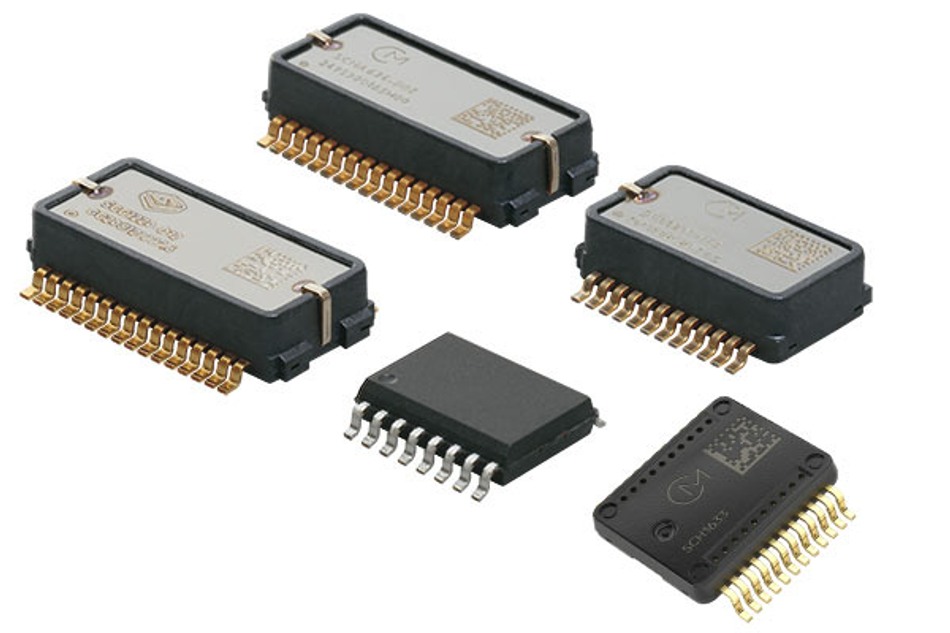
Murata’s MEMS gyroscopes and accelerometers are poised to be the heart of next-generation balancing and motion control stacks. Their high-precision, safety-rated IMUs deliver robust localization and postural feedback.
Communications
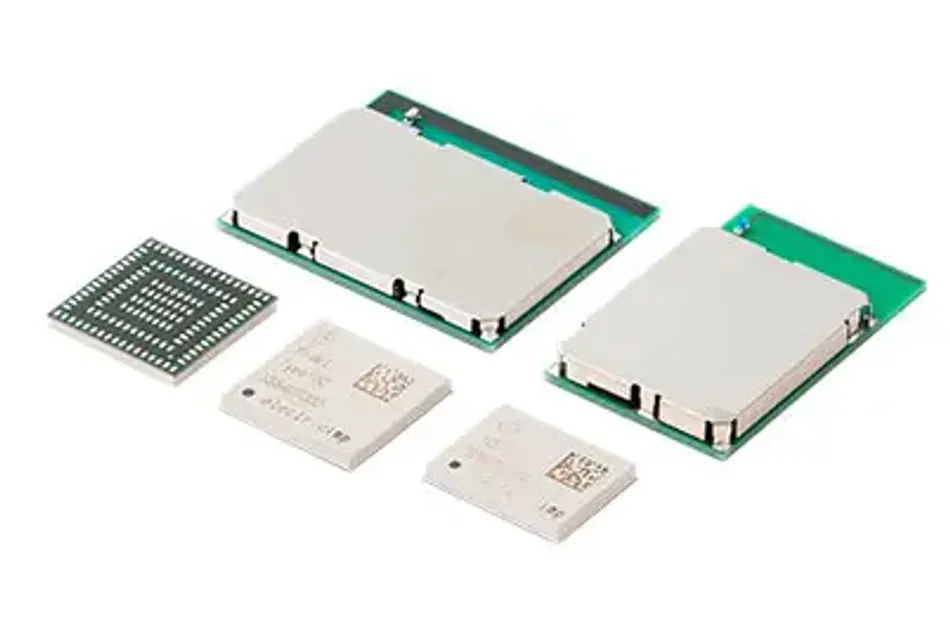
Murata’s compact wireless modules, covering Wi-Fi, BLE, LoRa, and UWB, enable communication between robots and infrastructure, with low power draw and high data throughput. The company’s EMC/EMI suppression and filtering technology ensures stable operation in EMI-intensive environments and provides safe, secure, and compliant data pathways.
Compact Power and Components
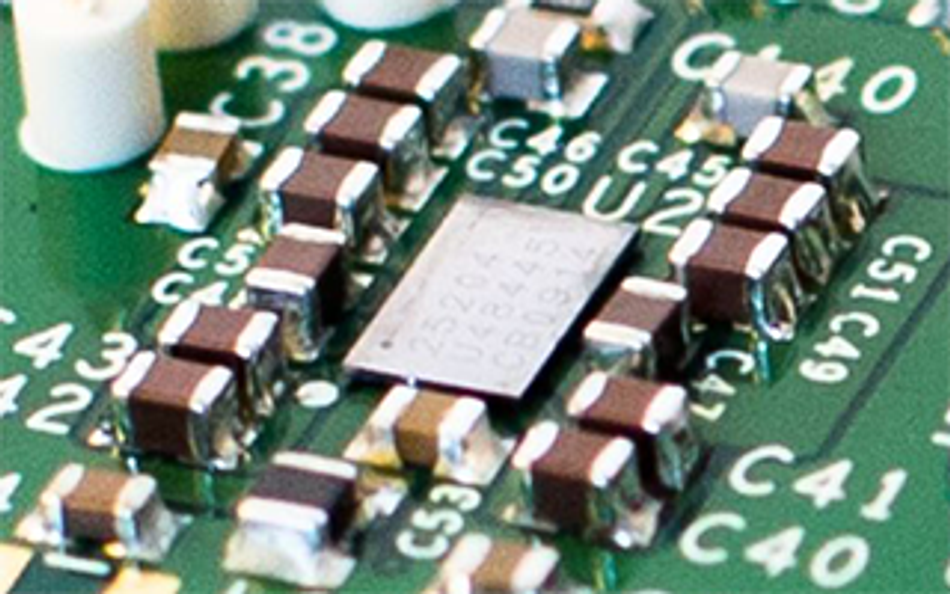
Murata is a leader in the miniaturization of power products, including passive components like capacitors and inductors, as well as energy storage solutions, like batteries and supercapacitors. This expertise enables dense multi-board assembly, responsive actuation, and dependable field operation. Wireless charging and field-proven battery chemistries are increasingly integral to uninterrupted service.
Harsh Environment Operation
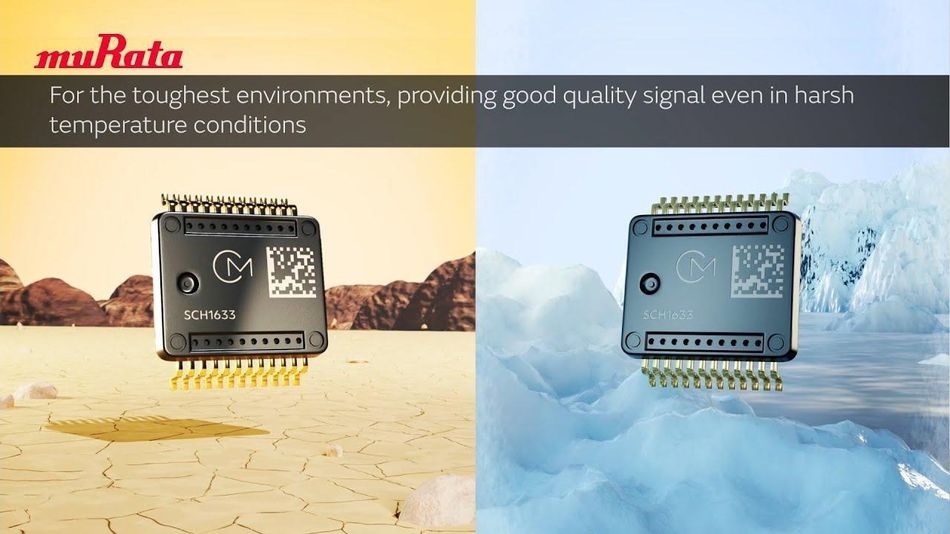
Murata has adapted its automotive-grade components for robots in real-world industrial and public spaces. These products, including sensors and capacitors, are designed for wide temperature ranges, elevated heat loads, vibration, shock, and aggressive contaminants, and are certified for automotive and high-reliability applications. Their resilience is reinforced by advanced ceramics and encapsulation, which make them a good fit for humanoid robots deployed in unpredictable settings.
Safety and Reliability

Murata has responded to safety and reliability requirements by designing and certifying products that meet rigorous standards, including safety-rated sensors and IMUs with redundant data channels, EMI-suppressing components, and communication modules with security features explicitly designed to address functional safety needs. As regulatory frameworks develop, high-reliability, compliance-ready components are prerequisites for any serious deployment of humanoid robotics.
Through these innovations, Murata provides the foundational electronics that enable humanoid robots to operate reliably and adaptively in dynamic environments.
Power Distribution & Management
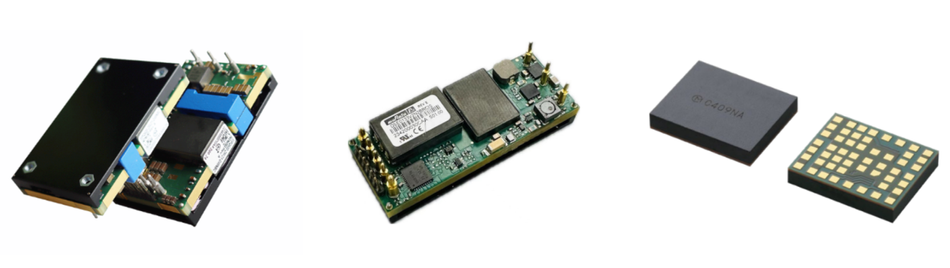
Murata offers advanced, reliable and highly efficient power management solutions for physical AI (Artificial Intelligence) systems, including humanoid robotics. Whether it’s for main power distribution or PoL (Point of Load) applications, Murata’s modular and compact power modules help optimise energy usage, enhance system reliability, and simplify maintenance and/or upgrades. This translates into more efficient energy management, reduced downtime and greater overall performance for physical AI systems. Murata power converters equipped with PMBus (Power Management Bus) can be digitally controlled and monitored, enabling seamless integration into digital designs and data-acquisition systems. State-of-the-art power designs from Murata are helping to unlock the next generation of humanoid and physical AI capabilities.
What’s Next: Humanoid Robotics and the Supply Chain
As industries advance the real-world applications for humanoid robots, the landscape is also shifting towards modular architecture, broader cloud and AI integration, and the development of bio-inspired sensing and actuation systems. Startups and established players are driven by the urgency to meet emerging safety frameworks and reliability standards, and all must scrutinize their component choices throughout the design process.
In response, Murata is updating its product roadmap to address new realities: accelerating the development of certified, high-reliability sensor modules, multilayer capacitors with industry-leading lifespans, and fully tested communications platforms for autonomous, human-centric environments. Murata’s close partnerships with robotics OEMs, ongoing investment in R&D, and legacy of reliability ensure that the company’s solutions will continue to advance and secure the future of humanoid robots as the field evolves. Companies that anticipate these convergences and invest in certified, high-reliability systems will help define the next era of humanoid robotics.
Conclusion
The ongoing evolution of humanoid robots is grounded in relentless improvements to precision sensing, robust connectivity, and reliable miniaturization. As humanoid robotics matures from vision to reality, success will rely on components that merge intelligence and endurance. With innovation shaped by reliability, Murata and its partners are helping define how the next generation of robots will move through the real world.
Deployment-ready robots rely on more than technological advancement alone. Rather, engineers must focus on reliability, safety, compliance, and environmental robustness at every layer, from sensor input to system-level integration. The field of humanoid robotics will realize its full potential through partnerships at the intersection of innovation and dependability. With component-level innovation at its core, the collaboration between robotics pioneers and companies like Murata will shape a safer, more capable generation of humanoid machines.
For more information about Murata’s advanced components, visit https://www.murata.com