Medical Wearables: How Connected Devices Are Changing Healthcare
Explore the growth of medical wearables, their healthcare applications, key engineering challenges, and why reliable hardware is critical to their performance.

16 Oct, 2026. 4 minutes read
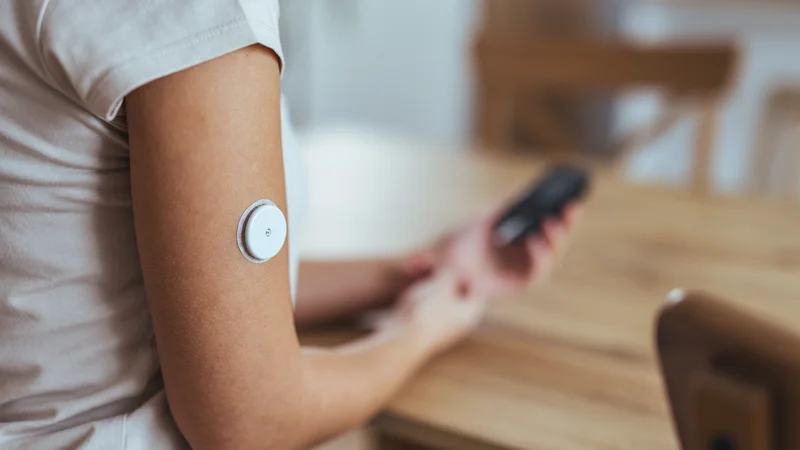
What if a device could detect a heart rhythm abnormality before you noticed any symptoms?
Today, medical wearables can do exactly that. Devices such as wearable ECG patches, continuous glucose monitors, smart inhalers, and biosensors are changing healthcare. They enable continuous patient monitoring beyond the hospital.
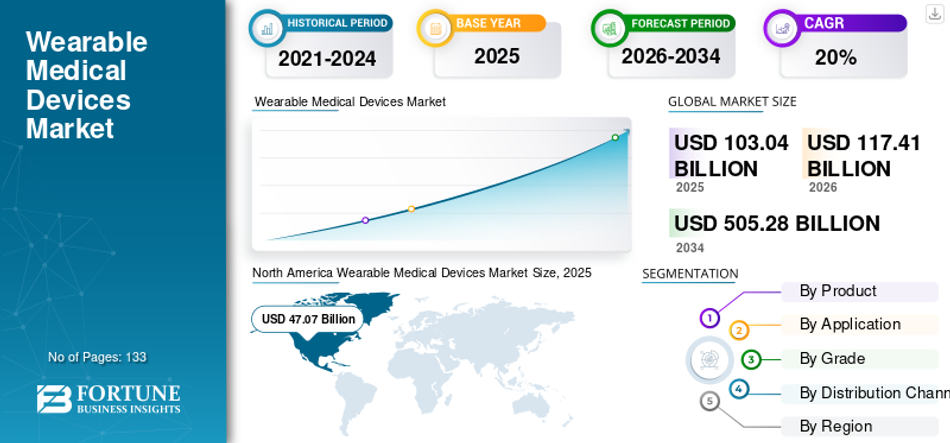
This shift is fueling rapid market growth. According to Fortune Business Insights, the global wearable healthcare devices market is expected to grow from $117 billion in 2026 to $500 billion by 2034. This growth is driven by advances in clinical-grade sensors, AI-powered analytics, and remote patient monitoring.
However, reliable health insights require more than intelligent software. They also depend on hardware that delivers accurate, safe, and consistent performance in real-world medical environments.
This article examines the technologies powering medical wearables, their growing role in healthcare, and the engineering challenges behind their design.
Why Medical Wearables Are Growing So Quickly
Medical wearables are no longer niche devices. They have become a routine part of healthcare, helping clinicians monitor patients remotely and detect health issues earlier. Key factors behind this growth include:
Growing burden of chronic diseases: Chronic conditions require ongoing monitoring rather than occasional checkups. The World Health Organization mentions that noncommunicable diseases cause around 41 million deaths annually. This accounts for nearly three-quarters of all deaths worldwide. Wearable devices help clinicians track patients remotely and identify early warning signs before conditions worsen.
Rise of remote patient monitoring: Healthcare providers are using wearable devices to monitor patients outside hospitals. Remote patient monitoring (RPM) allows continuous tracking of vital signs such as heart rate, oxygen levels, and glucose, helping reduce unnecessary hospital visits and improve long-term disease management.
Advances in sensors and AI: Modern wearable medical devices combine compact sensors, low-power electronics, cloud connectivity, and AI to monitor health and detect patterns linked to conditions such as atrial fibrillation, sleep disorders, and respiratory diseases.
Growing consumer acceptance: The popularity of smartwatches and fitness trackers has made people more comfortable using wearable devices to monitor their health. This is increasing demand for clinical-grade wearables that support personalized and preventive care.
These advances in technology and growing healthcare needs are driving the wider adoption of medical wearables across clinical settings.
Where Medical Wearables are Making the Biggest Impact
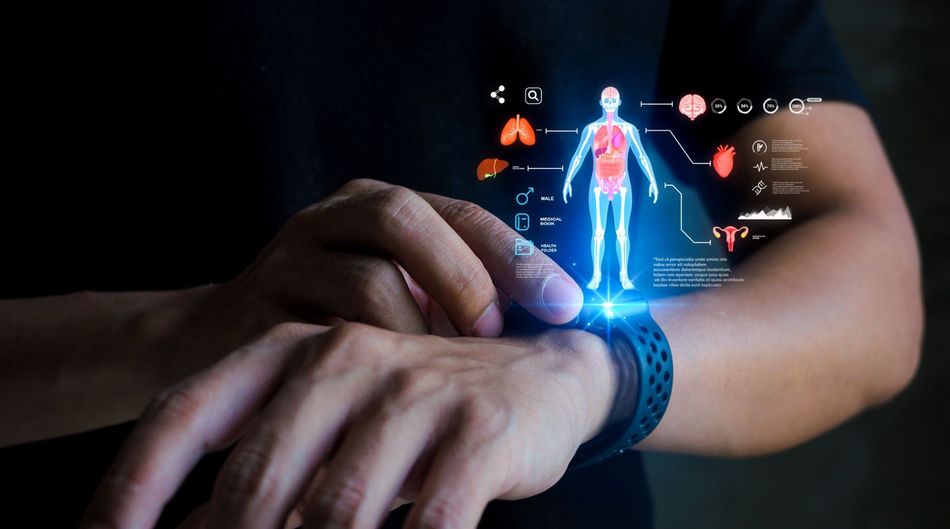
Medical wearables are changing healthcare by enabling continuous monitoring outside hospitals. Instead of relying only on regular checkups, clinicians can use real-time patient data to detect issues earlier, personalize care, and manage chronic conditions more efficiently. Today, these devices support many medical applications, including:
1. Cardiovascular Monitoring
Wearable ECG patches continuously monitor heart rhythm and help detect conditions such as atrial fibrillation (AFib) that may be missed during routine examinations. Many devices also include a tact switch, such as C&K's KMR and KSC series, allowing patients to record symptoms for later clinical review. According to the American Heart Association, AFib affects 37.6 million people worldwide, making continuous monitoring valuable.
2. Diabetes Management
Continuous glucose monitors (CGMs) provide glucose readings every few minutes, helping patients better manage blood sugar levels while reducing the need for frequent finger-stick tests. Research published in The Lancet Diabetes & Endocrinology found that continuous glucose monitoring (CGM) improves glycemic control and increases time-in-range for people who use insulin. It also achieves these benefits without increasing the risk of hypoglycemia compared with traditional finger-prick blood glucose testing.
3. Respiratory Care
Patients with chronic respiratory conditions such as chronic obstructive pulmonary disease (COPD) and asthma can benefit from wearable devices that monitor respiratory rate, blood oxygen levels, and physical activity. These devices can identify early signs of worsening symptoms and help healthcare providers to adjust treatment before the condition becomes severe enough to require hospitalization.
4. Pain Management
Wearable electrotherapy patches and neural stimulation bands use technologies such as transcutaneous electrical nerve stimulation (TENS) to provide non-invasive pain relief for conditions including migraines and chronic back pain. These devices allow patients to manage therapy at home and rely on reliable components, including switches such as Littelfuse C&K PTS830 and KMT0, to ensure precise and consistent operation.
5. Infant Monitoring
Wearable technology can also help monitor infants through smart socks, wearable bands, smart cribs, and connected nursery devices. They can track wet diapers, skin temperature, heart rate, and blood oxygen levels. Powered by various sensors and actuated by switches such as C&K's PS Series Push Button, these devices can withstand frequent use and cleaning. Beyond convenience, the data they collect can support research into unexplained infant deaths and improve early detection of potential risks.
The Future of Healthcare Is Wearable
Medical wearables are rapidly evolving from monitoring tools into essential components of connected healthcare. According to the World Health Organization, one in six people worldwide will be aged 60 years or older by 2030. As populations age and chronic diseases become more common, healthcare systems will increasingly rely on wearable technologies to monitor patients remotely and reduce the burden on hospitals.
To meet this growing demand, researchers are developing the next generation of medical wearables. These include flexible electronic patches, wearable biosensors, and non-invasive devices that continuously measure biomarkers such as blood pressure, hydration, and glucose levels. When combined with AI, these devices can detect subtle physiological changes earlier, allowing clinicians to intervene before conditions become more serious.
However, innovation is only as effective as the hardware behind it. Healthcare wearables must combine clinical-grade accuracy, secure connectivity, and dependable components to earn the trust of both patients and healthcare providers.
Final Thoughts
Medical wearables are transforming healthcare by making continuous and personalized care more accessible than ever before.
Key Takeaways
Medical wearables ensure continuous and real-time health monitoring outside traditional healthcare settings.
Advances in sensors, AI, and remote patient monitoring are accelerating adoption across the healthcare industry.
Wearable devices are improving care for cardiovascular disease, diabetes, respiratory conditions, infant health, and pain management.
Medical wearables require higher standards of accuracy, durability, and reliability than consumer wearables.
Compact, dependable hardware components are essential to ensuring long-term performance and patient safety.
Littelfuse C&K portfolio of compact tactile and control switches helps wearable medical device manufacturers achieve reliable power control, responsive user interaction, and long-term durability. Designed for space-constrained applications, these switches support dependable performance throughout the device's lifecycle.
For engineers developing the next generation of wearable medical devices, explore Littelfuse’s website to find the right switches for your next medical device!