Designing for Lifecycle Value in AS/RS and AMRs: How Automation Providers Approach Cost Efficiency
The age of simple ROI is over. Learn why warehouses now measure automation by lifecycle performance, sustainability, and long-term operational value.

14 Oct, 2025. 5 minutes read
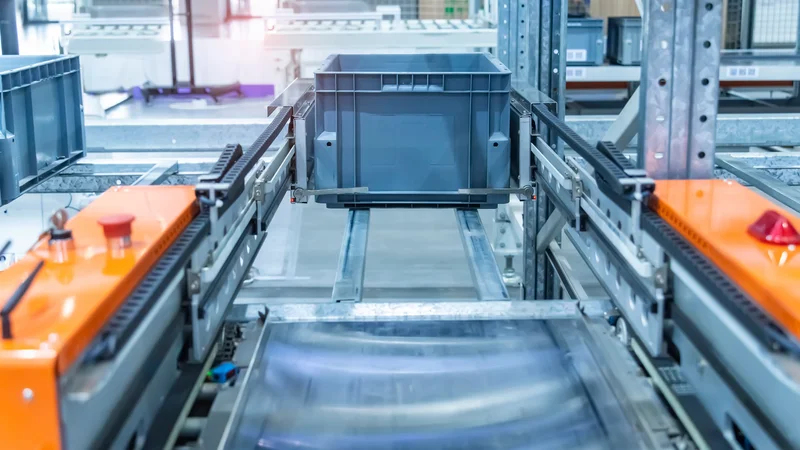
Warehouses once justified automation by calculating how quickly a piece of capital equipment could “pay itself back.” That math no longer applies. Energy costs, sustainability targets, and flexible fulfillment requirements now force operators to ask a different question: What does this system cost me each day it runs, and how long can it continue to earn?
Across the industry, pressure on operating margins and stricter uptime expectations have shifted procurement away from pure capital expenditures. Instead, lifecycle value now drives both intralogistics engineering choices and business models. In fact, the global warehouse automation market is expected to reach $55 billion by 2030. This means that whereas automated storage and retrieval systems (AS/RS) and autonomous mobile robots (AMRs) were once viewed as one-time expenditures, they’re now considered genuine investment vehicles. More importantly, they are judged as much by their lifetime value as their upfront cost.
From Capex to Lifecycle Value
Procurement teams in intralogistics are focusing more and more on total cost of ownership (TCO) rather than upfront discounts. Energy consumption, serviceability, and upgradeability all weigh heavily, and the economics can be stark. For example, in a high-throughput AS/RS, electricity over a decade can cost two to three times the original capital outlay. An unscheduled hour in a large e-commerce facility can wipe out thousands of euros in throughput. Those realities put a premium on designs that keep operating costs low over a 10-15-year life.
Contracts are changing to match. System integrators are moving to models that reward uptime and efficiency rather than headline capex savings. As a result, engineering decisions regarding motor architecture, drive selection, and control strategy are chosen early on to reduce lifetime cost and failure risk. Every choice adds up over years of duty cycles and eventually shows up on P&L statements
Designing for Modularity and Scalability
An inescapable reality is that lifecycle value is now tightly coupled to a system’s flexibility. In this context, flexibility can be achieved through a focus on modular design. A modular system affords operators the ability to replace or upgrade only what is necessary to improve ROI on existing infrastructure and reduce downtime during upgrades. A modular drive unit, for example, can be swapped individually rather than replacing an entire robot subsystem. With this form of scalability, modular design means that systems can be underspecced early on and grow with customer needs.
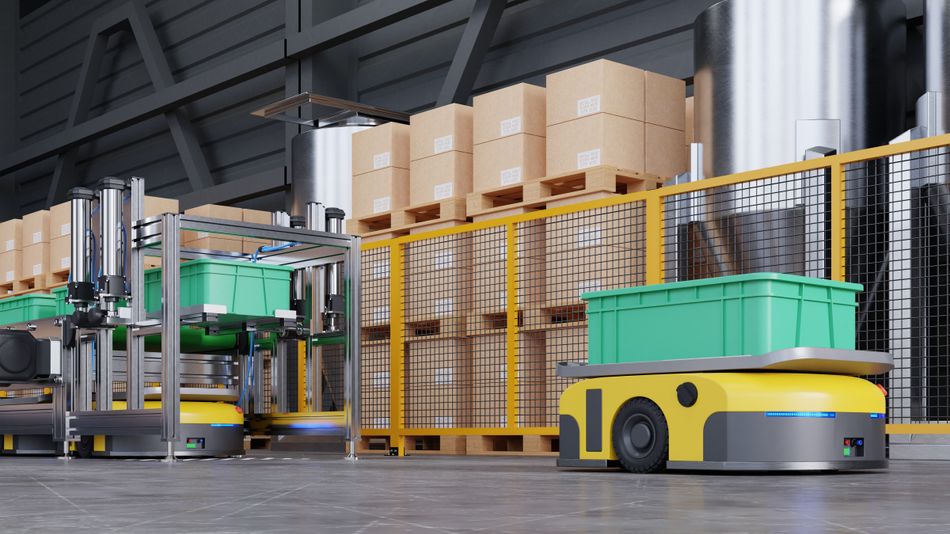
It’s in this context that the differences between AS/RS and AMRs are especially pronounced. AS/RS endure heavy duty cycles where uptime is the first priority, so every lift axis or shuttle drive should prioritize serviceability and long mechanical life. By contrast, AMRs benefit most from modular drive units that function as self-contained, swappable modules rather than being permanently tied to the chassis. Battery packs and lightweight but durable motion units also allow fleets to expand and redeploy quickly.
Choosing the Right Supplier
Beyond design, the choice of supplier directly influences how much lifecycle value a system can deliver. Working with multiple suppliers can hinder cost efficiency, serviceability, and modularity, as integration risks from mixing components across vendors may limit design freedom. In the field of motion solutions, Delta Line — one of Europe’s leading motion solution manufacturers — supports modular system design through a comprehensive portfolio of motion technologies that can be combined into complete solutions. To further reduce complexity and minimize installation and maintenance time, these modular motion systems can also be delivered pre-assembled or built using Delta Line’s range of motors with integrated motion controllers, among the most advanced on the market.
Another key factor in maximizing modularity and lifecycle value is co-design. Partnering early in the design phase with a supplier offering strong engineering and design expertise helps optimize subsystems to meet application requirements while considering modularity, cost, and serviceability from the start. Delta Line follows this approach, working with customers from project onset to refine design calculations, validate performance trade-offs, and tailor motion solutions that deliver long-term reliability, reduced downtime, and lower total cost of ownership.
Energy Efficiency and Sustainable Operations
Energy has become one of the largest operating expenses in automation. For many high-volume sites, the lifetime electricity use often far exceeds the initial investment. That makes efficiency a design priority: competitive systems are those that minimize waste without sacrificing performance. Intelligent drive control, regenerative braking, and carefully tuned acceleration profiles can help provide this balance and reduce draw during idle times while maintaining high productivity during peak activity.
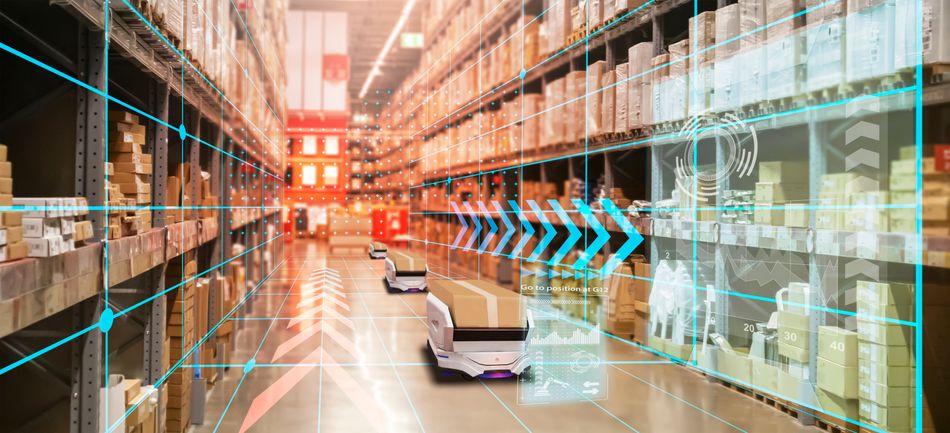
Even small improvements scale dramatically. For instance, a warehouse running thousands of AMRs sees the effect of every watt saved multiplied across the entire fleet. Likewise, energy-efficient hoists and shuttles in AS/RS cut operating costs and relieve the load on a facility’s electrical system. They also help operators meet sustainability mandates by demonstrating carbon reductions alongside clear financial savings. The goal is to choose designs that keep productivity high while reducing long-term energy exposure.
Supplier Ecosystems and Component Durability
Ultimately, suppliers have a direct influence on lifecycle value. Intralogistics systems are expected to operate for 10-15 years, yet components may be discontinued far sooner. This risk of obsolescence makes supplier strategy as important as engineering design. A reliable ecosystem guarantees the long-term part availability, second-source options, and backward compatibility needed to protect investments in automation infrastructure.
For AS/RS operators, downtime losses can be measured in thousands of dollars per minute. That means component durability and serviceability directly determines profitability. Bearings, encoders, and gearboxes must withstand continuous thermal and mechanical stress, and modular systems can help decrease service times when repairs are needed. For AMRs, lightweight but robust motion subsystems can improve fleet longevity while simplifying field replacements.
This is where suppliers like Delta Line add value. By owning manufacturing processes and maintaining lean, flexible production, they can ensure long-term part continuity. Their expertise in tailoring motion solutions from the outset helps customers design systems with lifecycle value built in. Rather than supplying components in isolation, the supplier becomes a design partner, reducing integration risk and total ownership cost across the system’s operational lifespan.
Conclusion
AS/RS and AMRs were once thought of as capex-driven purchases but are now viewed as long-term investment vehicles. To be competitive today, thinking needs to shift to a lifecycle-centric view. Systems that draw less power, scale through modular subsystems, and use durable, supported components tend to outperform those tuned only for purchase price. For engineers, this reframes everyday choices, as questions about energy and uptime should be framed in terms of lifecycle impact. There is still room for gains through predictive maintenance and circular-design practices, but the general direction is already clear. Designing for lifecycle value guarantees that automation delivers returns throughout its entire operating life.
To learn more about Delta Line’s expertise in intralogistics motions solution, visit their website.