Why Quality Systems Matter More Than Speed in Technical Products
Standards aren't formed by how fast you move. They're formed by what you refuse to let slip.

23 Apr, 2026. 3 minutes read
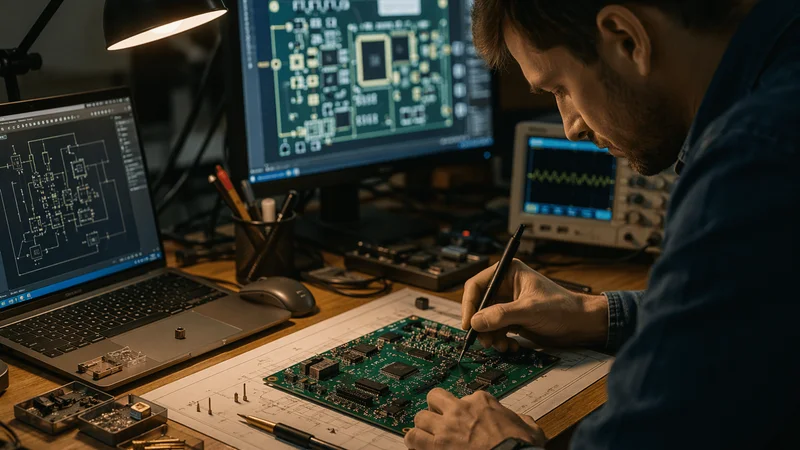
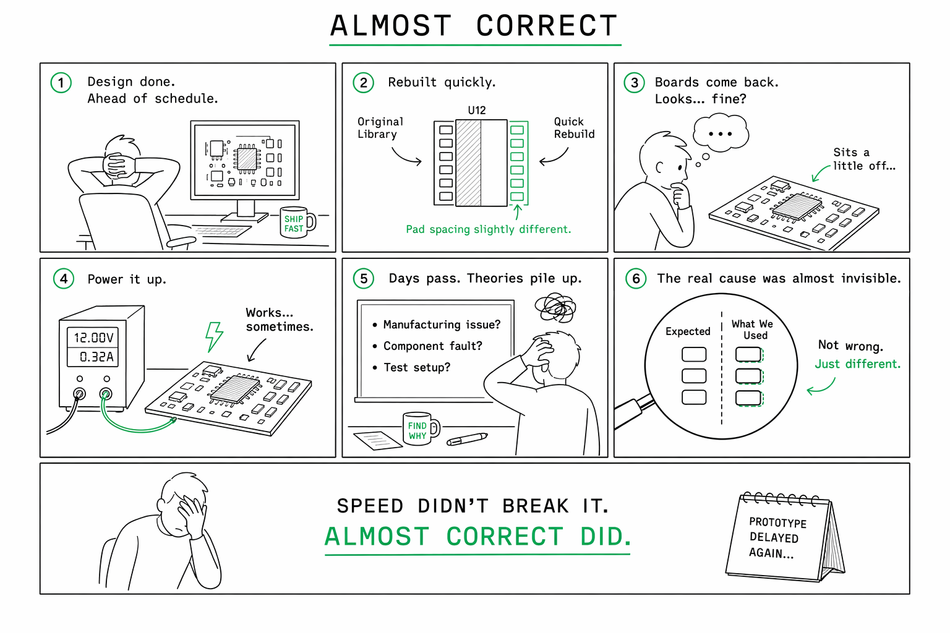
A hardware team I once spent time with believed they were ahead of schedule.
They had moved quickly. Decisions were made fast. The design came together in record time.
On the schedule, everything looked right.
So they pushed forward to prototype.
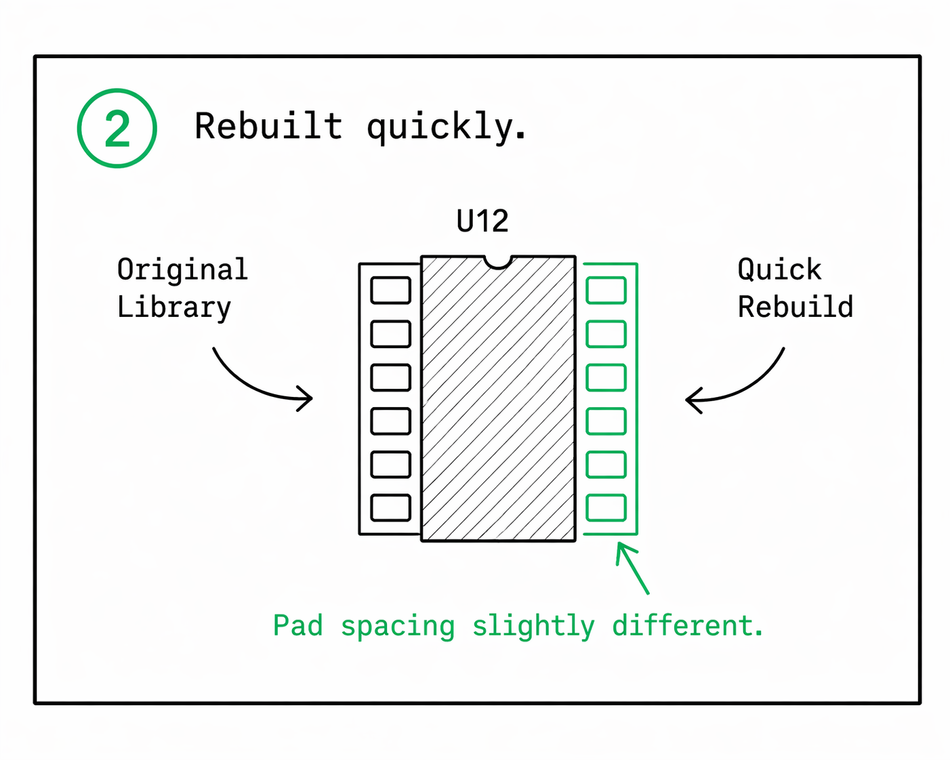
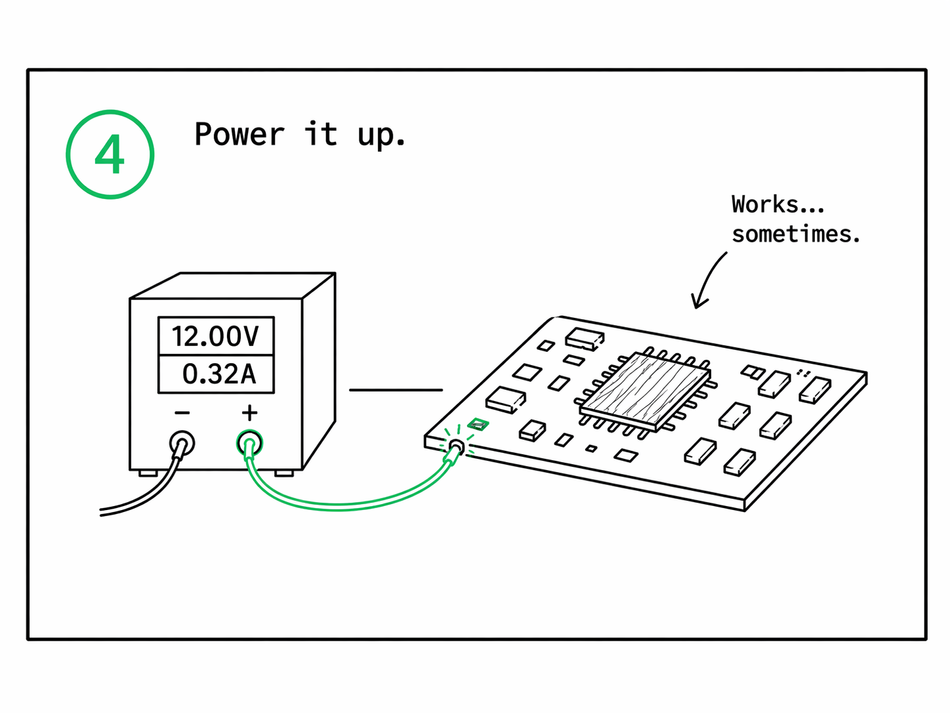
When the boards came back, the first signs were subtle. A few components didn’t sit quite flat. Nothing dramatic – just slightly off.
Then power was applied.
One section of the board worked, but only under certain conditions no one could fully explain.
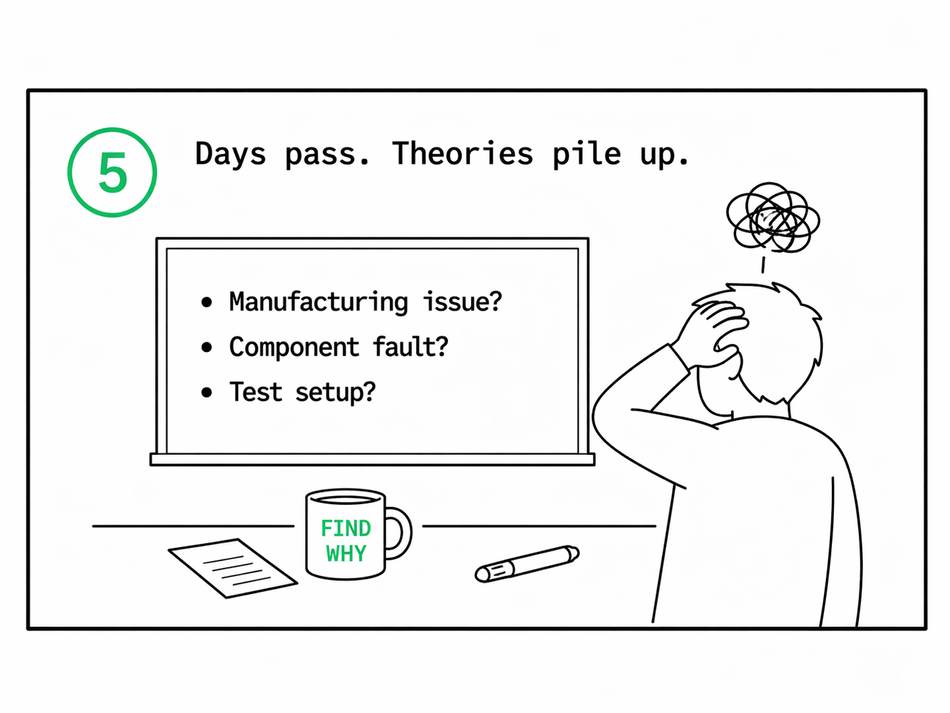
At first, they assumed it was a manufacturing issue. Then a component issue. Then a problem with the test setup.
Days passed. Then weeks.
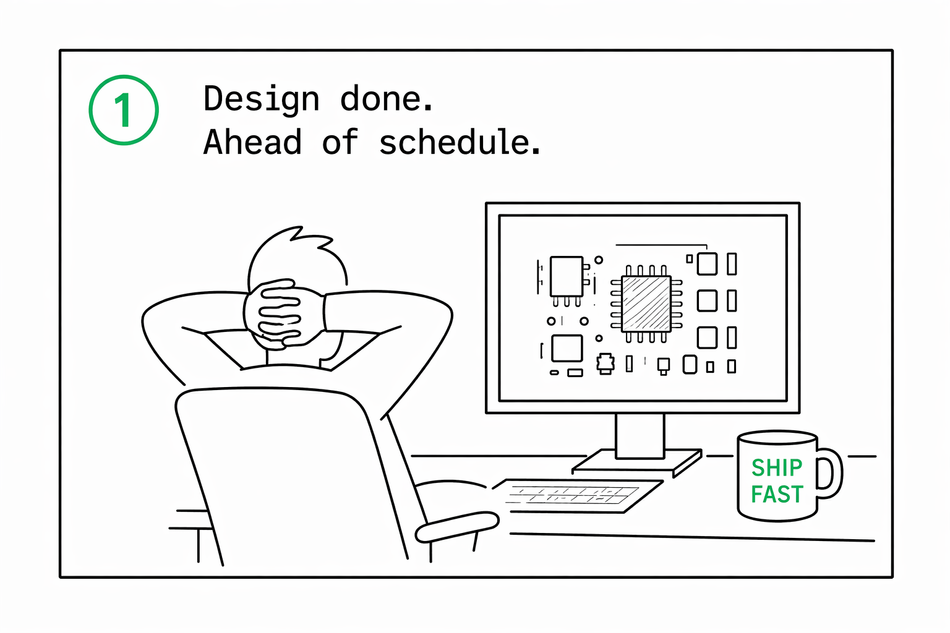
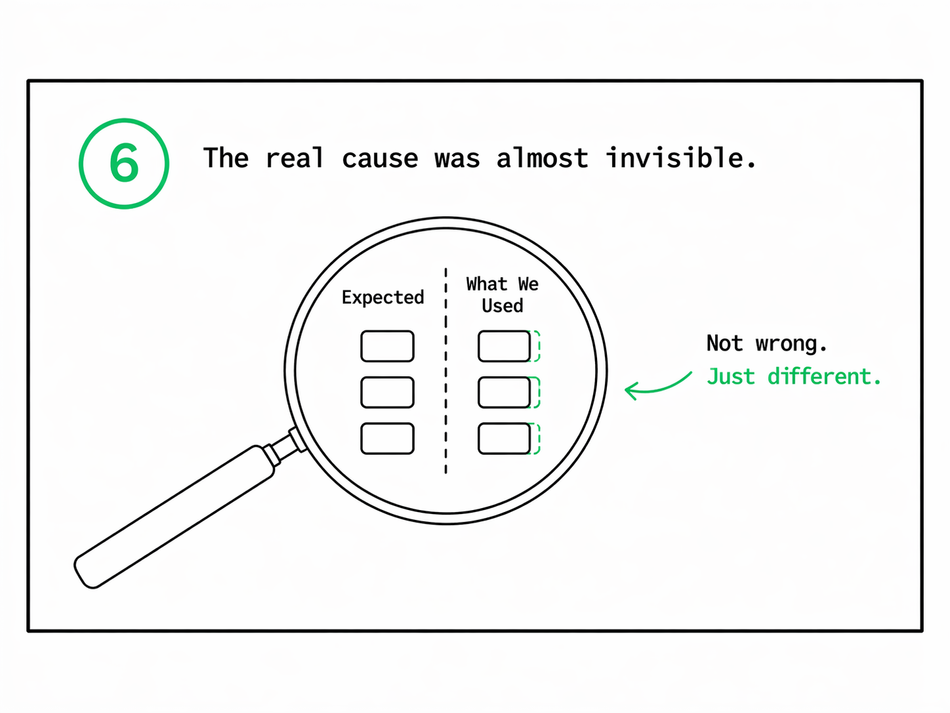
Eventually, they traced it back to something almost invisible: a footprint had been rebuilt last minute – not incorrectly, just slightly differently.
A pad spacing deviation small enough to pass visual checks. A tolerance shift that didn’t trigger warnings. A variation introduced by someone trying to move quickly and “get it done.”
That single inconsistency had quietly propagated through the design.
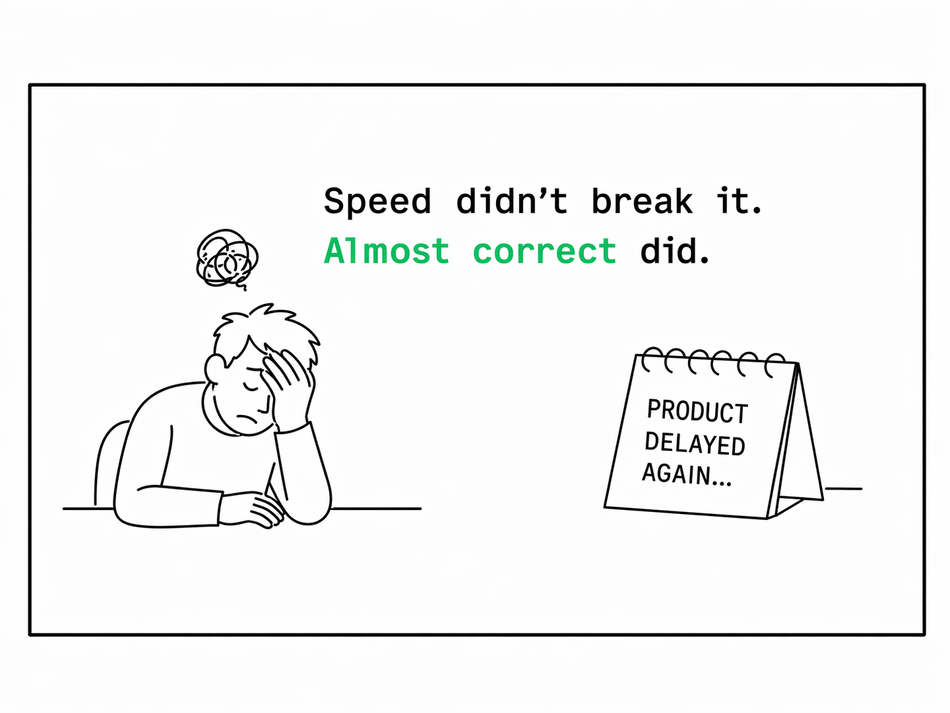
By the time it surfaced, it had already cost a full prototype cycle, weeks of engineering time, and a significant loss of confidence.
Not because the team lacked capability.
Because their system allowed “almost correct” to exist.
Suggested reading: When ''That's Just How it's Done'' Becomes The Real Problem
Speed creates the illusion of progress
Moving quickly feels productive.
There is visible output. Momentum continues. Teams feel like they are advancing.
But speed has a blind spot: it hides the accumulation of small, unverified decisions.
Each one individually harmless. Together, a source of instability.
In technical products, that instability doesn’t always show up immediately. It appears later – when the cost of fixing it is highest.
The real danger isn’t failure – it’s doubt
When something breaks, teams can fix it.
What is far more damaging is what follows: uncertainty.
- Can we trust this design?
- Was that model actually correct?
- Is this version the right one, or just the latest one?
That hesitation slows everything down.
People stop reusing work. They double-check everything. They rebuild things they no longer trust.
What started as a small quality issue becomes a systemic drag on the entire team.
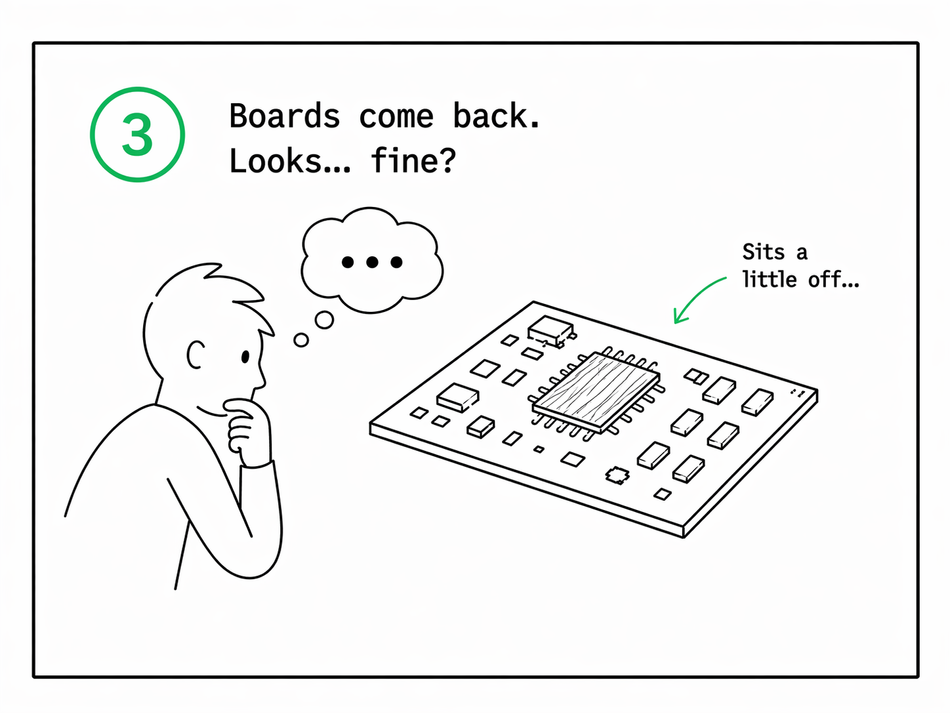
Standards are built through discipline, not speed
High-performing engineering environments do not rely on individuals being careful.
They rely on systems that make inconsistency difficult.
- Clear ownership
- Repeatable processes
- Defined expectations of what “correct” means
- Relentless removal of ambiguity
This often feels like friction – especially to teams used to moving quickly.
But that friction serves a purpose.
It prevents problems from entering the system in the first place.
Quality compounds over time
When something is built correctly once, it can be reused with confidence.
When data is trusted, decisions are made faster.
When systems are consistent, teams stop second-guessing themselves or each other.
Over time, this produces a different kind of speed.
Not reactive speed – fixing problems under pressure.
But sustained speed – where complexity increases without things breaking.
Where AI fits – and where it doesn’t
AI is increasingly being positioned as the solution to engineering bottlenecks.
Generating designs. Automate workflows. Accelerate development.
And it will – in the right conditions.
But AI does not introduce discipline. It reflects the system it operates within.
If inputs are inconsistent, AI will scale that inconsistency.
If standards are unclear, AI will reproduce that ambiguity – faster than any human could.
AI is a multiplier.
It strengthens well-structured systems. It destabilises weak ones.
The real decision
This is not a choice between speed and quality.
It is a decision about where the cost is paid.
- Upfront – through discipline, structure, and consistency
- Or later – through delays, rework, and loss of trust
The first feels slower.
The second is slower.
Final thought
The teams that build the most reliable technical products are not the ones who move fastest at the start.
They are the ones who remove doubt from their system.
Because once a team trusts what it has already built, everything that follows becomes easier.
And in engineering, that trust is where real speed comes from. Having the confidence your products will work first time.
Alex MacDougall is the founder of SamacSys and author of Built, Not Given, a forthcoming book about building a global engineering technology business from nothing—and the setbacks, decisions and lessons that shaped the journey.
Learn more about Built, Not Given at: AlexMacDougall.com