Life-Critical Connectors: Ensuring Safety & Performance in Medical and Industrial Systems
Connectors in medical and industrial applications have strict reliability requirements. Discover how Harwin supports these requirements in life-critical and mission-critical applications.

22 Jun, 2026. 5 minutes read
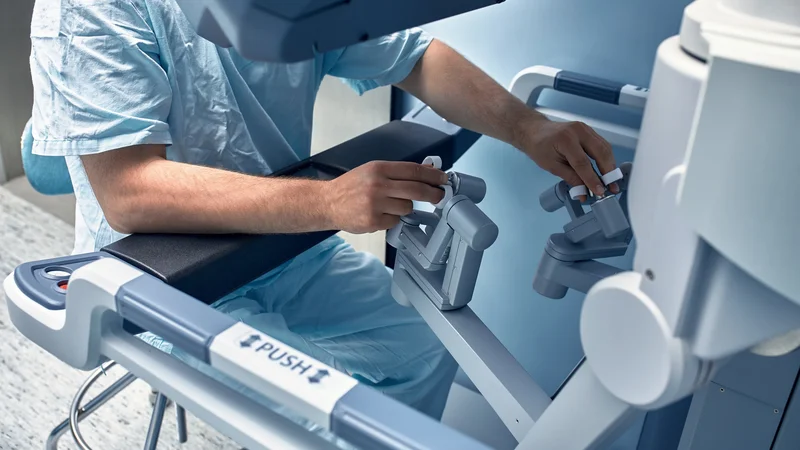
Modern medical and industrial systems depend on the uninterrupted transmission of power and data between subsystems. Monitoring platforms, surgical equipment, robotics, and process control units all rely on stable electrical connections to function as intended. In medical and industrial environments, safety, uptime, and process continuity matter a lot, and a disrupted connection can interrupt data flow, halt operations, or require system resets and inspection. This can be very devastating for life-critical and mission-critical applications. Therefore, connectors are a very important part of the system’s overall reliability.
This article examines the reliability requirements placed on connectors in medical and industrial applications, the regulatory considerations that influence component selection, and how Harwin supports these requirements.
What Makes an Application Life-Critical or Mission-Critical?
The classification of an application as life-critical or mission-critical depends on the consequences of failure. In such systems, electrical continuity and mechanical stability are essential for safe and predictable operation.
Medical Systems
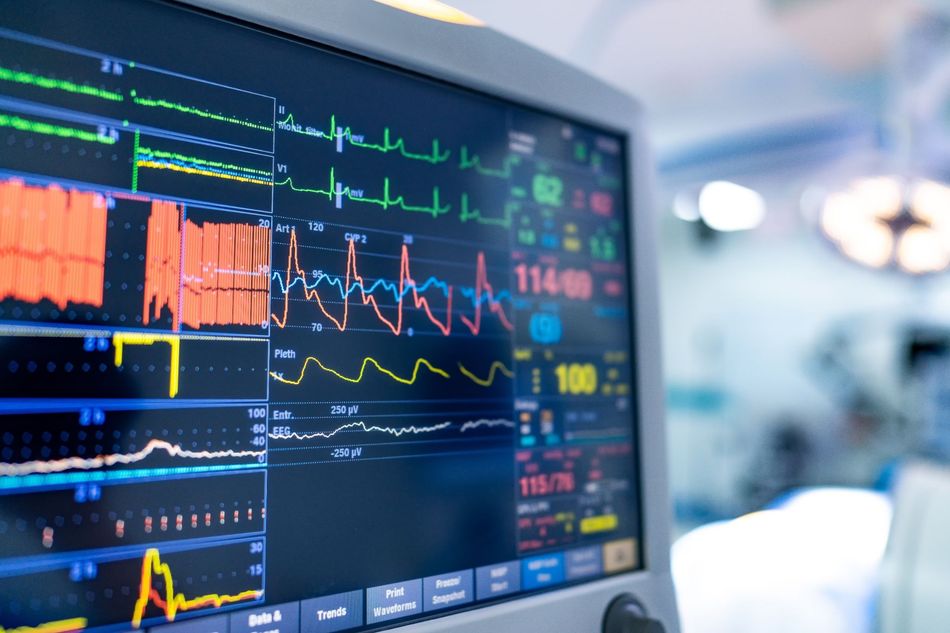
In medical electronics, equipment performance directly affects patient health. For instance, patient monitoring equipment continuously tracks vital signs such as heart rate, oxygen saturation, and blood pressure. An interruption in data transmission can obscure clinically relevant changes. Connectors in these systems should always maintain stable signal paths.
Surgical systems, including minimally invasive and robotic platforms, depend on coordination between control units, imaging systems, and actuation mechanisms. Electrical interconnects used in such systems are expected to handle signal integrity and power delivery while resisting repeated movement and mechanical stress. Connector failure can cause delays in procedures during critical moments.
Similarly, portable and wearable medical devices have their own set of constraints, including compact form factors, frequent handling, and repeated charging cycles. These constraints require mechanically durable and electrically stable connectors. Imaging and diagnostic platforms, such as CT or MRI support systems, may operate continuously. Imaging and diagnostic platforms like CT or MRI support systems usually operate continuously and are expected to maintain consistent signal transmission under high data throughput.
Industrial Systems
There are different sets of mission-critical requirements in industrial applications. Robotics and automation lines operate with tight tolerances and coordinated motion, and a disrupted connection may halt production or lead to alignment errors. In high-volume manufacturing, downtime costs can escalate quickly.

Process control systems in chemical plants, water treatment facilities, and energy installations regulate pressure, temperature, flow, and other such variables based on accurate sensor data. An unstable connection can cause incorrect readings and potentially unsafe operating conditions. Connectors used in power generation and energy infrastructure are exposed to vibration and heat as well.
Transportation systems and heavy equipment also depend on durable interconnects. Mechanical shock, cable movement, and environmental exposure place sustained stress on connectors. In such applications, failure compromises operational safety and can result in expensive service interventions.
Reliability Challenges Connectors Must Withstand
In life-critical and mission-critical systems, connectors are exposed to several environmental and mechanical stresses. For example, vibration and shock are common in industrial environments and mobile medical equipment. Repeated micro-movements can cause contact fretting, leading to increased resistance or intermittent connections. Hence, connectors used in such applications should be able to maintain firm contact pressure and secure retention mechanisms to resist loosening over time.
Serviceable systems usually require connectors to be disconnected and reconnected during maintenance. Wear on contact surfaces can degrade performance unless materials and plating are selected to withstand repeated cycles without excessive resistance increase. Similarly, exposure to dust, moisture, oils, and chemicals is very common in factories and field-deployed equipment. Even in hospital settings, cleaning agents and disinfectants may contact exposed surfaces. Connectors must resist corrosion and contamination that could impair electrical continuity.
Industrial equipment may operate near heat-generating components where temperature fluctuations affect both electrical and mechanical properties since the expansion and contraction of materials can stress contact interfaces. Therefore, it is crucial to consider thermal cycling while choosing the connectors for such applications. In robotics systems, cables bend and flex repeatedly, which necessitates that the connectors must provide secure strain relief and robust housing design to prevent conductor fatigue or contact displacement.
Another reliability challenge that the connectors must withstand is introduced due to miniaturization trends because, as systems shrink, connectors become smaller, and mechanical margins get narrower. Reduced contact spacing increases the importance of precise alignment. Moreover, higher power densities and faster data rates require improved electrical performance within tighter packaging limits. Engineers should therefore consider relevant factors and challenges that may impact their connector choice based on the required application.
Compliance and Regulatory Expectations
Medical and industrial systems are subject to strict regulatory and quality requirements. Connectors used in these systems, therefore, need to meet compliance requirements as well.
Electrical safety standards define insulation requirements, creepage and clearance distances, and current-carrying capabilities. Designers need to ensure that selected connectors meet applicable ratings and testing requirements. Otherwise, failure to meet these criteria can delay certification and market entry.
Operational certifications usually require documented testing and traceability. Quality management systems such as ISO 9001 provide a framework for consistent production and documentation practices. Aerospace or defense standards like EN 9100D or AS9100D may apply to several overlapping industrial and medical systems, as these frameworks emphasize risk management, process control, and traceable manufacturing.

Connector selection can influence certification success. Components sourced from suppliers with established quality systems and documented testing protocols simplify integration into regulated products. Reliable documentation, material declarations, and performance data reduce uncertainty during compliance audits.
The Role of Harwin in Medical and Industrial Systems
Harwin is a connector manufacturer with experience across high-reliability sectors. Their solutions, originally developed for demanding environments, translate effectively into medical and industrial applications.
Space constraints in medical equipment usually require compact, secure interconnects that maintain reliable contact under movement and repeated handling. Harwin’s high-reliability connector families are designed with secure contact retention features and durable contact materials for repeated mating cycles. Similarly, secure latching mechanisms and robust housings help reduce the likelihood of intermittent connections in vibration and mechanical stress-prone dynamic industrial environments. For instance, Harwin’s Datamate series uses multi-finger beryllium copper contacts to maintain consistent contact force for applications subject to sustained vibration or shock, such as robotics, mobile diagnostic carts, or heavy equipment.
Many modern systems also face size, weight, and power (SWaP) constraints that require compact solutions without sacrificing performance. Connectors that combine power and signal contacts within a single interface simplify layout and reduce cable complexity. In this regard, Harwin’s Gecko connectors, with a 1.25 mm pitch, provide double-row configurations with positive latching in a low-profile format.
Harwin also operates under recognized quality standards, including ISO 9001 and EN 9100D / AS9100D, supporting consistent manufacturing processes and traceability. Working with suppliers experienced in high-reliability and regulated sectors can reduce integration risk and strengthen long-term product outcomes.
Looking Ahead: Reliability in Smaller, Smarter Systems
Medical and industrial systems are getting more compact, more connected, and more software-driven. Portable medical devices, distributed monitoring platforms, and modular industrial equipment rely on stable power and data pathways within constrained spaces. Moreover, higher data rates and increased power density tighten the performance requirements for interconnects. Hence, connector selection is tied to reliability, compliance, and long-term serviceability.
To learn more about connector solutions designed for demanding medical and industrial environments, explore Harwin’s high-reliability interconnect portfolio available on their website and review the technical resources provided to support robust system design.
References
Harwin. [Online] Available at: https://www.harwin.com/ (Accessed on February 13, 2026)
Harwin. [Online] Wevolver. Available at: https://www.wevolver.com/profile/harwin (Accessed on February 13, 2026)
Datamate. High reliability, miniature connectors for SWaP-C optimization [Online] Harwin. Available at: https://www.harwin.com/hri-range/datamate (Accessed on February 13, 2026)
Gecko. Micro-Miniature Connectors for SWaP-C Optimization. [Online] Harwin. Available at: https://www.harwin.com/hri-range/gecko (Accessed on February 13, 2026)
Harwin for Medical [Online] Harwin. Available at: https://www.harwin.com/markets/medical (Accessed on February 13, 2026)
Harwin for Industrial Applications [Online] Harwin. Available at: https://www.harwin.com/markets/industrial (Accessed on February 13, 2026)