How To Clean A Solenoid Valve
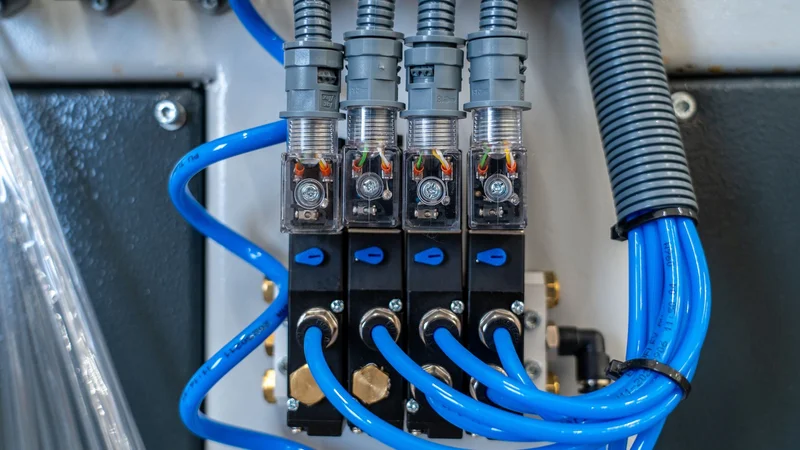
Industrial applications use solenoid valves to control the flow of gases or fluids such as air, oil or water. Solenoids can change a valve from open to closed using an electromagnetic coil, allowing for precision flow control.

This article was first published on
www.rowse-pneumatics.co.ukHowever, they’re subject to buildup of contaminating materials, so knowing how to clean a solenoid valve is a helpful maintenance skill.
This means careful elimination of dirt and debris, rust, corrosion, moisture and other contaminants. In this way, you can optimise flow rates, identify and plug leaks, and fix other performance issues. Routine cleaning helps to maintain a high-quality performance from your solenoid valves, extending their working life and preventing unexpected failures.
When To Clean A Solenoid Valve
There are several primary indicators that suggest your solenoid valves are clogged up and due for cleaning. These include:
Reduced flow rate
Leakage
Erratic operation
Unusual noises
However, you shouldn’t wait until you notice one of these problems to clean your solenoid valves. Cleaning should form part of your routine preventative maintenance procedures to ensure that the valves continue to perform at peak efficiency. The reasons to clean a solenoid valve are to clear any accumulated impurities and particulates that have been deposited by contaminated media. These contaminants include rust or corrosion, especially if your valves are made of metals like iron or steel. A corroded valve will stick or fail to operate, so regular cleaning is critical.
How To Clean A Solenoid Valve
Preparatory Steps
Before you begin the cleaning process, you should check out the manufacturer’s manual for instructions on any specific procedures or tools that you’ll need for the job. As a general rule, however, you’ll take the following preparatory steps:
Shut off the solenoid valve and disconnect it from its power supply.
Detach the valve from the pneumatic system by disconnecting both inlet and outlet connections.
Take the valve apart, being careful to remember the exact orientation and location of each component. For more precise and thorough assembly and disassembly information, you should refer back to your valve's operating manual.
Cleaning And Inspection
Choose an appropriate cleaning solution (see below) to clean each separate component of your solenoid valve. Never use abrasive products or harsh chemicals, as these will likely damage the valve.
After thorough and careful cleaning, rinse each component completely with clean water to eliminate any cleaning solution residue.
Inspect the individual parts for damage or wear and replace parts that cannot be repaired.
Carefully reassemble the solenoid valve, ensuring that each individual part is in the right place and correctly oriented. Check that all o-rings and seals are installed properly.
Reattach the solenoid valve to the pneumatic system, checking for correct alignment of both inlet and outlet connections. Make sure you tighten the connections to the appropriate torque.
Reconnect the solenoid valve to its power supply and open it up. Run some tests to confirm that the valve is functioning correctly.
Monitor your system for several days to ensure that the solenoid valve continues to function correctly and isn’t leaking.
Correct Cleaning Materials To Use For Solenoid Valves
Using the right products is important to avoid incurring any additional damage to the valves.
Metal Components
A suitable cleaning agent for a solenoid valve with brass or steel components is isopropyl alcohol. Use a soft metal brush or a clean cloth to apply the solvent and clean the components gently.
Rubber Or Plastic Components
You should clean rubber or plastic components, such as o-rings or an indirect solenoid valve diaphragm, with a mild detergent. Check the manual or consult the manufacturer to find out if your particular valve has a recommended water-to-detergent ratio. If no specific ratio is necessary, you’d normally use 1-2 tbs of detergent per gallon of water, or 10ml per litre.
Orifices
For small orifices like the pilot valve opening, you should blow compressed air through them to remove dust and debris. Wear gloves and safety glasses.
Why Do I Need To Clean Solenoid Valves?
Impurities and contaminants can build up rapidly in a solenoid valve, causing it to clog and impair its normal functioning. Also, your solenoid valves may corrode or rust if they’re made of susceptible metals like iron or steel, resulting in leakage and poor performance.
You can clean your solenoid valves fairly easily as part of your regular maintenance schedule, using isopropyl alcohol for metal components and diluted detergent for plastic or rubber. Treat them carefully with soft cleaning materials, and they’ll run better and last longer.