High-Power Interconnect and Distribution Architecture for Data Centers and Complex Applications
Interconnect selection, HVDC transition, thermal management, and more.

06 Oct, 2026. 10 minutes read
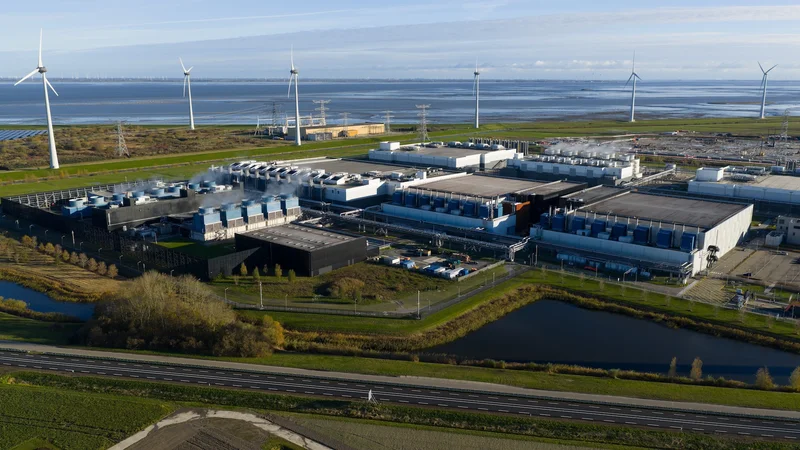
High-Power System Design Is Being Rewritten
Artificial intelligence (AI), cloud computing, and other accelerator-driven workloads are pushing power demands to levels that were never previously imagined. Enterprise data center operators are deploying server racks with higher power density within the same physical footprints used by the previous generations of the equipment. This rise in power demands with limited space is forcing engineers to reassess the way power is distributed within the systems.
At the same time, energy efficiency and operating cost remain critical design drivers, as they have always been. Power losses, thermal inefficiencies, and mechanical complexity affect the long-term operating expenses and sustainability goals. As the power level increases within racks, even small opportunities for improving efficiencies can compound into meaningful gains across large deployments.
Considering all these factors, power delivery is no longer just a matter of supplying more current. It is about managing tightly coupled constraints, including power density, heat generation, mechanical tolerances, and long-term reliability. It requires a systematic re-evaluation of the power system, from high-power distribution all the way down to tiny interconnects.
From a business perspective, technical decisions related to the power distribution and utilization have wide-reaching implications, as they affect capital expenses related to copper usage, cooling infrastructure, and redundancy requirements. They have a direct impact on the deployment timelines, serviceability, and scalability of systems over time.
High-power system design is being rewritten to cater to immediate power needs, support growth, and operational efficiency as computing technologies undergo massive transformations.
Challenges in High-Power Data Centers
Data centers provide a clear reference architecture for understanding the challenges of high-power system designs. As power levels at server racks keep increasing, engineers must address the electrical and mechanical constraints within fixed physical envelopes and cost constraints.
Increasing Current vs. Increasing Voltage
Power can be scaled by either increasing the voltage levels or the current delivered. One of the most fundamental challenges in high-power data center design is deciding which approach to take. Increasing current levels can make voltage conversion easy but requires larger conductors and leads to more heat generation. Alternatively, increasing voltage levels improves efficiency but introduces new requirements related to insulation, safety, and fault management.
Thermal Rise at Interconnect Interfaces
As the current density increases, interconnects such as cable terminations, connectors, and busbars become localized heat sources. Thermal rise at these interfaces may increase their resistance, reducing the allowable current and the component lifespan. Managing heat at the interconnect level is therefore a critical part of the overall thermal design for data centers.
Mechanical Constraints and Tolerance Management
Tight spacing in high-density rack environments increases sensitivity to tolerance stack-up, misalignment during installation, and mechanical stress during servicing. Power interconnects used in such deployments must support float, gatherability, and blind-mate operation while maintaining a consistent and predictable electrical performance.
Serviceability and System Evolution
Post initial deployment, data center power architectures must be easily serviceable and should support future upgrades. Interconnects that complicate installation, restrict access, or require precise alignment every time drastically increase operational risk. As power requirements go up in data centers, the architecture must evolve to be able to scale without extensive rework at the interconnect level.
Architectural Implications
These challenges have all contributed to architectural shifts within data centers. Busbar-based power distribution is increasingly favored for high-current paths; modular power shelves and sidecar architectures separate power generation from IT loads, and higher levels of integration are required between connectors, cables, and busbars. In this context, point solutions such as optimizing a single connector or a cable are insufficient. Effective design involves taking decisions that align with the overall power architecture and mechanical requirements of the system.
From Components to Systems: A Holistic Power Interconnect Strategy
As power levels keep increasing, reliability in high-power systems emerges from how different components, such as the connectors, cable assemblies, busbars, mechanical interfaces, and cooling systems, function together as an integrated system. Treating the components in isolation often leads to late-stage design challenges, thermal bottlenecks, and mechanical integration problems that are too difficult to resolve.
A system-level approach to power interconnect design starts with identifying how power flows through the architecture. This involves tracing high-current paths, transition points between the distribution stages, and areas where electrical performance might clash with mechanical and thermal constraints. Connector selection, conductor geometry, and mating strategies must all be evaluated for how they influence air flow, assembly process, and service access. This architecture-first thinking requires early alignment between electrical and mechanical design teams.
Managing Complexity Through Configurability and Modularity
When high-power systems get more complex, engineering teams are challenged by the gap between standard interconnect solutions and fully custom designs. While off-the-shelf components may fail to meet the exact electrical, mechanical, and thermal requirements of advanced power architectures, fully custom solutions may involve longer development cycles, higher costs, and increased validation efforts.
Configurability and modularity are the practical ways to manage this complexity. Rather than treating customization as a one-off effort, a modular interconnect approach lets engineers assemble solutions from predefined building blocks that can be adapted to specific requirements. This approach helps engineers manage current capacity, mechanical design, mating styles, and attachment methods without going for a new design from scratch.
From a design perspective, configurable interconnects are most valuable early in the design cycle of power systems. During conceptualization and layout stages, engineers working on the design can evaluate different power routing options, assess mechanical fit, and understand how interconnect choices affect the thermal behavior and serviceability of the facility. This early visibility into the process reduces the risks of late-stage redesign caused by overlooked constraints at the interconnect level.
Configurability is not a substitute for engineering judgment; it is a design enabler that supports faster interaction and decision-making while maintaining alignment with validated processes. When used effectively, modular interconnects help balance flexibility with reliability, allowing systems to scale with power requirements.
Molex & Sager Electronics: Enabling Better Design Decisions
Designing high-power interconnect architectures requires access to capable components. It also requires effective translation of system requirements into practical, manufacturable solutions early in the design cycle. This is where the collaboration between technology providers and power-focused specialists acts as a critical enabler.
Molex is a leading manufacturer of connectivity technology and has a deep expertise in high-power interconnects. The brand has a large portfolio of connectors, cable assemblies, and busbar solutions. The strong technical foundation is complemented by decades of experience in standards-aligned architectures, global manufacturing capabilities, and investments in next-generation power technologies. With these capabilities, Molex supports a wide range of power levels, mechanical configurations, and application environments.
Sager Electronics is a distributor of interconnect, power, and electromechanical products, and a custom solutions provider playing a distinct and complementary role by working closely with design engineers dealing with high-power challenges. Sager’s team of experts help engineers explore how interconnect choices affect system layout, thermal performance, sourcing strategy, and deployment timelines.
The result is a more effective design process where system requirements are clarified sooner, and interconnect strategies are aligned with both technical and operational goals.
For engineering teams, this collaboration supports clear decision-making and faster iteration cycles. For managers and leadership, it translates to shorter time to market, lower redesign risk, and more predictable system performance. By reducing the friction between design, sourcing, deployment, and maintenance, Sager and Molex enable power architectures that serve today’s demands of high-power industries such as data centers and are ready for upgrades in the future.
Case Study: High-Power Data Center Power Distribution Using Molex Solutions
The objective of taking data centers as a reference is to illustrate how a system-level approach to power distribution can enable high-power density while maintaining efficiency, reliability, and serviceability. This case study represents a reference architecture rather than a single deployment, reflecting common design patterns observed in modern hyperscale data centers.
Data Center Power Architecture Overview
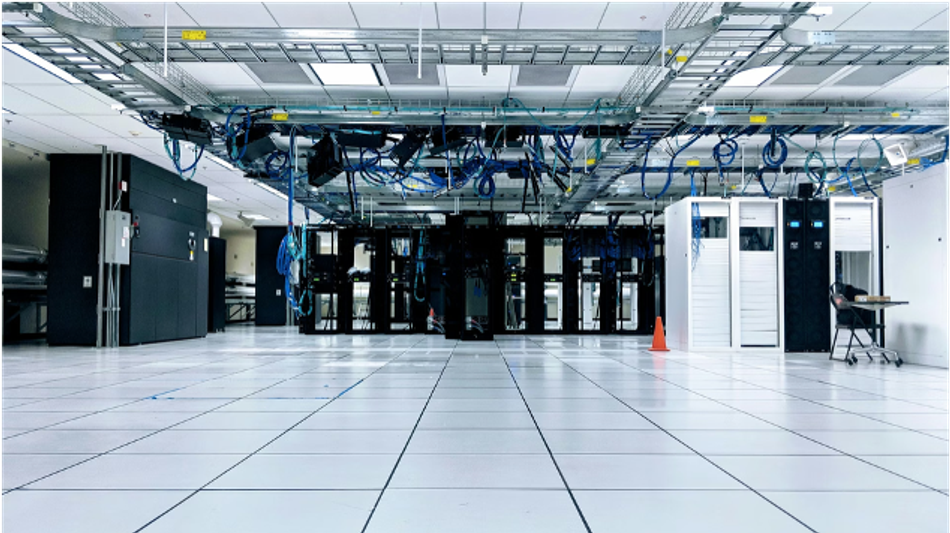
Modern high-power data center architectures are largely shaped by the needs of hyperscale operators, requiring massive compute deployments, rapid scaling, and tight efficiency targets. They place immense dependence on power infrastructure. In this environment, power generation, conversion, and distribution are separated from IT loads through the use of dedicated power shelves or sidecar power racks. This separation reduces congestion within IT racks, simplifying thermal management and allowing power infrastructure to scale independently of compute resources. This approach enables faster deployment across large facilities.
This aligns with Open Compute Project (OCP) ORV3 principles, using busbar-based distribution supporting high-current delivery with low resistance. While a lot of hyperscale deployments operate at 50 VDC at the rack level, operators are actively evaluating the transition towards HVDC architectures, such as ±400 VDC or 800 VDC. Modern data centers are therefore designed with a staged roadmap in mind, supporting low-voltage distribution while maintaining enough headroom for an upgrade to HVDC systems in the future.
Power Shelf-Level Interconnect Strategy
At the power shelf level, interconnects must support high continuous current, have a high mechanical tolerance during installation, and offer reliable operation over repeated service cycles. The interconnect should also offer decent float, gatherability, and blind-mate capabilities.
Power shelf interconnect solutions designed for ORV3 architectures are optimized for low resistance and offer consistent electrical performance at high current levels. Integration with OCP-compliant busbars enables efficient transfer of power while minimizing voltage drop across the interface. Instead of reducing copper usage, the focus of this design is to create a robust, low-loss current flow path and manage thermal rise through conductor geometry.
Busbar-Based Rack Power Distribution
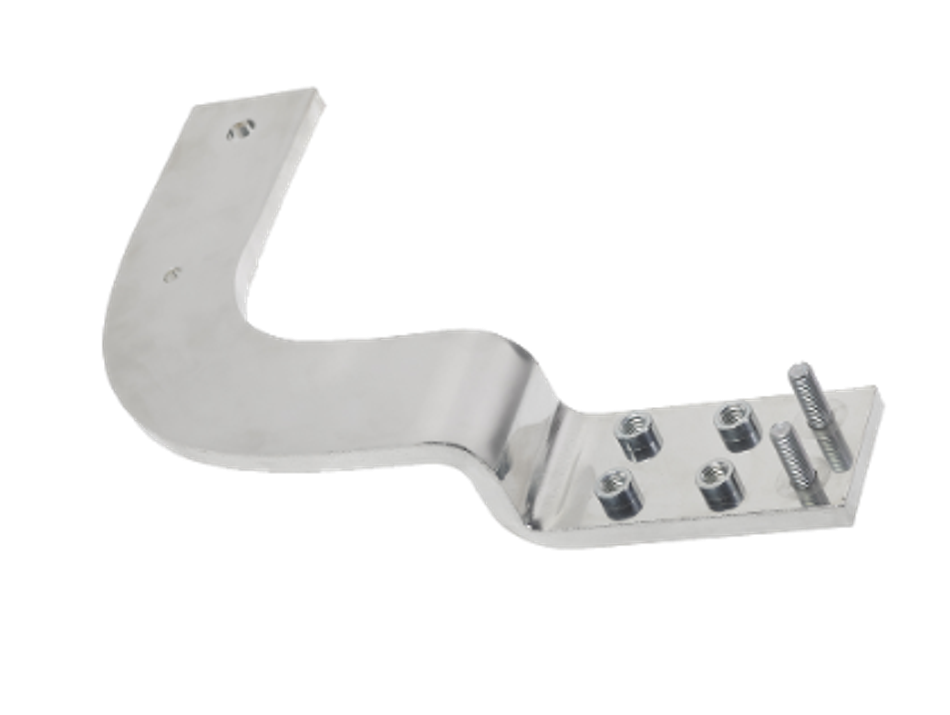
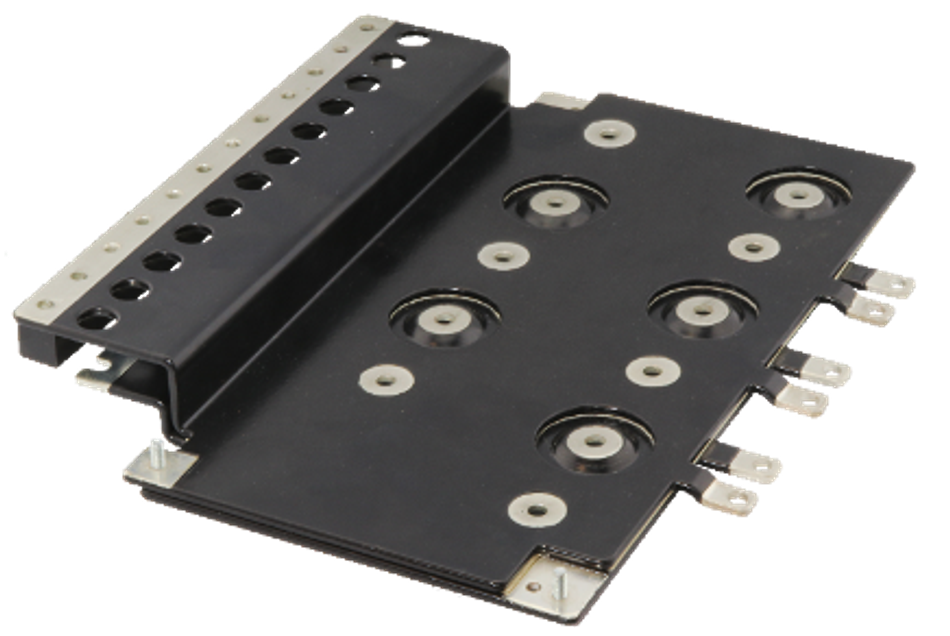
Busbars are the backbone of high-current power distribution in modern hyperscale data center racks. Compared to point-to-point cabling, busbars offer more direct current paths with reduced resistance and improved mechanical stability. These characteristics are important as rack power levels increase and tolerance margins decrease.
What is a busbar? | What are the benefits of using busbars? |
| Solid metal conductor for power distribution | Low resistance for efficient power flow |
| Typically made with Copper or Aluminum | Better heat dissipation |
| Designed to carry high current | Strong, stable mechanical structure |
 |  |
While busbars carrying high amounts of current contain substantial copper to support required current levels, their advantage lies in electrical efficiency, thermal stability, and mechanical simplicity rather than material reduction. As systems move more towards HVDC distribution, systems could move to lower current requirements at equivalent power levels with reduced conductor size and mass. In the near term, busbars provide a scalable foundation that supports both current and future plans.
Molex provides busbar solutions engineered for high current distribution in dense power architectures. The offerings include rigid, laminated, and flexible busbars with multilayer busbar designs to support the increasing power demands. A key advantage of Molex busbars is that they can be easily integrated with their broad portfolio of busbar connector solutions.
| Molex Rigid Busbars | Molex Flexible Busbars | Molex Laminated Busbars | |
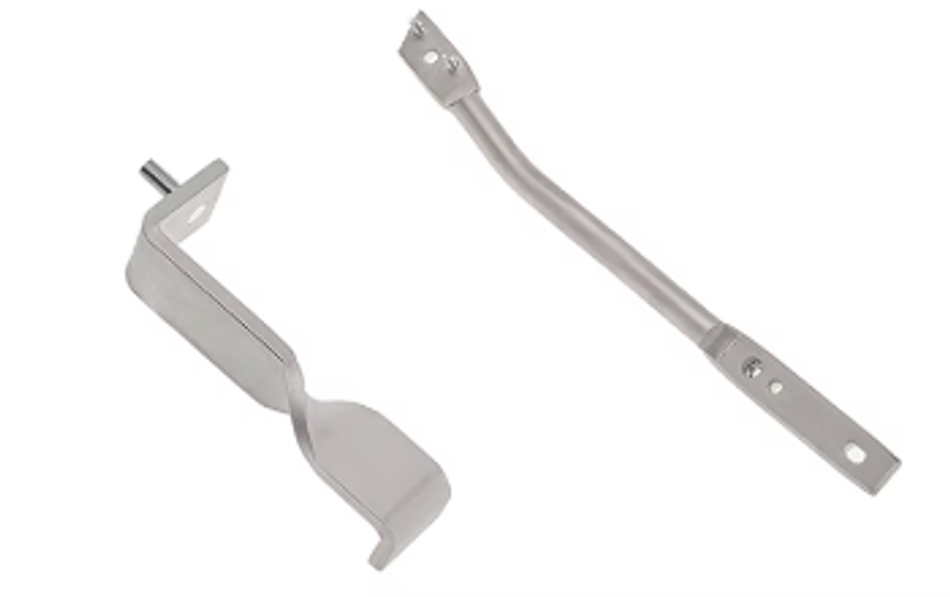 | 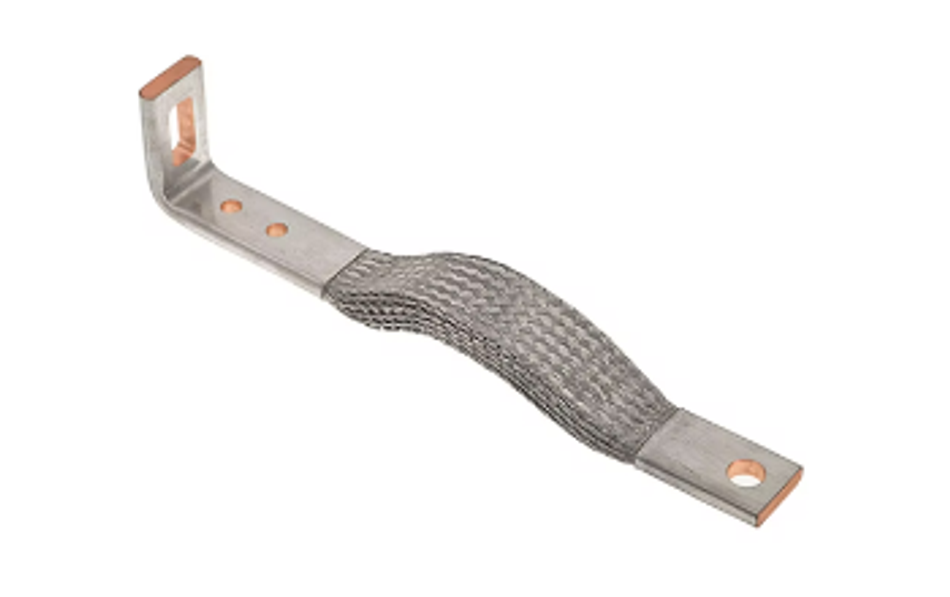 | 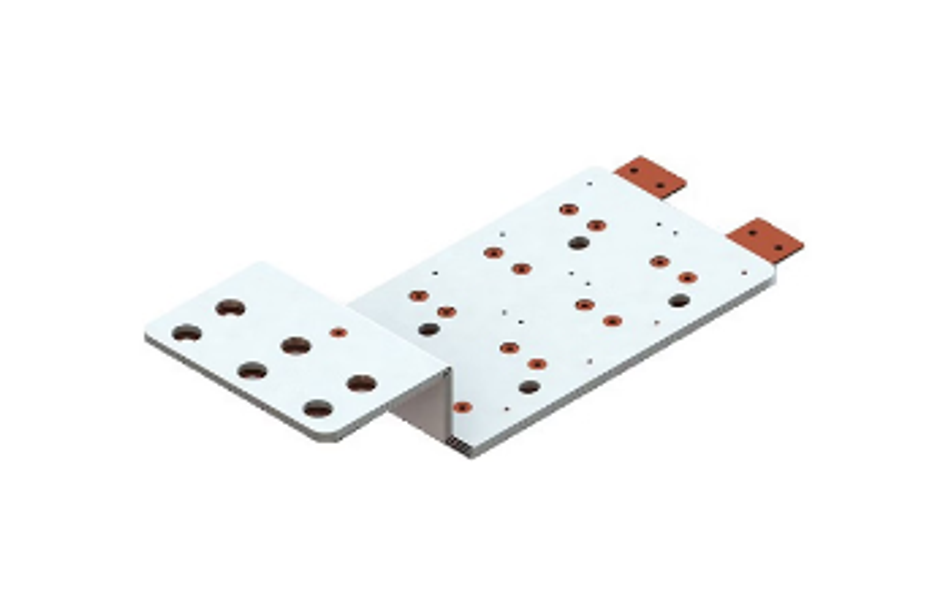 | |
Solid conductors providing a stable and low-resistance power distribution for fixed layouts. | Multi-strand or layered conductors that support movement and misalignment | Multi-layered conductors bonded with insulation to reduce impedance and improve heat dissipation. |
IT Gear Power Entry and Distribution
At the IT rack level, power interconnects must deliver high current within extremely confined spaces. The connector footprint, cable routing, attachment, and various other factors influence thermal performance and serviceability. Slim power interfaces, side-exit designs, and multiple attachment options allow power delivery to be tailored for server layouts without compromising electrical performance.
Molex PowerPlaneTM OCP ORV3 Power Shelf & IT Gear Cable Assemblies | Molex UltraWizeTM Connectors | Molex SW1TM Interconnects | |
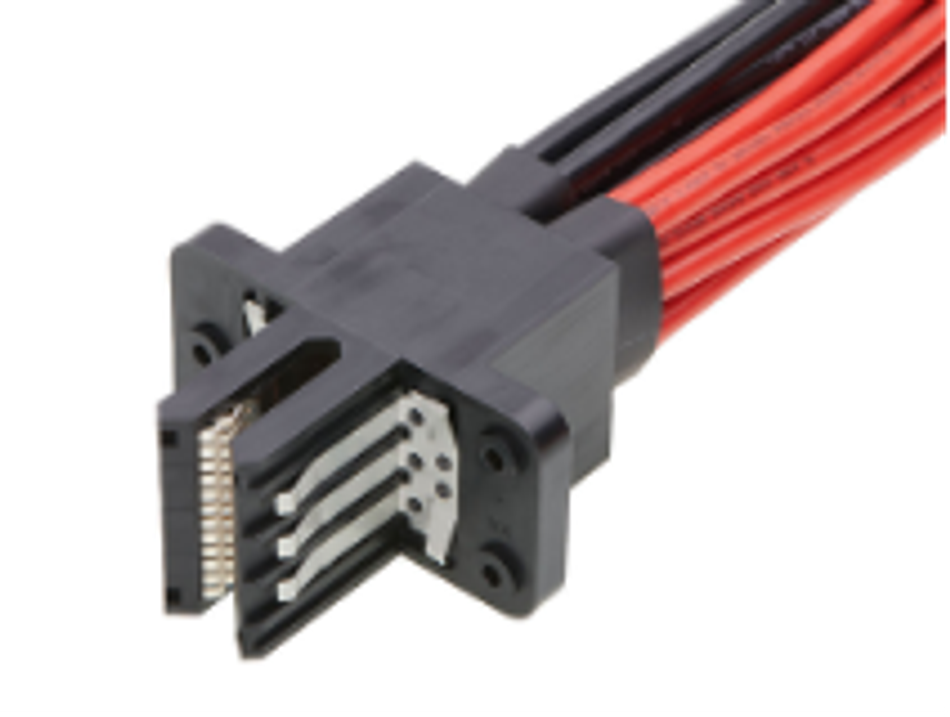 | 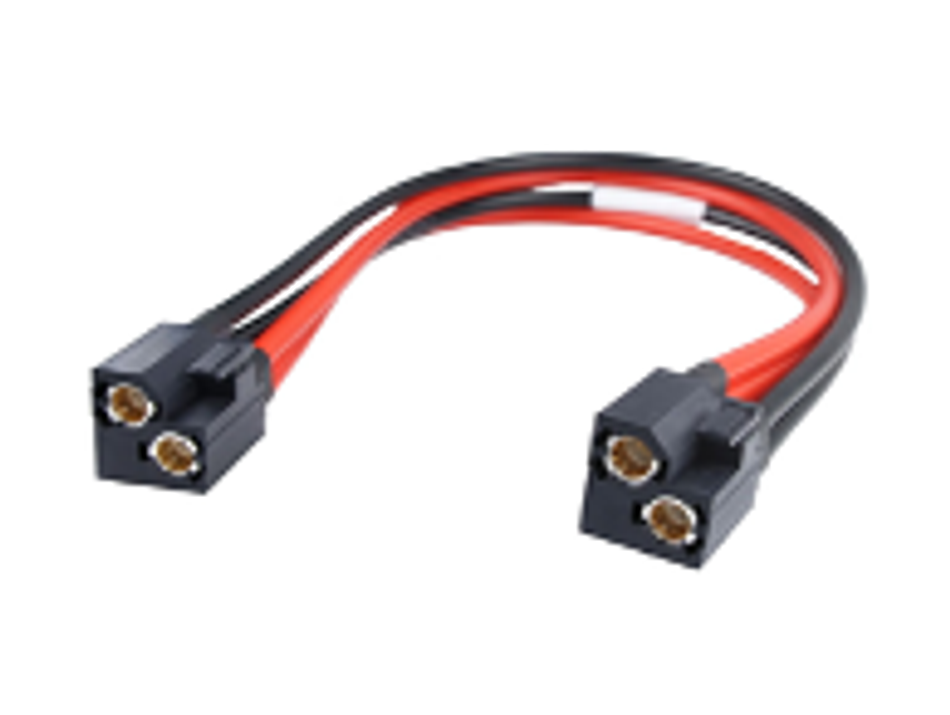 | 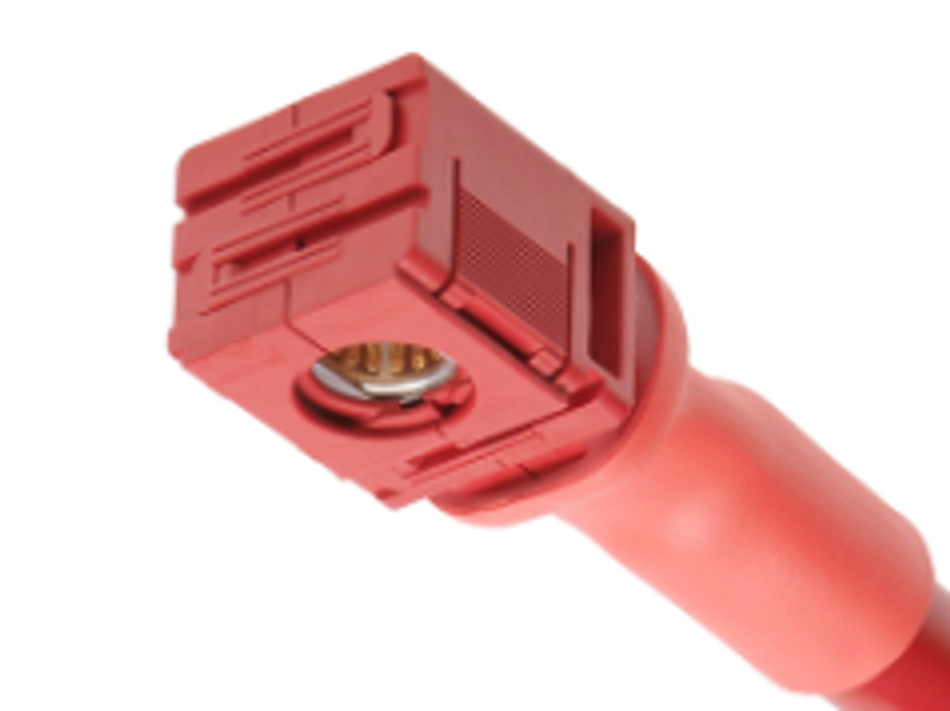 | |
High-current cable assemblies designed to be compatible with OCP ORV3 architectures, enabling efficient and low-loss power transfer between busbars, power shelves, and IT equipment | Connectors and cable assemblies engineered for data center applications; reduced contact resistance, voltage drop, and heat generation with high current capability, in a compact form factor | Wire-to-board/wire-to- busbar interconnects with features like quick-connect, pinch-to-release, and 360° rotation |
Thermal Management and Liquid-Cooled Power Distribution
An increase in power density is almost always accompanied by thermal challenges. Air- cooled conductors and interconnects approach their limits as the increased current levels induce localized heating at contact interfaces and along busbar paths. Even with the best optimized airflow, temperature rise can restrict current and require increased conductor cross-section, which is not possible in most deployments.
Liquid-cooled power distribution, including liquid-cooled busbars and interfaces, is emerging as a practical solution to extract heat directly from the source. This enables continuous current delivery without increasing the dimensions of the electrical systems.
Preparing for Next-Generation HVDC Architectures
The current data center power architecture predominantly relies on ~48-54 VDC distribution at the rack level. It forms a mature ecosystem of power supplies, connectors, and protection schemes. But as power levels increase, scaling delivery through increasing current gets constrained by conductor size, resistive losses, thermal rise, and mechanical integration challenges.
To solve these issues, the industry is gradually moving towards HVDC systems distributing power at ±400 VDC and 800 VDC. This shift reduces I2R losses in conductors and interconnects, enabling higher efficiency in power distribution within the facility. It also helps simplify power conversion stages, reducing the number of AC-DC and DC-DC conversions between grid input and the load.
In practice, many data center operators are evaluating staged transition, where HVDC is introduced upstream in sidecar or power racks, while low-voltage DC remains close to IT loads.
Molex EXTremeTM Power Products |
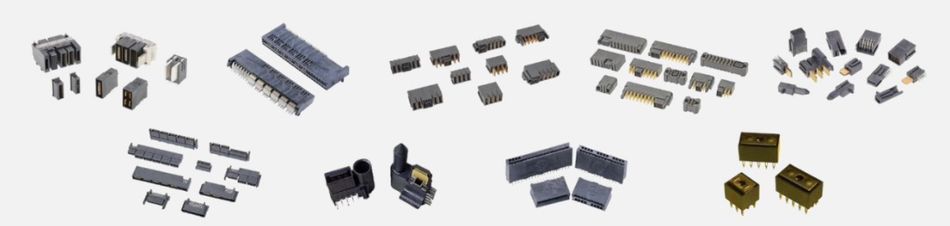 |
| Molex EXTremeTM is an industry-leading interconnect portfolio supporting high-current and power in compact designs. The products are ideal for dense power environments requiring exceptional thermal management capabilities. Interconnects are available in an extensive range of configurations so that customers can evolve seamlessly. |
Extending the Design Principles Beyond Data Centers
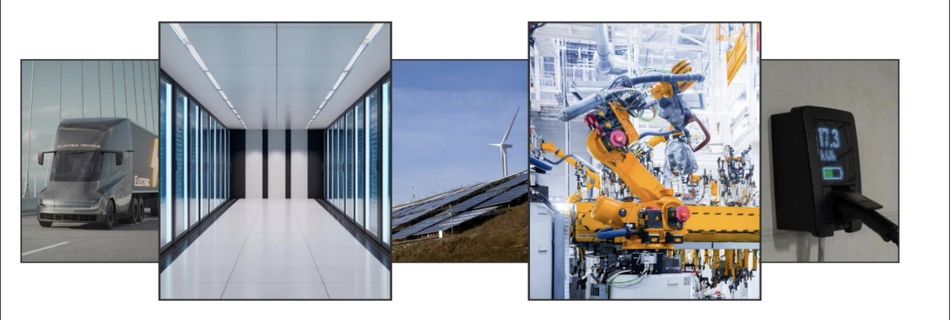
Challenges addressed by high-power interconnect and distribution architecture extend beyond data centers. Many industries experience similar increases in power density, system complexity, and reliability issues, driven by rapid electrification, automation, and energy efficiency goals.
Here are some examples where similar design principles are applicable:
- Battery Energy Storage Systems (BESS): BESS require interconnects to routinely handle high current with high voltage. As interconnects are present between battery modules, busbars, inverters, and power conditioning components, there is a dire need to balance compact packaging, thermal management, and fault containment while enabling scalable system expansion and long-term serviceability.
- Electric Vehicles (EVs): High-power EVs and their charging systems require power conversion at a number of stages. EV platforms operate at elevated voltage and current levels, which place a very strict demand on safety, insulation, and overall robustness. Interconnect architectures must support the repeated mating cycles, have a controlled fault behavior, and have efficient thermal performance. Having a configurable interconnect platform lets designs adapt to different voltage classes, installation requirements, and regional standards without redesigning from scratch.
- Industrial Automation and Robotics: Industrial systems bring challenges like dense power distribution, continuous operation, and frequent maintenance. Robotics, conveyors, automated assembly equipment, etc. all require compact interconnects that tolerate vibrations, misalignment, and repeated servicing.
Early system-level planning, modular and configurable interconnects, and careful mechanical integration are the key to reliable high-power system design, regardless of application domain.
Conclusion
High-power system design is becoming a defining challenge across modern infrastructure. As power density increases and mechanical, thermal, and physical margins tighten, interconnects and distribution systems play a critical role in ensuring system performance, reliability, and scalability.
Success in high-power design stems from architectural thinking rather than isolated component selection. Modular and configurable interconnects, when paired with the right distribution system, provide the means for data centers to support the growing AI- driven workloads.
Combining the high-power interconnect and distribution technologies from Molex with Sager’s deep-rooted expertise in power management, engineering teams can shorten development cycles and design power architectures that meet today’s demands while remaining ready for what comes next.
Check out the full Molex solution set, or contact the technical team at Sager via this short-form for application-specific support.