A Practical Guide to Selecting Medical Power Supplies
Medical devices require critical reliability, application-specific criteria, and its own unique set of constraints. This guide explores power level, form factor, and care settings for medical devices.

28 Sep, 2026. 7 minutes read
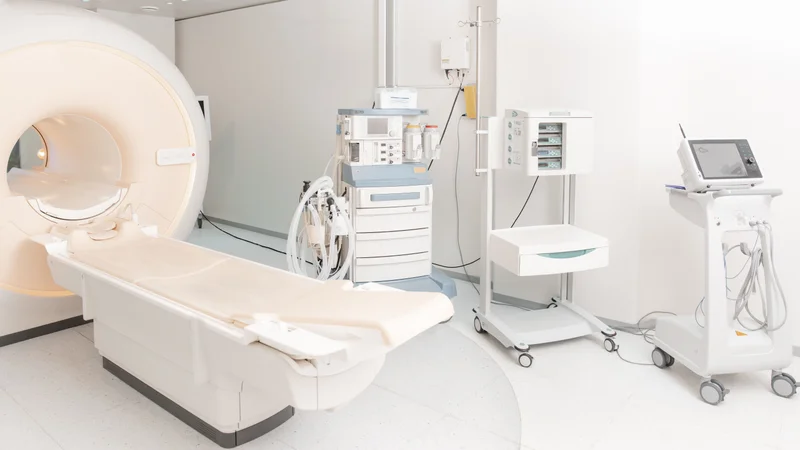
For medical device makers, not all medical-grade IEC 60601-1 certified power supplies are created equal for every application. For example, a certified supply that works well for a CT scanner might not work for a home nebulizer, and vice versa. Therefore, finding the right power supply means considering application-specific criteria such as care setting, patient proximity, power level, emissions, and form factor.
Together with its distributor, Sager Electronics, Bel works directly with customers to match its medical power portfolio to each care setting. That way, medical device manufacturers always get the right power wherever care happens next.
Medical-Grade Is Not One Specification
Medical-grade is often a catch-all term, but, in practice, there is no one-size-fits-all power solution for medical devices. Because many requirements vary by application, medical device makers need to dig deeper to determine whether a “medical-grade” power supply will work for their use case.
One important consideration for designers is how their device will come into contact with the patient. Each part of the device requires its own safety class based on how directly the part enables electricity to flow into the patient. Using the strictest safety class on their device, designers can determine how much isolation they need between the mains and patient circuit. For example, a cart-mounted display may only need minimal isolation, while a catheter-based pressure monitor with a direct cardiac connection could entail much stricter isolation requirements. While designers can build this isolation in themselves, the easiest path is to find a power supply that already provides the necessary isolation level.
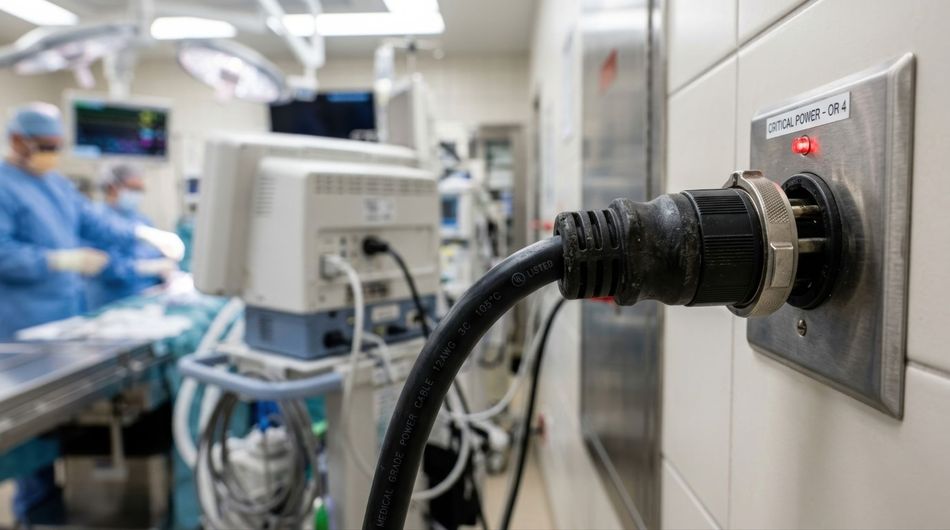
Designers should also consider how much power their device needs. Medical devices can cover a broad range of power levels, from a few watts for a wearable monitor to several kilowatts for an imaging system. While a device’s function is the main determinant for its power level, designers can use the device’s care setting to determine its power ceiling. Within those ceilings, designers can expect each care setting to have the following power levels:
Home and telehealth devices typically occupy the low end of the power range, where most use small external adapters.
Clinical equipment spans the widest power range, from tens of watts to several kilowatts, depending on the device.
Diagnostic and imaging systems occupy the high end of the power range, consistently operating at 500 W or above, with most using larger internal power supplies.
The power supply form factor is also important for designers. A device’s power level commonly determines the supply form factor, with low-power portable devices mostly using batteries, and high-power systems mostly using internal supplies. However, there are exceptions to this practice where designers may need an external supply for a high-power system because the chassis is too small.
Because of each system’s unique requirements, designers are rarely able to find a single off-the-shelf power supply that meets their needs perfectly.
Compliance Sets a High Bar
Before they can find the right power supply, medical device manufacturers need to sort out which standards their device must meet.
The governing standard for medical electrical safety is IEC 60601-1, but it doesn’t operate in isolation. Instead, it sits at the top of a stack of standards, including those that cover emissions and home use, as well as those that cover specific device types. To comply with IEC 60601-1, device makers need to ensure their devices meet two levels of safety requirements: one for operator protection and another for patient protection. Device manufacturers often choose a power supply to meet patient protection levels due to the stricter requirements.
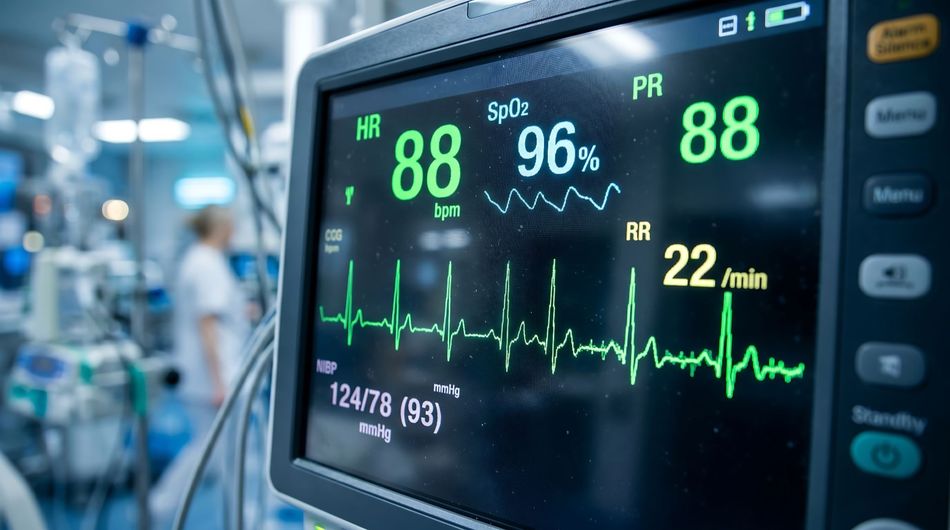
Providing proper isolation for patient-contact devices requires designers to meet two means of patient protection (2 MOPP) and means of operator protection (2 MOOP). For example, at 250 V working voltage, 2 MOPP requires 8 mm of creepage and a 4,000 VAC dielectric test, and 2 MOOP requires 5 mm of creepage and 3,000 VAC. This level of isolation goes beyond what any general-purpose industrial power supply can offer.
In addition to isolation, medical power supplies need to manage leakage current to offer adequate patient protection. Even a barrier that holds off 4,000 V could still leak enough current to put the patient at risk. Under the strictest safety class, Type CF, devices must demonstrate patient leakage of less than 10 µA under normal conditions.
Beyond safety, medical device manufacturers are also required to manage device emissions. The primary emissions standard is defined by IEC 60601-1-2. It points to CISPR 11 for specific limits and defines two classes. Class B covers equipment used in homes and anywhere fed by the network that supplies them, and Class A covers everything else. Because home medical devices and even some clinical ones fall under Class B, many designers look only for power supplies that meet this standard. Designers choose Class B supplies to avoid requalifications they may face with a Class A supply.
What Makes a Good Medical Power Supplier?
Covering the Full Medical Power Range
Due to the diversity of applications, medical device designers would benefit from working with a power supplier that covers the full range of medical power supplies, from small external adapters to multi-kilowatt internal supplies. Manufacturers that rely on one supplier would have fewer vendors to qualify and only one relationship to support.
Good suppliers will also offer device makers the appropriate form factor for their specific care setting and chassis constraints. For example, manufacturers can use such a supplier to find external desktop and wall adapters for home and telehealth loads, and open-frame or enclosed internal supplies for clinical and imaging loads.
The benefits of a single supplier extend to certification paperwork. When one supplier provides consistent safety certification paperwork for all products, manufacturers only need to learn the format once and can apply it to new products.
High Quality and Versatility
While a broad power portfolio makes a supplier more attractive, several additional factors would make it even better for a medical device manufacturer.
Class B certification: A supplier that certifies every medical supply to Class B would remove an emissions re-qualification risk from the device maker. Such a certification will help the manufacturer move the device from a clinical setting into a patient's home without a second round of testing.
High component quality: By using longer-life capacitors and leaving more margin on voltage and temperature, a power supplier can help protect devices that cannot fail in the field.
Low-volume modifications: If a supplier is willing to modify a standard model at low volume, it can greatly help device makers when they need a connector or an output rail that is unavailable on any stock power supply.
Flexible manufacturing footprint: Power suppliers with a distributed manufacturing footprint would help medical device makers source parts from outside a single region.
Bel’s Coverage: From Home to Imaging
Bel’s medical power portfolio covers all medical devices with a range of products from small external adapters up to kilowatt-class internal supplies. With Bel’s products distributed by Sager, medical device manufacturers can design and produce new devices from scratch without changing suppliers or restarting qualification.
For low-power home and telehealth devices, Bel produces external power adapters. Manufacturers designing low-power devices like nebulizers and home monitors need a power adapter small enough not to dominate the device, quiet enough for a bedroom, and safe enough for users with no clinical training. Bel’s external adapters deliver all of these features by keeping the mains connection and its heat outside the device enclosure.
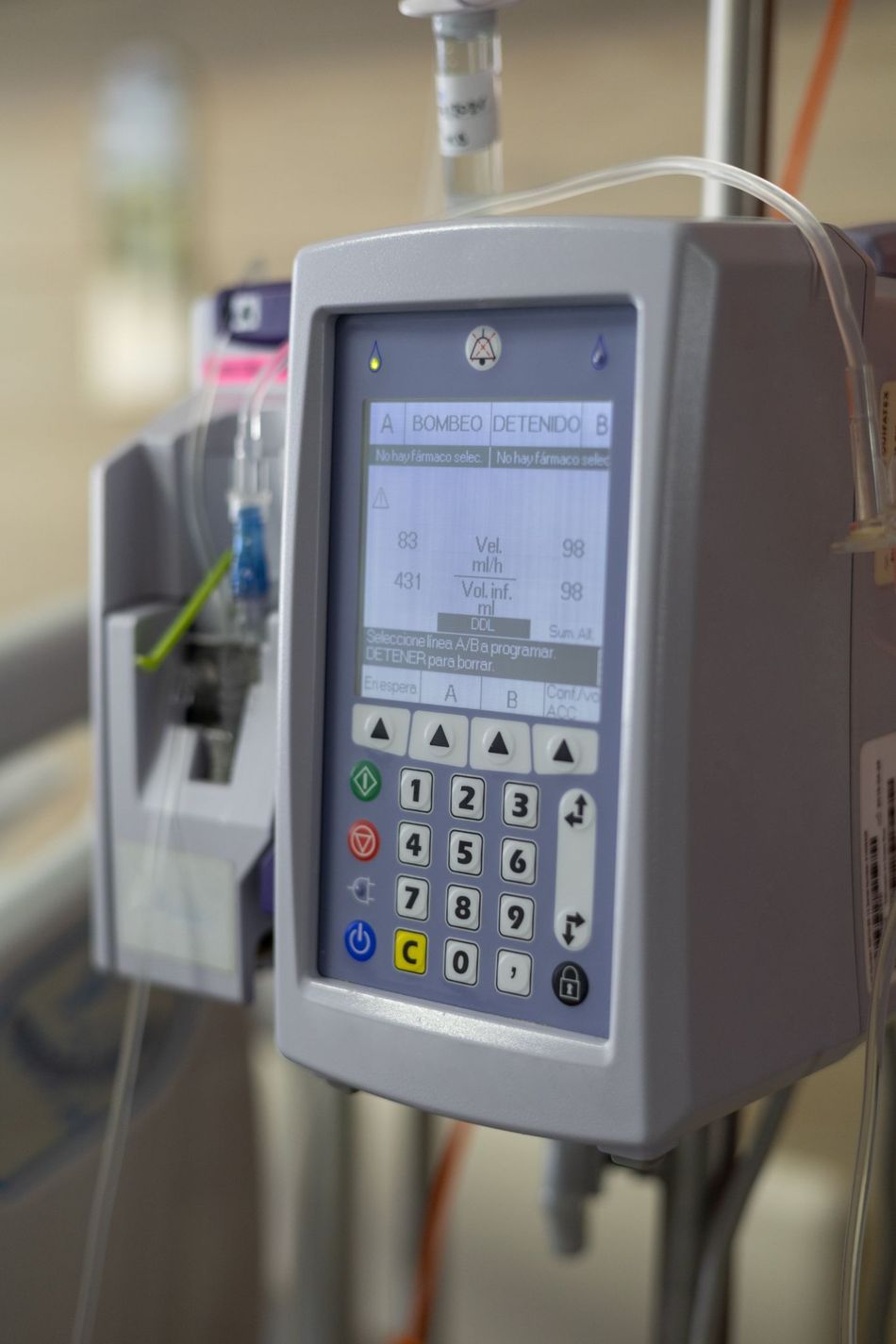
To accommodate clinical equipment with a wide range of power levels, Bel offers internal power supplies ranging from 25 to 5,000 W, sufficient for most hospital-floor equipment, from infusion pumps to sterilizers. In addition to finding the right power level, equipment manufacturers can choose an open-frame or enclosed supply to match their enclosure’s existing thermal and mechanical protection.
For high-power diagnostic and imaging systems, Bel provides internal power supplies at 500 W and up. These internal supplies enable manufacturers to handle both average and peak loads on high-power equipment, such as larger gantries and detectors that consume kilowatts at a time.
Competitive Advantage: Bel and Sager Electronics’ Partnership
In addition to accessing a diverse power portfolio, medical device manufacturers benefit from Bel’s commitment to high-quality, versatile products. For example, the company prides itself on
All medical power supplies are certified to Class B, so designers can move a device from the clinic into the home without re-testing emissions.
Using higher-grade components and wider design margins in all medical supplies helps clinical and imaging systems stay reliable in the field.
Bel takes on the low-volume modifications and custom builds that other vendors decline, providing solutions for device makers when a standard supply comes close but is not an exact match for their application.
Bel’s flexible manufacturing footprint helps buyers source parts outside China.
As North America's leading power supply distributor, Sager offers all medical NPIs across Bel’s brands. Sager’s Power Systems Sales Engineers bring extensive knowledge of emerging medical certification requirements, helping customers meet product classification and compliance standards. In addition to Bel’s modification and custom build capabilities, Sager is ISO 13485:2016 certified and offers power design and assembly services for medical devices in its Custom Solutions Center in Lewisville, Texas.
Sager pairs that technical expertise with a disciplined stocking strategy to improve product availability and mitigate lead times. Sager’s commitment to and discipline in inventory management help customers make quick turns for their programs.
Ready for Where Medical Care Goes Next
Each medical device has its own unique set of constraints, whether that’s power level, form factor, or care setting. For a smoother program with fewer unexpected costs and delays, manufacturers should find the right power supply to match their device’s constraints from the outset.
Explore the full portfolio of Bel power solutions available at Sager Electronics, or contact the technical team at Sager via this short-form for application-specific support.