How CNC Machining Speeds Up Medical Device Development
In fast-paced healthcare, speed and precision are vital. CNC machining delivers unmatched accuracy, flexibility, and rapid turnaround for medical device development.

12 Nov, 2025.
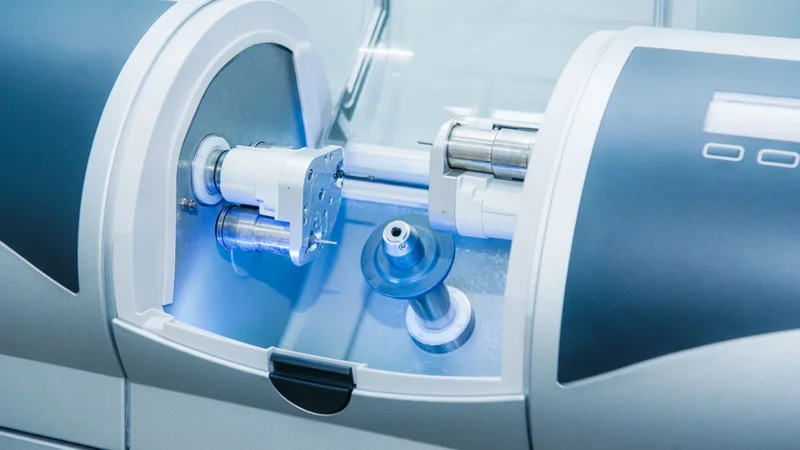
In today’s fast-moving healthcare industry, speed and precision are everything. When developing new medical devices, every second counts — from early design validation to regulatory testing. That’s where CNC machining comes in, offering an unmatched combination of accuracy, flexibility, and turnaround speed.
The Growing Need for Faster Medical Device Development
Medical innovators constantly face tight deadlines. Whether it’s a surgical tool, diagnostic device, or implant component, bringing a concept to life quickly can determine market success. Traditional manufacturing methods often struggle to meet the time and accuracy demands of the medical industry.
CNC machining solves this challenge by allowing engineers to create fully functional medical components from real production-grade materials within days, not weeks.
Why CNC Machining Is a Game-Changer for Medical Device Development
Unmatched Precision for Complex Designs
Medical devices require microscopic accuracy. CNC machining allows tight tolerances and flawless surface finishes, making it ideal for surgical-grade components or high-precision housings.Material Flexibility
From stainless steel and titanium to PEEK and medical-grade plastics, CNC machining supports a wide range of materials used in the healthcare industry. This flexibility enables testing under real-world conditions.Fast Turnaround for Development
Once a CAD model is ready, CNC machining can produce finished parts within hours. This dramatically shortens the product development cycle, accelerating clinical testing and market readiness.Seamless Design Iterations
Medical device development often requires multiple design revisions. CNC machining enables quick adjustments and re-runs without major tooling costs, helping engineers refine designs efficiently.Scalability from Development to Production
With CNC machining, it’s easy to move from initial parts to low-volume production. The same CNC setup can produce identical parts with consistent quality, ensuring smooth scalability.
Real-World Applications in Medical Manufacturing
CNC machining is widely used to manufacture:
Orthopedic implants and surgical instruments
Custom enclosures for diagnostic devices
Catheter components and surgical fixtures
Dental and prosthetic devices
These parts often require exceptional biocompatibility and precision — qualities that CNC machining delivers consistently.
Why RPWORLD Is the Preferred Partner for Medical CNC Machining
At RPWORLD, innovation meets accuracy. With years of experience in CNC machining for medical devices, RPWORLD helps manufacturers develop high-quality parts using advanced machining technologies. Our expertise ensures every component meets exact design and material specifications while reducing time-to-market.
Visit RPWORLD CNC Machining Service to explore how our medical-grade CNC solutions can accelerate your next medical device project.