The Future of Transport Logistics: How Real-Time Asset Visibility Is Transforming Supply Chains
Engineering smarter logistics through asset visibility, operational intelligence, and connected tracking systems.

01 Oct, 2026. 5 minutes read

Transport logistics networks are becoming increasingly complex as global freight movement, rail operations, warehouse management, and distribution networks now involve multiple assets, locations, and stakeholders that must all operate together seamlessly. At the same time, businesses expect faster deliveries, improved reliability, and greater transparency across supply chain operations.
One of the biggest challenges facing modern logistics is limited visibility across transportation assets. Companies often struggle to track containers, trailers, pallets, and other equipment throughout different stages of movement. These visibility gaps can lead to delays, asset downtime, inefficient utilization, and additional operational effort.
Traditional logistics management often relies on delayed updates and manual coordination. The industry is now moving toward connected systems that provide real-time information through IoT-enabled tracking, digital visibility platforms, and connected supply chain solutions. This shift allows organizations to move from reacting to problems to making proactive, data-driven decisions [1].
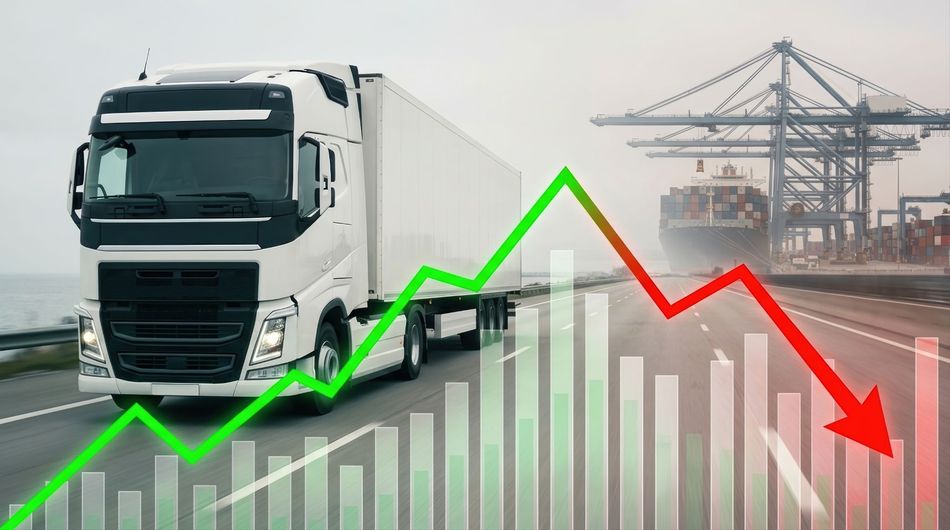
The Hidden Cost of Limited Asset Visibility
Operational Challenges
Limited asset visibility creates challenges across logistics operations. When companies cannot quickly locate their containers, trailers, or other transport assets, teams spend additional time searching for equipment and coordinating manually. This reduces operational efficiency and increases the complexity of daily logistics management.
Communication between warehouses, carriers, and logistics partners also becomes more difficult when accurate information is unavailable. A lack of real-time data can delay responses to unexpected disruptions and make it harder to manage changing transportation conditions [2].
Financial Impact
Poor visibility creates financial pressure. Organizations that under-utilize their assets may require additional backup assets because equipment is not being used efficiently or cannot be located when required. Idle assets, inefficient movements, and manual tracking activities can increase operational costs.
Limited visibility can also affect customer experience. Delays, inaccurate delivery information, and reduced shipment transparency can impact customer confidence and service reliability [3]. On the other hand, real-time visibility can be advantageous to a business’s customer service capabilities.
Supply Chain Impact
Complex supply chains depend on accurate information. Without visibility into asset movement and availability, organizations face difficulties with capacity planning, identifying bottlenecks, and improving logistics decisions.
Real-time asset information provides the foundation for understanding how resources are used and where improvements can be made.

Why Real-Time Visibility Is Becoming a Logistics Priority
Moving Beyond Traditional Tracking
Traditional tracking methods mainly provide location information, but modern logistics operations require deeper operational insight. Companies need to understand not only where assets are located but also their movement, availability, and condition, as well as how they affect overall supply chain performance.
The transition from manual tracking methods to IoT-based solutions enables logistics teams to access real-time information and make faster decisions. This helps organizations identify potential disruptions earlier and respond before they affect operations [4].
Key Visibility and Performance Metrics
Real-time visibility becomes valuable when organizations can measure and analyze operational performance. Important visibility and performance indicators include:
Asset location accuracy
Asset utilization rate
Transit time performance
Delivery reliability
Asset availability
Idle time measurement
Movement history analysis
Operational efficiency improvements
Cost per shipment or transport cycle
These metrics help organizations understand how effectively they manage transportation assets. Accurate visibility data allows companies to identify inefficiencies, improve planning, and make better decisions across logistics operations.
Business Impact of Real-Time Visibility
Real-time asset visibility creates benefits beyond tracking. Better information supports improved logistics planning, more effective resource allocation, reduced asset downtime, and stronger supply chain resilience.
Organizations can also improve forecasting accuracy, increase customer transparency, and support sustainability objectives by using transportation resources more efficiently and reducing unnecessary activities.
Connected visibility platforms allow companies to manage assets more effectively and improve operational transparency. Better information can help organizations optimize transportation resources, improve customer communication, and support sustainability goals through more efficient operations [5].

Building Smarter Transport Networks Through IoT Asset Tracking
Connected Asset Tracking Systems
IoT-enabled asset tracking systems are becoming a foundation for smarter logistics operations. By combining sensors, connectivity, and digital platforms to provide real-time visibility into transportation assets. These systems allow organizations to monitor containers, vehicles, pallets, and other transport equipment while gaining insights into asset location, movement, condition, and availability. Accurate asset information helps logistics teams make faster decisions, improve coordination, and manage transportation resources more effectively [5]. G+D’s IoTgoⓇ Asset Tracking solutions support connected asset visibility by enabling organizations to monitor and manage assets across modern logistics environments [2].
Data-Driven Logistics Operations
Real-time visibility creates value when organizations convert tracking data into operational insights. Analyzing asset movement patterns helps identify inefficient processes, improve equipment utilization, respond faster to disruptions, and strengthen coordination among logistics stakeholders [3]. Access to reliable operational data enables companies to improve planning, optimize resource allocation, and make informed decisions that enhance supply chain performance
Improving Logistics Efficiency Through Real-Time Asset Visibility
IoT-Based Logistics Visibility
Connected visibility solutions are becoming increasingly important in modern logistics operations as organizations seek better control over complex transportation networks. Real-time asset information helps companies optimize resource usage, reduce unnecessary movements, improve operational transparency, and support more efficient logistics processes. These capabilities allow organizations to respond more effectively to changing supply chain requirements while improving overall operational performance [2].
Improving Rail Freight Through Digital Visibility
Making Rail Transportation More Efficient
Rail freight networks involve complex routes, distributed assets, and coordination between multiple stakeholders. Limited information availability can make it difficult to monitor freight assets, plan operations effectively, and respond quickly to changing conditions.
Digital visibility solutions help rail operators track freight assets throughout transportation routes and improve coordination with logistics partners. Better access to real-time information supports improved planning, increased efficiency, and more reliable freight operations [6].
Boosting Supply Chain Visibility and Operational Performance
Improved Asset Utilization
Transportation assets often move through multiple locations and operational stages, making efficient management challenging. Real-time visibility allows logistics teams to understand asset availability, identify gaps in equipment allocation, and improve how assets are assigned across operations. This supports better utilization of existing resources and reduces dependency on additional equipment [3].
Reducing Costs and Improving Sustainability
Operational inefficiencies often result from limited information about asset movements, delays, and resource usage. Visibility solutions help organizations identify where improvements can be made, enabling more efficient planning, reducing avoidable activities, and supporting sustainability efforts through improved resource management [2].
Enhancing Customer Experience
Customers increasingly expect accurate information about shipment progress and delivery status. Real-time visibility enables logistics providers to share more reliable updates, improve communication, and provide greater transparency throughout the transportation process [3].
The Future of Transport Logistics: From Visibility to Predictive Intelligence
The future of transport logistics is moving beyond tracking assets toward predicting logistics outcomes. Real-time visibility provides the foundation for combining IoT, analytics, automation, and artificial intelligence to support smarter decision-making.
Operational data can help organizations identify patterns, predict potential delays, and improve response strategies before disruptions affect supply chain performance. These capabilities can create more flexible and resilient logistics networks, making real-time asset intelligence an increasingly important competitive advantage [1].
Conclusion
Transport logistics performance is increasingly measured through visibility, reliability, and operational intelligence. Asset tracking solutions provide the foundation for connected supply chain management by helping organizations understand where assets are, how they are being used, and where improvements can be made.
Real-time data enables companies to improve efficiency, reduce operational challenges, and increase supply chain reliability. Solutions such as G+D’s IoTgo® Track-Solar, Track-Fleet, and Smart Label help organizations strengthen asset visibility across different logistics environments by supporting connected tracking and data-driven asset management. Future logistics networks will depend on accurate visibility, predictive capabilities, and connected asset management solutions to meet the demands of modern transportation operations.
References
Transit Tomorrow Sharath Muddaiah On Why Real-Time Asset Visibility Is Transforming Modern Logistics
https://transittomorrow.com/sharath-muddaiah-real-time-asset-visibility/Giesecke+Devrient (G+D) — IoT Logistics Visibility Cuts Costs & Emissions
https://www.gi-de.com/en/spotlight/digital-discoveries/iot-logistics-visibility-cuts-costs-emissionsGiesecke+Devrient (G+D) — Boosting Supply Chain Visibility and Efficiency
https://www.gi-de.com/en/spotlight/digital-discoveries/boosting-supply-chain-visibility-and-efficiencyGiesecke+Devrient (G+D) — IoT Asset Tracking Solutions
https://www.gi-de.com/en/digital-security/connectivity-iot/end-to-end-asset-trackingGiesecke+Devrient (G+D) — Smart Logistics and Asset Tracking Solutions
https://www.gi-de.com/en/industries/transport-logistics/transportation-logistics-servicesGiesecke+Devrient (G+D) — Visibility Makes Rail Freight More Efficient
https://www.gi-de.com/en/spotlight/digital-discoveries/visibility-makes-rail-freight-more-efficient