
Trusted Hands: Engineering Collaboration with Shadow Robot
Learn how Shadow Robot combines deep dexterous robotics expertise with transparent collaboration to move from concept to scalable manipulation systems.


Introduction
Robotics teams and industry leaders are increasingly facing a major challenge: delivering human-like dexterity in real-world systems. Dexterous robotic manipulation is shaping the future of medicine, manufacturing, entertainment, and home automation. As the advantages of human-like dexterity in robots become clearer, the gap between theoretical capability and practical technology has become increasingly visible. Bridging that gap requires technical skill, as well as transparent, trusted partnerships between technology creators and end users.
Shadow Robot is working to close this gap by helping organizations explore what is possible,
transform concepts into prototypes, and chart pathways to scalable solutions. Through a structured engagement model and a dexterity-first philosophy, Shadow turns complex, ambiguous problems into innovations that align vision with possibility.
This whitepaper shows how Shadow’s engagement model has been applied across diverse use cases, and that when engineering expertise is grounded in collaboration and repeatable frameworks, it enables organizations to overcome barriers in dexterity and manipulation. The aim of this whitepaper is to provide insight into Shadow Robot’s practical model for advancing dexterous robotics in new domains.
Shadow Robot: A Philosophy of Trust and Dexterity-First Engineering
Dexterous manipulation is one of the most difficult problems in robotics. There are few organizations that can deliver reliable dexterous robotic hardware, let alone translate it into practical solutions. Shadow Robot makes this challenge its focus and applies a combination of expertise in dexterous manipulation with a commitment to open, honest engagement. When organizations approach with a problem to solve, Shadow listens carefully, evaluates fit, and may even advise against collaboration if needs fall outside of Shadow’s focus. This trust-based philosophy positions Shadow as a trusted “pair of hands”, acting as a partner in co-discovery rather than a one-way service provider.
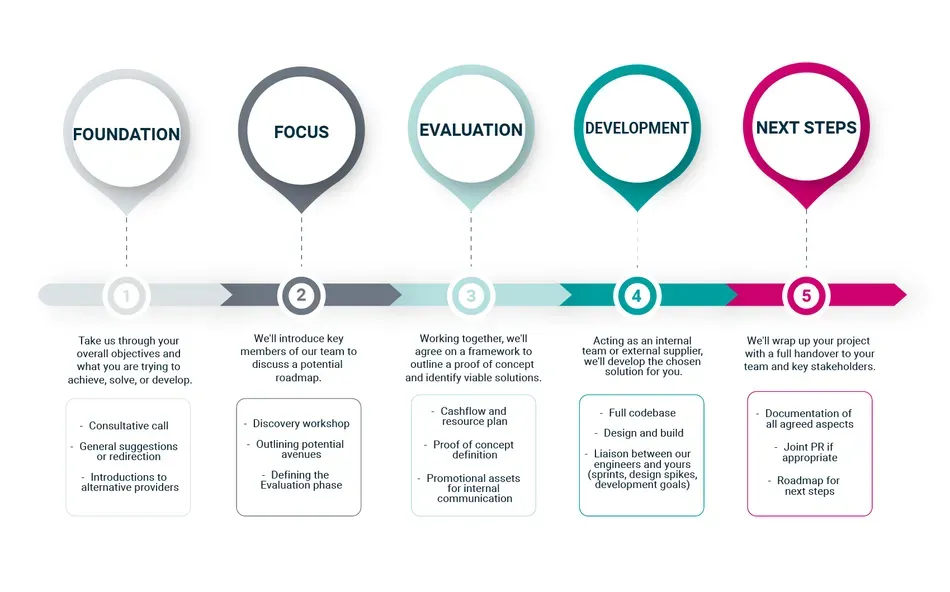
Each engagement with Shadow follows a structured but adaptable process that is tailored to the
customer’s goals. Discovery workshops clarify requirements and identify opportunities. Feasibility studies test assumptions and surface risks. Fast proof-of-concept builds demonstrate the “art of the possible” and build investor and stakeholder confidence. Finally, scalability efforts turn prototypes into deployable systems. This progression reduces risk while maintaining momentum from idea to implementation.
Shadow’s engineering strength is in dexterous hands, arms, and the manipulation expertise to
make them useful. However, the company’s broader value is in collaboration, through co-developed roadmaps, accelerated prototype builds, and connecting customers with ecosystem partners in research, integration, and commercialization. Organizations with challenges that demand both innovation and scalability are well served by Shadow’s model, while others may be referred to trusted third parties or flagged for future collaboration.
Through this philosophy, Shadow has positioned itself as both a technology specialist and an
organizational connector that carefully selects partners and opportunities where dexterity creates the most impact.
Case Studies in Dexterous Engagement
Shadow Robot’s engagement is best illustrated through its real-world projects. Every industry and domain has unique constraints, from credibility in consumer markets to compliance in healthcare to open-ended exploration in research. Yet, Shadow’s approach is consistent: begin with discovery, build tangible prototypes, and iterate towards scalability via collaboration.
The following case studies show how this model adapts to different contexts, from kitchens and film sets to pharmaceutical clean rooms and long-term research labs. Shadow’s combination of expert engineering and trust-based engagement has resulted in prototypes that inspire stakeholders and enable scientific advancement. These case studies demonstrate the versatility of Shadow’s structured process and highlight lessons that extend beyond individual projects.
Precision and Compliance: Dexterous Robotics in Healthcare
Healthcare and pharmaceutical projects push robotics into some of the most demanding
environments, where tasks must be executed precisely and in compliance with strict regulatory
standards. In this context, dexterous manipulation is often the only viable way to replicate human actions safely and reliably. Shadow Robot has partnered with major enterprises and research initiatives to explore how dexterity can unlock new possibilities, while maintaining credibility in highly regulated settings.
Pfizer Aseptic Isolator / Vaccine Handling
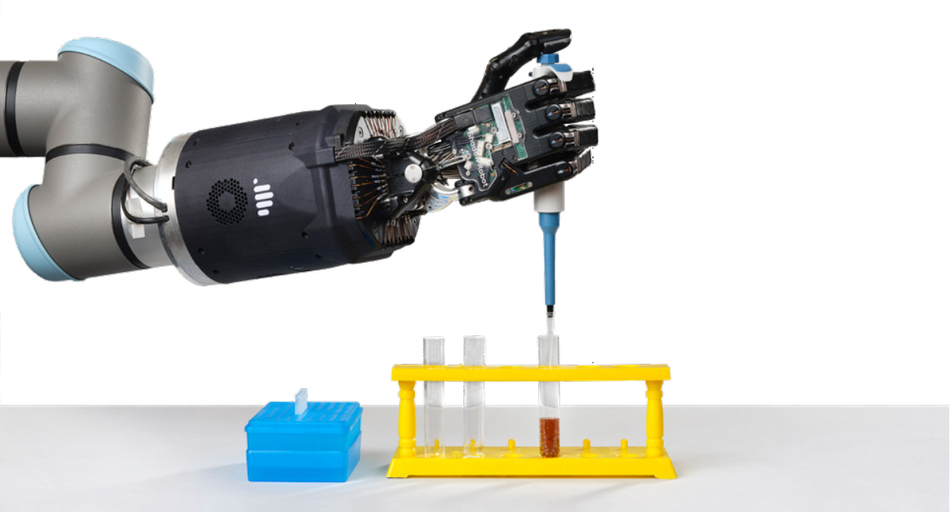
One of Shadow’s most significant collaborations combined the expertise of Pfizer to address vaccine handling in sterile isolators. Conventional robotic tools struggled with the subtle manipulation tasks required in aseptic processes. Shadow introduced dexterous hands and haptic telerobotics to evaluate whether human-like manipulation could maintain sterility while performing delicate tasks.
The approach relied on iterative feasibility studies, with each cycle refining both the technical
design and the understanding of compliance requirements. Workshops and open roadmapping
sessions aligned engineers, regulators, and clinical stakeholders around the practicalities of what could be achieved. The project demonstrated that dexterous platforms could expand possibilities for automation in pharmaceutical environments where conventional systems fell short. The project also gained recognition through Innovate UK as an example of regulated innovation.
Pharmaceutical Process Automation
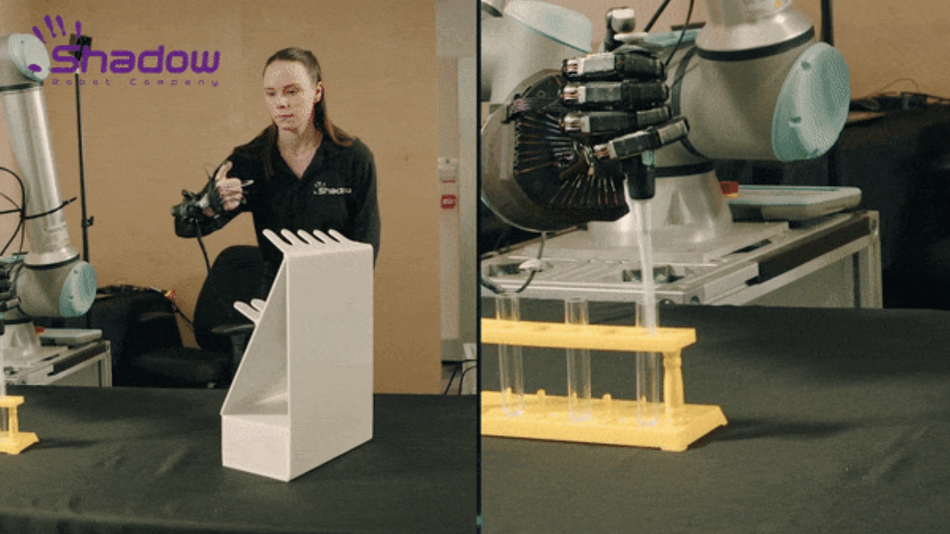
Shadow has also supported pharmaceutical partners exploring how to automate repetitive, labor-intensive tasks. These projects began with process mapping: identifying which activities could realistically be delegated to robotic systems without compromising quality or compliance. Shadow then developed proof-of-concept platforms to test these assumptions.
In one case, the prototypes revealed barriers that would prevent near-term deployment. However, even when this project did not advance, the process delivered clarity. It showed where automation could add value, and where human expertise remained essential. This engagement highlighted Shadow’s role as a hardware provider and engineering partner, capable of delivering insights that shape long-term automation strategies.
Lessons in Healthcare Robotics
Across both large-scale collaborations and exploratory proofs of concept, Shadow’s healthcare work demonstrates a repeatable method: iterative feasibility, open workshops, and dexterity-first engineering. By clarifying what is possible, and what is not, Shadow enables healthcare and pharmaceutical organizations to pursue automation with confidence in both the technical and regulatory domains.
From Kitchens to Screens: Prototyping in Consumer and Media Robotics
Consumer and media robotics are unique challenges for Shadow Robot because they must achieve technical credibility while also capturing the imagination of the public. Shadow has repeatedly shown that structured engagement and dexterity-first engineering can translate ambitious ideas into prototypes that perform and persuade. The following two projects illustrate this balance.
Prototyping a Kitchen Robot
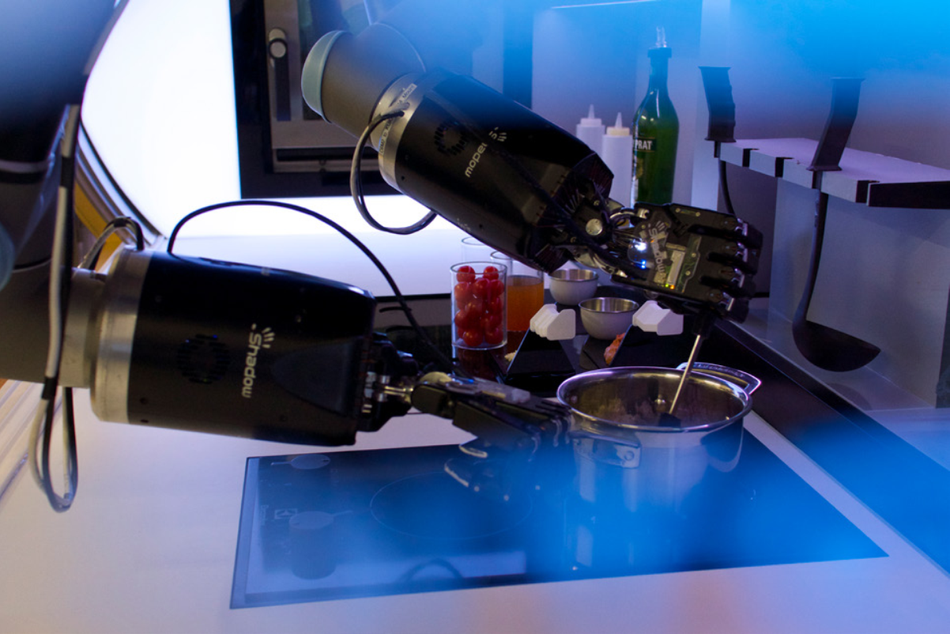
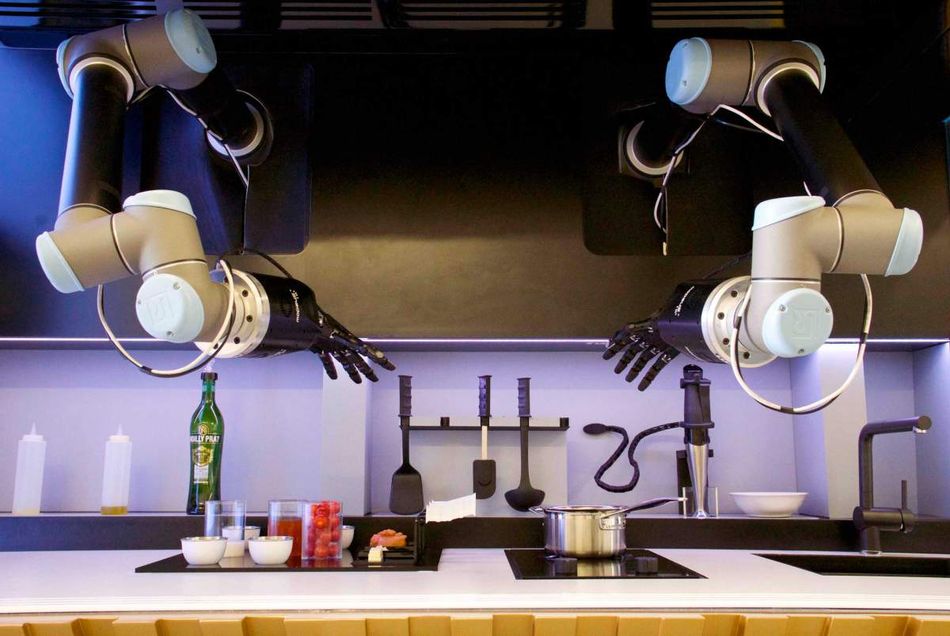
A kitchen automation startup approached Shadow with the ambitious goal of creating a robotic
chef. The problem was highly technical, and even more critically, important to the reputation of the company. The system had to convince chefs, investors, and the public.
Shadow collaborated with a master chef and a kitchen designer, and quickly moved from a contract in September to a working demo by February. The prototype could prepare a specific meal and was showcased at Hannover Messe and CES Asia, where it drew investor interest and impressed real chefs with its reliability.
The speed of development built trust among stakeholders and turned what could have been a
one-off demo into a multi-year initiative. The project demonstrates how rapid prototyping, credible demonstrations, and clear stakeholder alignment can create momentum beyond the initial proof-of-concept phase.
The Bionic Man Project
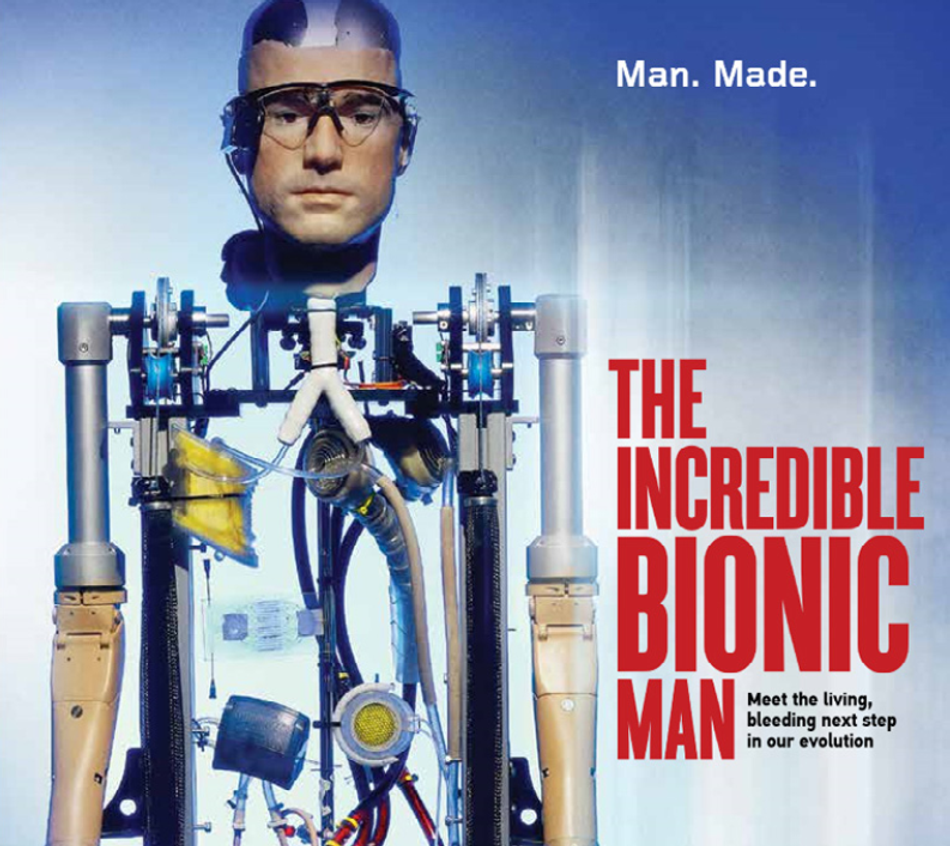
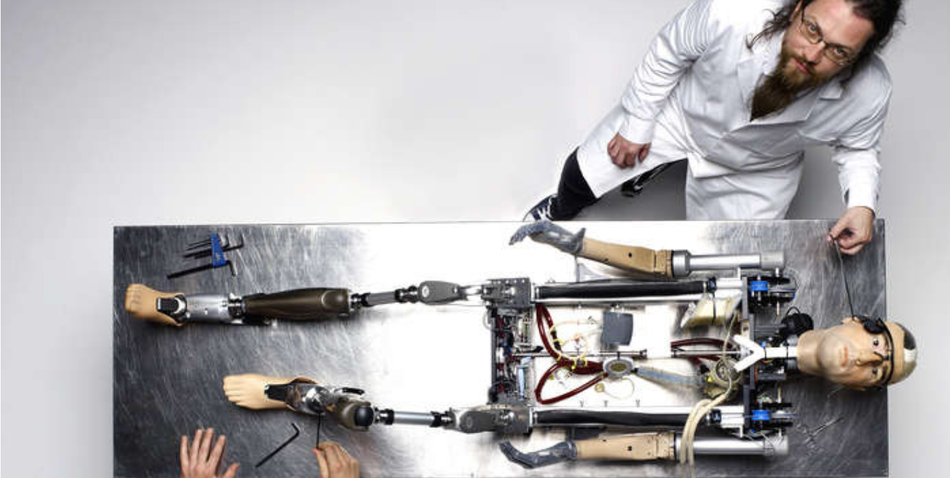
In the media domain, a production company asked Shadow to design human-like robotic body parts for documentary filmmaking. The challenge required both advanced hardware and cross-disciplinary collaboration to make sure that the robots would function and resonate with mass audiences. Through collaborative problem-mapping and iterative prototyping, Shadow delivered lifelike robotic components that became central to the documentary How to Build a Bionic Man.
This project highlights Shadow’s ability to combine engineering credibility with public engagement. It also shows the importance of roadmaps that emerge during proof-of-concept phases and the alignment of creative vision with technical feasibility.
Lessons Across Consumer and Media Robotics
These ventures show that Shadow’s structured approach enables projects that exist at the
intersection of entertainment and engineering. By moving quickly from concept to tangible
demonstration, Shadow helps partners build confidence with investors, audiences, and internal
stakeholders. Consumer and media projects may differ from regulated or industrial domains, but they have the same core principle: dexterous robotics succeed when technical credibility is matched by collaborative vision.
Research Partnerships That Evolve into Breakthroughs
Some of Shadow’s most transformative work is the result of long-term research partnerships that evolve over years and merge academic curiosity with enterprise-scale ambition. These projects require very close collaboration, adaptable engagement, deep trust, and the ability to
co-discover problems and solutions as they unfold.
ANA Avatar XPrize: Tactile Telepresence
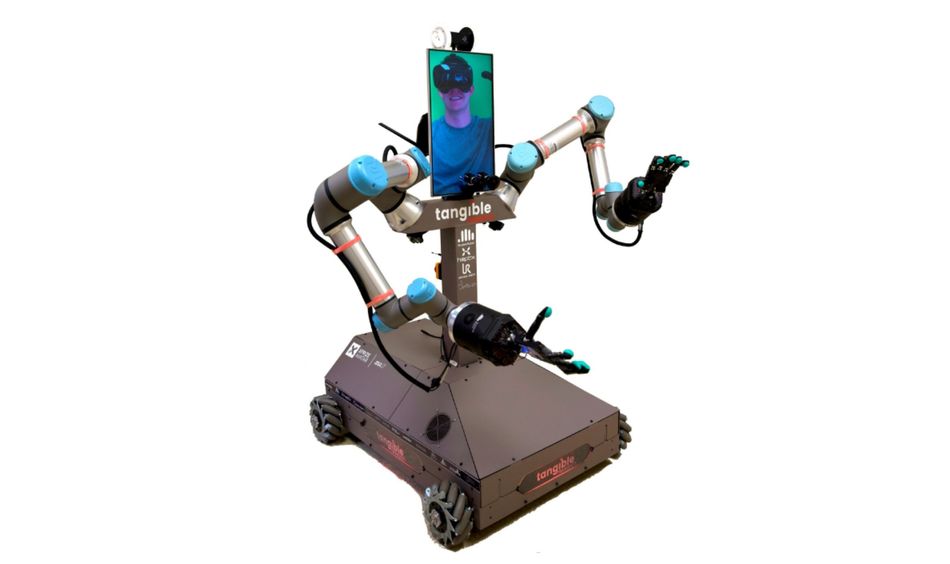
Shadow partnered with All Nippon Airways (ANA) in pursuit of an audacious goal: to enable tactile telepresence as an alternative to physical travel. The project required the integration of dexterous robotic hands with advanced sensors, haptic feedback gloves, and real-time control
systems. Rapid iteration of hardware prototypes allowed stakeholders to experience the technology firsthand, including high-profile figures whose demonstrations sparked imagination and drew external funding.
The Avatar XPrize highlighted how credible proof-of-concept hardware can bridge the gap between visionary concepts and serious investment. By delivering a tangible demo with tactile telepresence, Shadow and its collaborators drew interest that extended beyond the competition and pointed toward new applications in accessibility, remote work, and global collaboration.
DeepMind DEX-EE: A New Class of Dexterous Robot
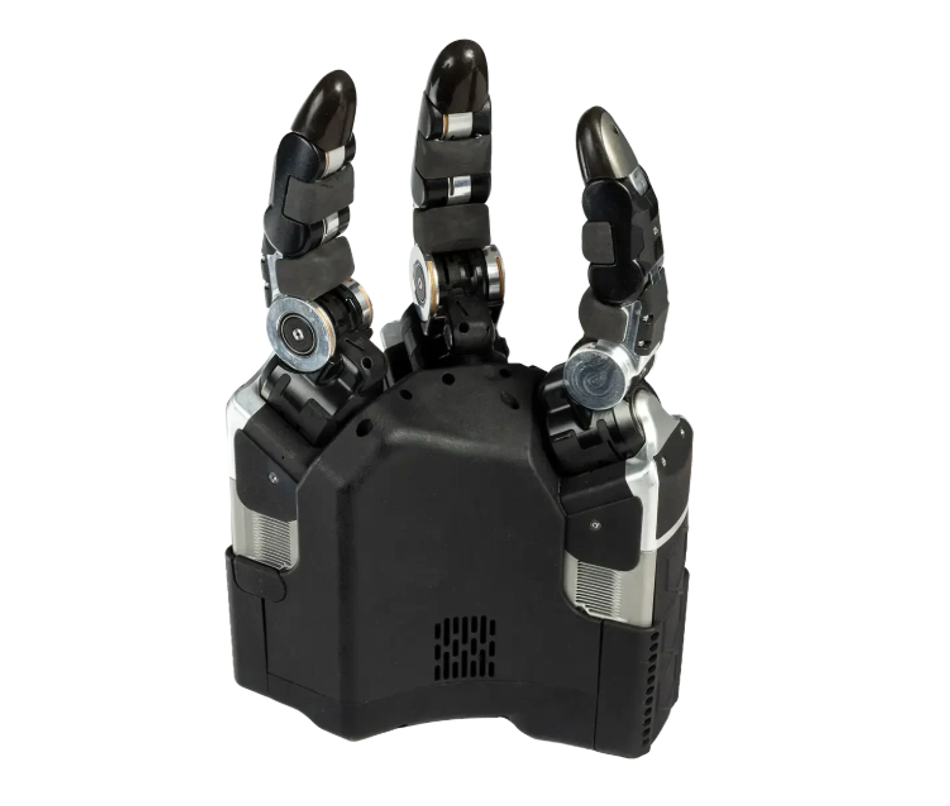
Shadow’s longest sustained research partnership was with Google DeepMind, which spanned 4.5 years and involved 8 to 10 deeply engaged collaborators. Instead of pre-defined requirements, DEX-EE began with open questions: What are the limits of dexterous control, and how can AI and hardware co-evolve to expand them?
The partnership required Shadow and DeepMind to co-discover problems and solutions, and to iterate on hardware and algorithms. Over time, this agile, trust-centered process culminated in the creation of a new class of dexterous robot. The project advanced robotic manipulation and set a new benchmark for the possibilities of research-driven robotics.
Lessons in Long-Term Collaboration
These projects show how research partnerships differ from consumer or industrial engagements. They evolve unpredictably, require partners willing to adapt roadmaps in real time, and reward persistence with breakthroughs. Shadow’s role as a dexterity-first collaborator makes it a good partner for enterprises and research labs pursuing questions that stretch the field of robotics.
From Demonstrations to Breakthroughs: Lessons Across Domains
Shadow Robot’s case studies show how their engagement model can be adapted across very
different domains. Consumer and media projects emphasize rapid prototypes and public credibility, where both speed and impressive spectacle inspire both audiences and investors. In healthcare and pharmaceuticals, the focus shifts to compliance and precision, where iterations and clear process mapping bring innovation to high-stakes environments. In research partnerships, the timeline can stretch into years, and co-discovery and trust lead to breakthroughs for the field of dexterous robotics.
Across these domains, common threads emerge: Start with discovery, prove feasibility with tangible prototypes, and scale when the path is clear. Shadow Robot gives its partners clarity, confidence, and practical roadmaps, whether they seek to impress investors, meet regulations, or expand knowledge through research.
Future Roadmaps: Internal R&D and External Collaboration
Shadow Robot invests heavily in internal research as a direct extension of its partnerships. The
company keeps innovation in dexterous robots tightly coupled to real-world challenges so that each research project builds towards solutions that partners will actually need.
The Robot Dexterity program, focused on next-generation dexterous hands, is one example of this approach. The program draws directly from the use cases that have surfaced from Shadow’s external collaborations. Practical needs identified in healthcare, consumer robotics, and long-term research inform design, performance requirements, and development priorities. This method of use case sourcing keeps research from drifting into novelty for its own sake and instead grounds the project in real-world opportunities.
The result of this process is a symbiotic relationship between external and internal work. Lessons from partnerships spark internal research, which in turn leads to new collaboration opportunities. This means that Shadow stays on the cutting edge while solving real and practical challenges. The alignment of R&D with commercial interests is Shadow’s strength: advancing robotic dexterity by bridging vision and possibility.
From Discovery to Scale: Shadow’s Engagement Pipeline
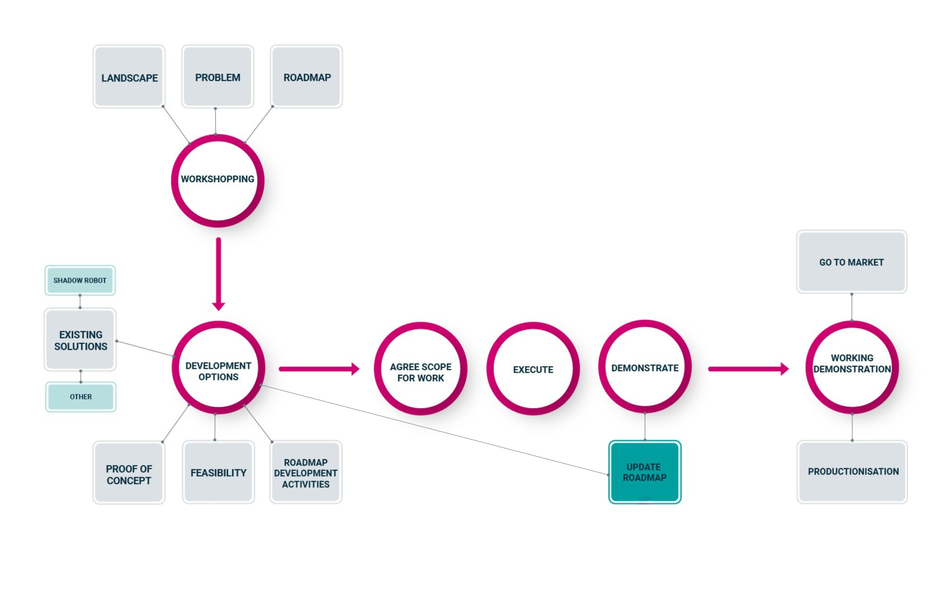
Collaborations with Shadow follow a clear, repeatable process designed to reduce risk and accelerate progress. Each opportunity is assessed for innovation potential, readiness, and scalability. Early conversations are informal interviews that clarify the problem and set expectations. From there, projects move through structured stages: discovery workshops that align stakeholders, optioneering to evaluate approaches, proof-of-concept builds that test feasibility, and hardware or application development that leads to scale-up planning and handover. At each step, financial mapping and technical roadmaps keep projects grounded and transparent.
Shadow’s engineering breakthroughs are a combination of technical mastery and trusted
collaboration around dexterity-driven challenges. The company demonstrates how engagement, rapid prototyping, and honest fit assessments bring clarity and drive innovation. Many partnerships begin with a simple conversation, and whether the outcome is direct collaboration, a referral, or long-term research, Shadow’s goal is the same: to align vision with possibility.
How to Get Started?
Engagement with Shadow Robot often begins with a simple conversation to clarify challenges and explore whether dexterous robotics can add value. For organizations considering collaboration, there are several ways to contact Shadow:
• Initial Discussion – Arrange a free, informal call to outline your technical requirements, share goals, and learn how Shadow approaches early-stage problem mapping.
• Discovery Workshop – Join Shadow’s engineers at their R&D Centre in North London to see
hands-on prototyping and technical discussion.
• Explore Further – Learn more about Shadow’s engagement process, capabilities, and ongoing
projects at shadowrobot.com.
Shadow Robot looks forward to new partnerships and collaborating with engineering innovators
ready to take on the next challenge in robotic dexterity.
Drop the Shadow Robot team a line at contact@shadowrobot.com to talk to us about how we can help, or fill out our Contact Form.