TCT Asia 2026
Key Highlights and Industry Takeaways from Shanghai

13 May, 2026. 4 minutes read
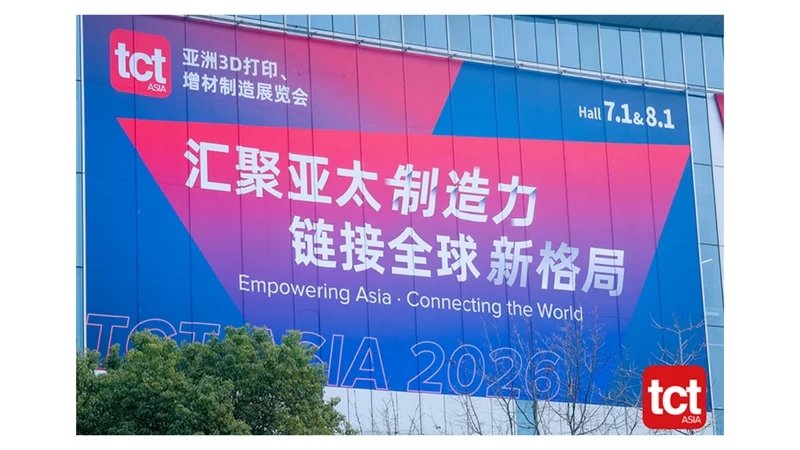
The 2026 edition of TCT Asia, Asia’s largest gathering for additive manufacturing and industrial 3D printing, took place from 17–19 March 2026 at the National Exhibition and Convention Center in Shanghai. This year’s event was one of the most expansive in its history, featuring over 550 exhibitors spread across more than 55,000 square meters of exhibition space in Halls 7.1 and 8.1. Read on for key highlights from TCT Asia 2026 and what they reveal about the direction of additive manufacturing in the Asia-Pacific region.
Scale and International Reach
TCT Asia 2026 reflected the diversity of the additive manufacturing ecosystem, with participants ranging from hardware OEMs to software developers, materials specialists, and post-processing solution providers. Hall 7.1 was largely dedicated to metal AM solutions, including powder bed fusion systems, large-format platforms, and integrated production cells, whereas Hall 8.1 focused on polymer AM, desktop 3D printing systems, scanning and inspection tools, and emerging digital platforms. This dual-hall arrangement streamlined attendance by technology focus.
International engagement was evident both in the exhibitor mix and the professional attendance. Exhibitors came from various countries, and the show was supported by a series of forums and stages where global industry voices shared insights. This international reach speaks to the Asia-Pacific region’s role in global manufacturing.
A Clear Shift Toward Production-Ready Solutions
In previous years, much of the conversation around AM centered on prototyping and design exploration. At TCT Asia 2026, the narrative shifted toward production-ready AM solutions, industrial deployment, process reliability, and integrated workflows. Metal additive manufacturing occupied substantial floor space, with several large exhibitors demonstrating equipment and systems designed for end-use part production and high-throughput environments.
Exhibits were oriented toward real-world manufacturing integration. Large-format machines with significant build volumes were on display. Integrated automation cells that combine several printers with material handling and post-processing also indicated that additive manufacturing is moving toward factory-ready production environments. The emphasis on robust, scalable solutions was one of the most visible themes throughout the show.
Materials, Ecosystems, and Vertical Integration
The exhibition floor reflected the full span of the additive manufacturing value chain, including polymer and metal materials, post-processing systems, inspection equipment, and digital workflow tools. This breadth indicates how suppliers across different segments are positioning their solutions within a more connected production environment rather than as stand-alone technologies.
Several companies used the event to formalize partnerships and service alliances, indicating closer coordination between different parts of the ecosystem. These collaborations suggest an effort to align materials, machines, and services with the requirements of industrial users.
Moreover, the interaction between machine OEMs, material producers, and service providers pointed toward tighter alignment across the value chain. Rather than operating independently, stakeholders are coordinating system capabilities, material portfolios, and downstream services to streamline qualification and deployment.
Knowledge Platforms: Forums, Summits, and Case Studies
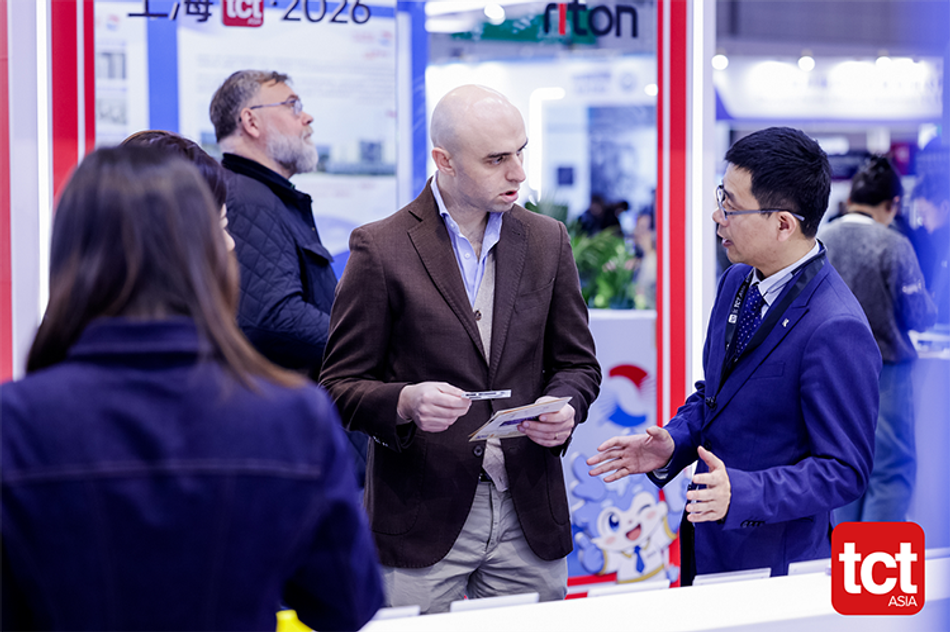
TCT Asia 2026 also hosted a comprehensive program of forums, summits, and technical sessions, designed to complement the hands-on experience of the show floor with structured knowledge exchange. The TCT Asia Summit spanned multiple industry verticals, including automotive, aerospace, healthcare, consumer goods, mold and tooling, and architecture and design, each addressing practical deployment and sector-specific challenges.
Moreover, a suite of sessions under the Insight Stage Series covered strategic topics such as global AM trends, tooling strategies, and the adoption of digital workflows. Specialized forums like the LabTec Bio3D Forum focused on life science and biomaterials applications. These programs were a venue to engage with case studies that prioritized real-world applications over conceptual exploration, emphasizing lessons learned from implementation and qualification processes. Such information can be difficult to attain from catalogue materials alone.
On-the-Ground Energy and Industry Confidence
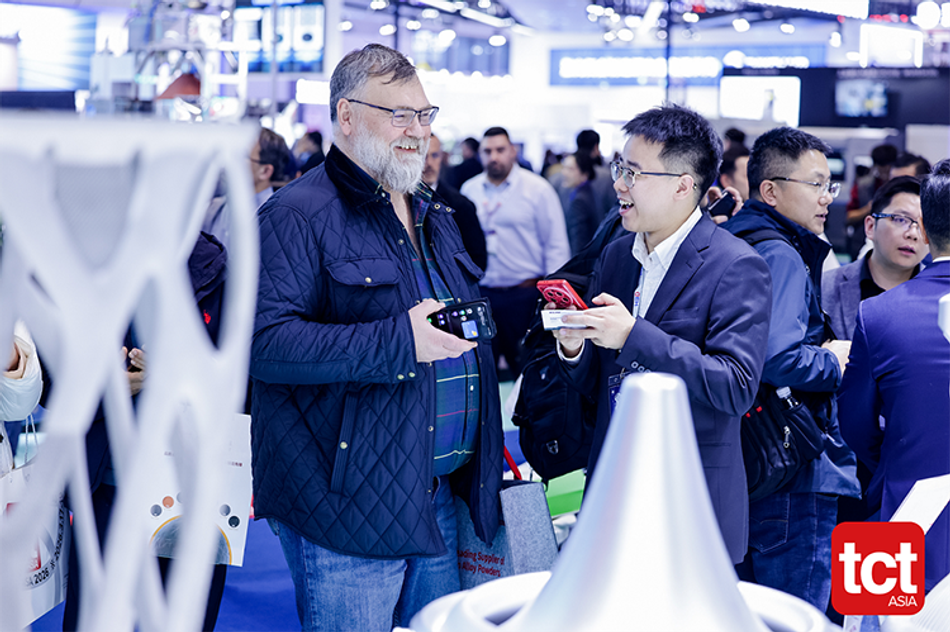
At TCT Asia 2026, large crowd gatherings around active demonstrations and productive engagement were visible at many booths as visitors interacted with exhibitors. The event’s atmosphere combined serious technical interest with enthusiasm.
The strong attendance by procurement teams and manufacturing leaders suggests that additive manufacturing is being evaluated as a central technology for production planning. This trend aligns with recent industry analysis showing that a high proportion of trade visitors attend TCT Asia with active purchasing intentions or implementation responsibilities.
Key Takeaways for the Asia-Pacific AM Landscape
Reflecting on TCT Asia 2026, several conclusions can be drawn about the state of additive manufacturing in the Asia-Pacific region.
First, industrialization is accelerating. Metal additive manufacturing, supported by automated production cells and systems designed for high throughput, is not confined to niche applications anymore. Machines exhibited this year are built with factory integration in mind.
Second, regional manufacturing capacity is broadening, moving beyond simple prototyping and experimentation to include high-value end-use parts across industries.
Third, ecosystem coordination is strengthening. Materials suppliers, machine OEMs, software providers, and service partners are aligning their offerings to create cohesive solutions that address process reliability, quality assurance, and integration with conventional manufacturing systems.
Finally, TCT Asia’s role as a regional convergence platform was further reinforced by the event’s depth and scale. Its ability to draw diverse international participation, host detailed technical discourse, and serve as an arena for real-world demonstrations shows its relevance to the global additive manufacturing community. To find out more about TCT Asia 2026, visit their website.
References
TCT Asia Summit. [Online] Available at: https://en.tctasia.cn/asiasummit/ (Accessed on 24 April 2026)
Chikai Eto (2026). TCT Asia 2026 Field Report Part 1: Inside Shanghai’s AM Show. [Online] AM Insight Asia. Available at: https://aminsightasia.com/events/tct-asia-2026-report-part1/ (Accessed on 24 April 2026)