From Footwear to AI Cooling
Key Takeaways from Formnext Asia Shenzhen 2026

13 Nov, 2026. 5 minutes read
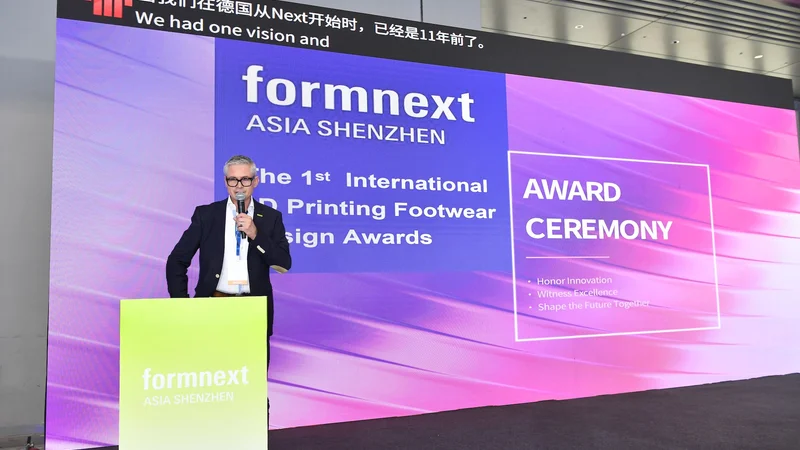
Formnext Asia Shenzhen 2026 brought the additive manufacturing community together in one of China’s most important advanced-manufacturing hubs, highlighting how 3D printing is expanding beyond conventional prototyping and into increasingly diverse production applications.
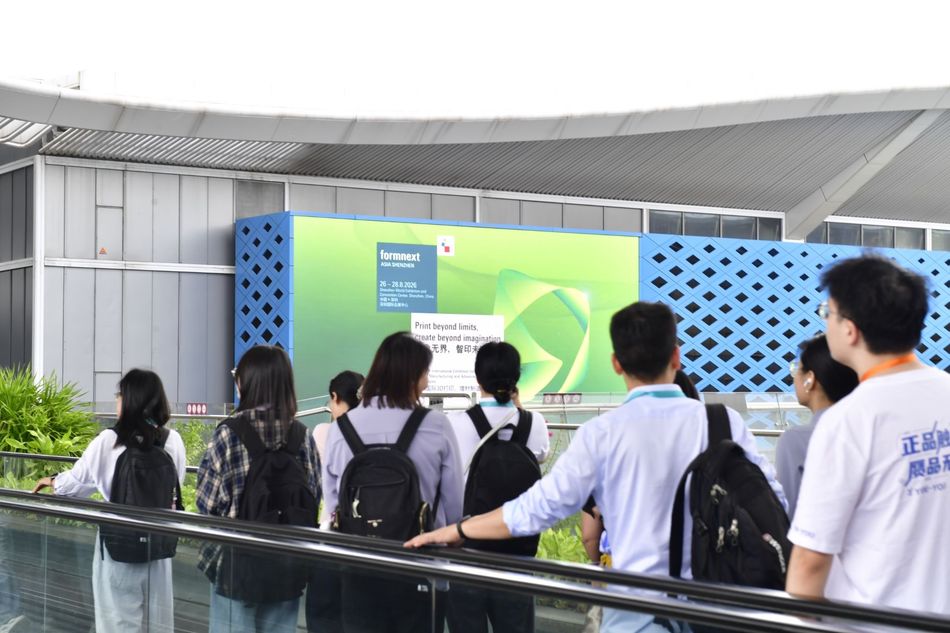
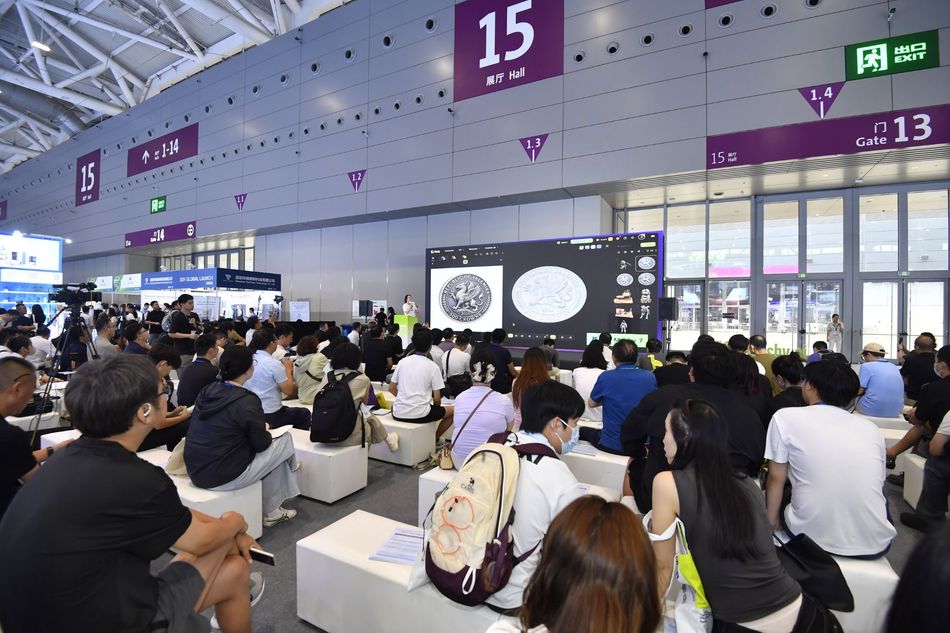
Held from 26–28 August 2026 at the Shenzhen World Exhibition & Convention Center, the event attracted 34,202 visitors, representing a 65% increase from 2025. International attendance rose by 157%, while 330 exhibitors occupied 20,000 square metres of exhibition space.
The exhibition covered the wider additive manufacturing process chain, including printing systems, materials, software, inspection technologies, post-processing equipment and production services. Among the strongest themes emerging from the show were 3D-printed footwear, AI-assisted 3D modelling, thermal management for AI infrastructure, and increasingly specialised industrial hardware.
3D-Printed Footwear Moves Further into Production
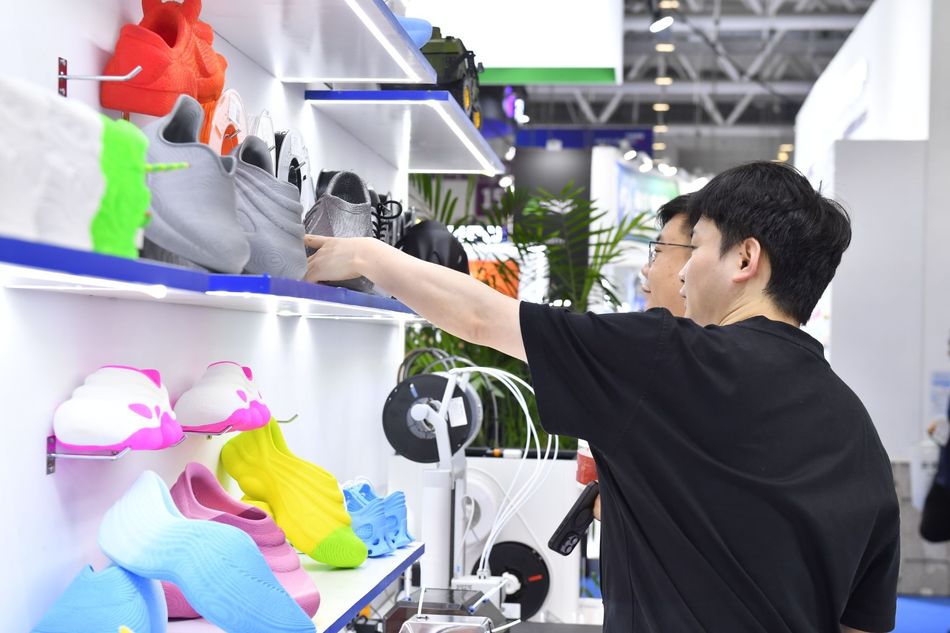
Footwear was one of the most visible and compelling application areas at this year’s exhibition. Additive manufacturing is creating new possibilities for footwear design, enabling complex sole structures, lattice geometries, and lightweight, flexible, customized components. By moving beyond traditional manufacturing constraints, 3D printing allows brands to experiment with innovative designs, enhance comfort and performance, and tailor products to individual needs. Additionally, it offers significant potential to streamline production by reducing assembly steps, minimizing material waste, and supporting localized, on-demand manufacturing.
The sector's importance was reflected in the launch of the first International 3D Printed Footwear Design Awards. According to AM Insight Asia’s post-show field report, the competition attracted more than 100 entries and presented 30 awards covering design, brands, manufacturing equipment and materials.
The event also included an Advanced 3D Printing Technology & Application Forum for the Footwear Industry, giving footwear a dedicated place within the conference programme.
Across the exhibition, footwear applications demonstrated the breadth of available polymer technologies. DLP/LCD, MJF/SLS and extrusion-based processes were among the technologies represented within the footwear ecosystem, while specialised flexible materials continued to broaden possibilities for digitally manufactured shoe components. Independent post-show coverage also described 3D-printed footwear as being visible throughout the venue.
Rather than serving solely as visually striking demonstrations, these applications showed how additive manufacturing is increasingly being considered for repeatability, personalisation, and scalable production.
AI Enters the 3D Design Workflow
Artificial intelligence was another key part of the event, particularly in consumer and desktop additive manufacturing.
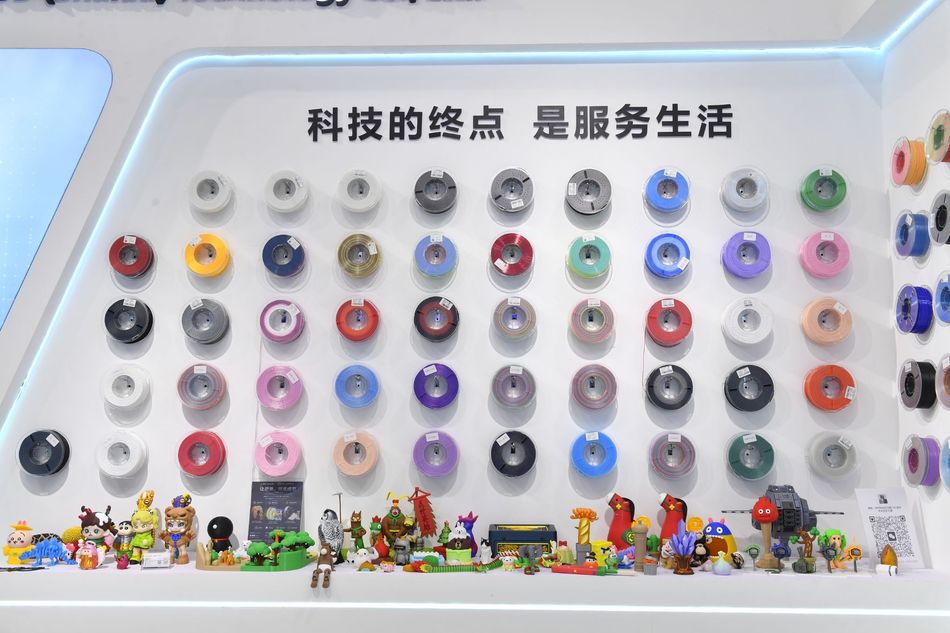
The expanded China 3D Print Farm and Consumer-Grade AM Ecosystem Conference included AI-assisted design and content generation among its areas of focus. Participating software companies included Meshy AI, Tripo AI, Deep-Mesh and Hi3D, alongside other companies working across AI-driven 3D content creation.
These AI-powered software tools are designed to simplify and connect the entire workflow—from initial concept generation, sketches, images, or design requirements to 3D modeling, print preparation, and final production. By significantly shortening the design cycle and lowering technical barriers for complex geometries, AI enables designers and engineers to explore more iterations in less time. When paired with 3D printing, AI also supports generative design, lightweight structure optimization, and the creation of components engineered for specific performance needs.
The event’s official show coverage reported that Meshy 6 could complete detailed modelling in approximately 20–30 seconds, with texture mapping following in about one minute. It also highlighted Tripo AI’s Tripo P1.0 as capable of producing professional-grade 3D assets in under two seconds.
This development has implications beyond simply speeding up modelling. Reducing the specialist knowledge and time required to generate 3D content could make customised manufacturing more accessible while creating a more direct workflow between an idea, its digital representation and the final printed object.
While considerations around output quality, technical validation, and integration with legacy software remain important, AI holds strong potential to become a major driver of productivity and innovation across the additive manufacturing industry. The exhibition clearly demonstrated an increasingly close relationship between AI-assisted design and 3D printing, with software becoming as essential to workflow efficiency as hardware advancements.
Additive Manufacturing Meets AI’s Cooling Challenge
AI also featured at Formnext Shenzhen in a very different context: the physical infrastructure required to support high-performance computing.
Thermal management and liquid cooling were prominent subjects within the 2026 programme. Organisers specifically identified AI data-centre cooling as an important emerging application for additive manufacturing, noting that increasing chip densities are pushing beyond the capabilities of conventional air cooling.
Additive manufacturing is particularly relevant because it lets engineers produce complex internal cooling channels and geometries that are difficult or impractical to manufacture with conventional machining.
The event therefore included a dedicated Thermal Management and Liquid Cooling AM Forum, placing the application alongside other targeted topics such as robotics, aerospace, footwear and electronics.
Addireen provided a practical example on the exhibition floor. Independent event coverage documented copper cold plates for AI servers at the company’s booth, illustrating how metal additive manufacturing can be applied to components designed for high-performance thermal management.
Copper is particularly relevant to this application because of its thermal conductivity, while additive manufacturing provides the design freedom required to develop sophisticated cooling structures within compact components.
Industrial Hardware Continues to Diversify
Alongside application-focused developments, the show demonstrated the continued expansion of industrial AM hardware.
The exhibitor portfolio covered metal, polymer and ceramic additive manufacturing, supported by companies specialising in materials, software and related production technologies. The official exhibitor overview listed companies such as Addireen, Farsoon, HP, and ZRapid in metal AM; Prismlab, UnionTech, and Raise3D in polymer technologies; and Prismlab, Cera EPI, Naone, and Uprise, among others, in ceramic additive manufacturing.
The exhibition’s breadth matters because additive manufacturing is no longer a single technology category. Different materials and processes are increasingly being adapted to highly specific industrial requirements, from consumer products to electronics, aerospace components and thermal-management systems.
The wider event programme supported this diversification, with dedicated discussions on binder jetting, laser additive manufacturing, mould making, commercial aviation, robotics, and 3C electronics..
From Technology Showcase to Application Platform
One of the clearest takeaways from Formnext Asia Shenzhen 2026 was that the conversation around additive manufacturing is shifting from what 3D printers can technically produce toward where those capabilities can deliver practical value.
Footwear demonstrated the growing connection between AM and consumer-product manufacturing. AI-powered modelling showed how digital workflows can reduce barriers to creating printable content. Thermal-management applications showed how additive manufacturing could support the infrastructure behind the AI computing boom. Meanwhile, advances across metal, polymer and ceramic systems continued to broaden the range of potential industrial applications.
The event’s record attendance further illustrates the growing interest surrounding these technologies. With 34,202 visitors from China, across Asia, and from other international markets, Formnext Asia Shenzhen provided a useful snapshot of an additive manufacturing sector becoming increasingly connected to mainstream industrial and consumer applications.
As these technologies continue to mature, future progress will likely depend not simply on faster printers, but on integrating materials, software, automation, application expertise, and production hardware into complete manufacturing workflows.
Formnext Asia Shenzhen will return in September 2027, hosted at Shenzhen World Exhibition & Convention Center (Shenzhen World).