Engineering Tomorrow with AI: Highlights from ATCx AI for Engineers 2025
Did you miss ATCx AI for Engineers 2025? Catch up on key insights, real-world AI use cases, and how the event showcased AI's growing role in transforming engineering workflows, design, and smart manufacturing.

30 Jul, 2025. 4 minutes read
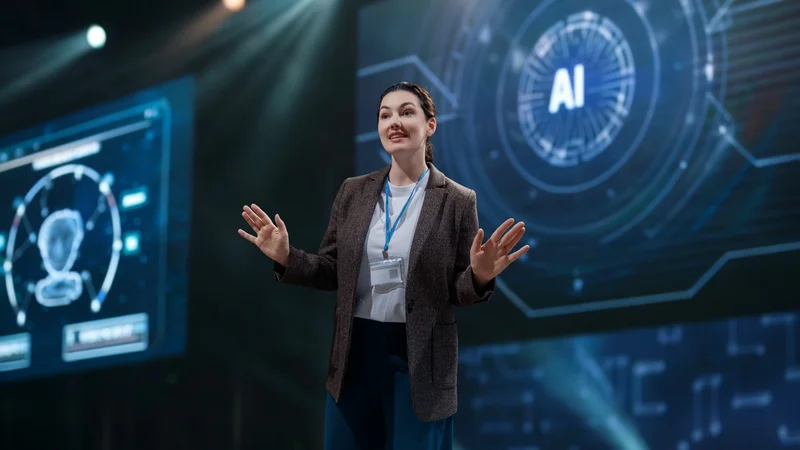
Altair’s ATCx AI for Engineers 2025 virtual event demonstrated how artificial intelligence is rapidly transforming the world of engineering. Bringing together global experts, engineers, innovators, and decision-makers, the event served as a focused platform to explore the practical integration of AI across engineering disciplines.
From insightful panel sessions to the unveiling of the "100 AI-Powered Engineering Use Cases," ATCx AI for Engineers 2025 highlighted real-world applications of AI in solving engineering challenges. Whether in improving design workflows, advancing smart manufacturing practices, or accelerating digital-first vehicle development, the event underscored a clear message: AI is becoming a foundational component in data-driven, modern engineering.
Unlocking Intelligence Across Engineering Domains
AI is no longer a futuristic concept for engineering; it is a foundational tool actively reshaping how engineers design, simulate, optimise, and deliver innovations. Throughout the event, speakers from across industries shared their experiences with applying AI in creative, efficient, and meaningful ways.
The conference featured sessions that explored the use of AI agents, digital-first product development, ethical AI implementation, and the evolving dynamic of human-machine collaboration. Each discussion emphasized how AI is being embedded within the engineering lifecycle—from early design stages to deployment.
A Landmark Resource: 100 AI-Powered Engineering Use Cases
A key highlight of the event was the release of the "100 AI-Powered Engineering Use Cases" resource—a diverse collection of real-world applications compiled by Altair. This compilation outlined how AI is being used across industries such as automotive, aerospace, consumer goods, energy, and healthcare.
From automating simulation tasks to applying machine learning for predictive maintenance, these use cases demonstrated how AI can be integrated into existing workflows. Engineers can explore examples relevant to their sectors and identify where AI can address specific design and development challenges.
Explore the full list here: 100 AI-Powered Engineering Use Cases.
Session Highlights: Innovation Meets Insight
1. AI Agents: Putting the “Smart” in Smart Factory
This session examined how AI agents are being used to enable real-time adaptability in manufacturing environments. Speakers discussed the use of digital twins and AI to develop systems that self-optimise through continuous learning. Key themes included reinforcement learning, intelligent scheduling, and predictive maintenance.
Attendees gained insights into how AI agents are evolving from support tools to autonomous systems capable of managing and enhancing smart factory operations.
2. Making an Impact with AI for Engineering
This session addressed the organisational and strategic applications of AI in engineering. Panellists highlighted examples where AI helped accelerate decision-making, improve resource efficiency, and support collaboration across teams.
The panel also stressed the value of incorporating AI early in the development process, showing how machine learning and generative design can result in more efficient and innovative products. AI’s contribution to sustainable engineering outcomes was another central theme.
3. What AI Has Taught Us About Engineering
This panel explored how AI can provide insights into traditional engineering methods by analysing design processes and outcomes. The speakers discussed how machine learning uncovers inefficiencies, biases, and areas for improvement.
Speakers discussed how AI reveals inefficiencies, identifies design patterns, and helps validate engineering approaches by analysing historical design data and outcomes.
4. Digital-First Thinking in Automotive Design at Lucid Motors
In this session, Lucid Motors detailed its digital-first approach to engineering electric vehicles. The panel covered how simulation, AI, and cloud-based platforms are used to optimise attributes like noise, vibration, and aerodynamics.
The discussion demonstrated how digital workflows are being adopted to complement physical testing and streamline product development.
Global Engagement, Local Relevance
ATCx AI for Engineers 2025 wasn’t just a high-level showcase of innovation—it was a globally accessible knowledge-sharing platform. Attendees praised the ease of virtual access, the diverse speaker lineup, and the chance to see advanced tools in action. With engineers tuning in from around the world, the event underscored that AI’s potential transcends geography and empowers professionals in small startups and large enterprises alike.
Feedback highlighted a demand for more hands-on demonstrations and in-depth guidance on implementation. The event’s structure supported active Q&A discussions, knowledge exchange, and networking that extended its value beyond just presentations.
The Path Forward: What’s Next for AI in Engineering?
As we reflect on the 2025 edition, several emerging trends point to the evolving role of AI in engineering:
AI is democratizing engineering intelligence. Tools are becoming more user-friendly, allowing even non-AI specialists to integrate machine learning into workflows.
Simulation and AI are converging. Engineers are increasingly using simulation data to train models, accelerating feedback and improving accuracy.
Domain knowledge remains essential. Successful AI applications combine engineering expertise with algorithmic insights.
Customisation and explainability are critical. Understanding how AI systems make decisions is key for trust, validation, and regulatory compliance
Access the Full Experience On-Demand
All sessions from ATCx AI for Engineers 2025 are available to stream on-demand. Explore use cases, demonstrations, and insights from leading industry experts.
Browse the ATCx AI for Engineers Resource Library
Conclusion: Engineering Meets Intelligence
ATCx AI for Engineers 2025 emphasised the practical integration of AI into engineering workflows. Through panels, case studies, and open discussions, the event provided a realistic view of how AI is influencing the design and development landscape.
Rather than presenting AI as a futuristic solution, the sessions focused on actionable insights and current applications. As engineers face increasingly complex challenges, AI is becoming a strategic tool that complements human expertise and supports innovation. To catch up on sessions or explore AI applications in your field, visit the ATCx AI for Engineers 2025 Resource Library.
References
Altair. 100 AI-Powered Engineering Use Cases. https://web.altair.com/ai-powered-engineering-use-cases
Altair. AI Agents: Putting the Smart in Smart Factory. https://altair.com/resource/ai-agents-putting-the-smart-in-smart-factory
Altair. Making an Impact with AI for Engineering. https://altair.com/resource/making-an-impact-with-ai-for-engineering
Altair. What AI Has Taught Us About Engineering. https://altair.com/resource/what-ai-has-taught-us-about-engineering
Altair. What Does it Mean to Be Digital-First in Vehicle Attribute Development at Lucid Motors. https://altair.com/resource/what-does-it-mean-to-be-digital-first-in-vehicle-attribute-development-at-lucid-motors
Altair. ATCx AI for Engineers 2025 Post-Event Landing Page. https://altair.com/atcx-ai-for-engineers